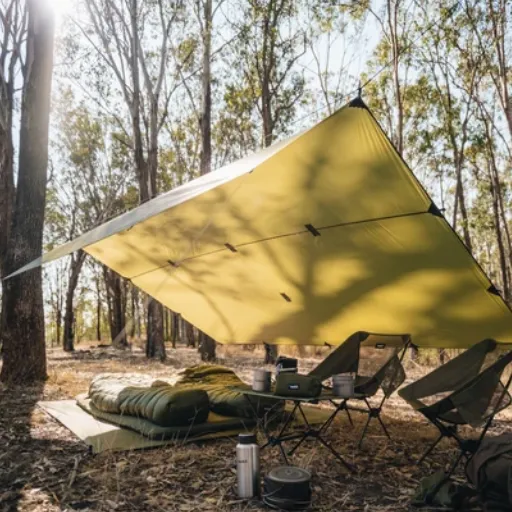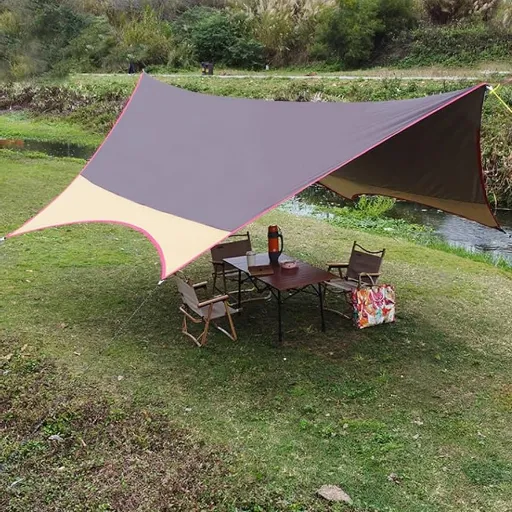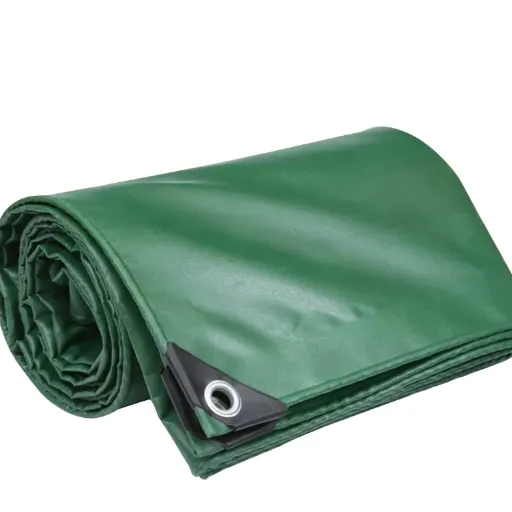
Heavy duty PVC tarpaulin is a high-performance coated fabric engineered for demanding applications that require waterproofing, UV resistance, and tensile strength exceeding 2,000 N per 5 cm. It outlasts standard polyethylene sheeting by three to five times and serves as the material of choice for truck curtains, construction covers, and industrial shelters across the globe.
A European logistics manager once ordered 480 truck side curtains from three suppliers. Every quote specified 900 GSM “heavy duty” PVC tarpaulin. Within twelve months, two suppliers delivered curtains with a 38% seam failure rate. The problem was not the weight. Coating adhesion and weave structure failed first, specifications that never appeared on the quote. This is the 900 GSM trap, and it costs procurement teams thousands every year.
You already know that not all tarpaulin performs equally. What you need is a clear framework for decoding specification sheets, matching ratings to real workloads, and asking suppliers questions that expose quality gaps before you sign a purchase order. In this guide, you will learn exactly how heavy duty PVC tarpaulin is built, which numbers matter beyond GSM, and how to calculate true cost per year instead of sticker price. Get in touch with Linyi Chenlai Plastic Products Co., Ltd. to discuss custom PVC tarpaulin specifications, colors, thickness options, and production requirements.
Key Takeaways
- Heavy duty PVC tarpaulin is defined by a performance profile, not just GSM weight; a well-engineered 650 GSM knife-coated Panama weave can outperform a poorly made 900 GSM laminated sheet.
- Tensile strength (DIN 53354 / ISO 1421), tear resistance (ISO 4674), and coating adhesion (ISO 2411) are the critical specifications that predict field durability.
- Construction and logistics account for roughly 77% of global demand, with agriculture and industrial storage making up the remainder.
- Over a six-year lifecycle, heavy duty PVC tarpaulin typically costs 40-60% less per year than heavy duty PE alternatives because it lasts 5-10 years versus 1-3 years.
- Always verify ISO 9001, REACH compliance, and flame-retardant certifications before bulk orders, and request sample welding tests to confirm seam integrity.
What Is Heavy Duty PVC Tarpaulin?
Heavy duty PVC tarpaulin is a high-performance coated fabric constructed from a woven polyester base, typically 1000D, with a knife-coated or laminated PVC layer. It is engineered to withstand tensile loads exceeding 2,000 N/5cm, tear forces above 300 N, and continuous outdoor exposure for 5 to 10 years. The material combines a flexible polymer matrix with a reinforcing textile grid, creating a sheet that resists water, UV degradation, abrasion, and chemical exposure.
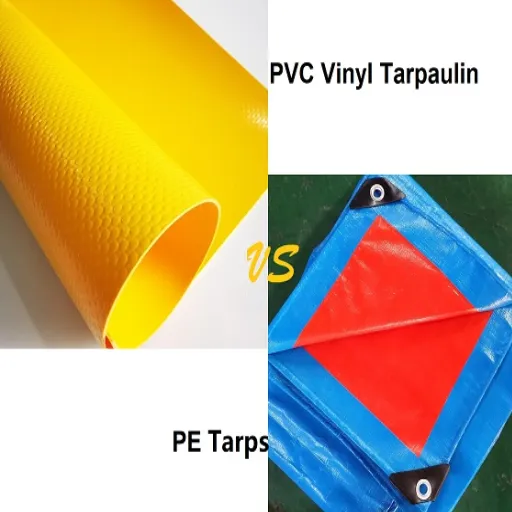
The term “heavy duty” describes a performance grade, while “PVC” identifies the material class. Many buyers confuse heavy-duty polyethylene sheeting with PVC tarpaulin because both are marketed with similar labels. PE sheeting is lighter, less expensive, and suitable for short-term coverage. PVC tarpaulin is heavier, more rigid, and built for continuous mechanical stress and long-term weather exposure. If your application involves wind load, repeated handling, or multi-year deployment, PVC is the appropriate choice.
Construction follows a layered model. A high-tenacity polyester base fabric provides the structural skeleton. Liquid PVC compound is applied to both sides, either by knife coating or lamination. Surface treatments such as UV inhibitors, plasticizers, and flame-retardant additives complete the finished product. Each layer contributes a specific property, and compromising any layer reduces overall performance.
When Marcus, a fleet manager based in Rotterdam, switched from 200 GSM PE truck covers to 750 GSM PVC side curtains, he expected better durability. What surprised him was the reduction in roadside repairs. PE covers tore at fastening points every three to four months. The PVC curtains showed no fraying after eighteen months, and fuel efficiency improved slightly because the stiffer material created less wind flap. Marcus now specifies knife-coated 750 GSM Panama weave with reinforced hems for his entire 120-truck fleet.Contact Linyi Chenlai Plastic Products Co., Ltd. to explore high-strength PVC tarpaulin solutions designed for demanding outdoor and industrial environments.
How Heavy Duty PVC Tarpaulin Is Constructed
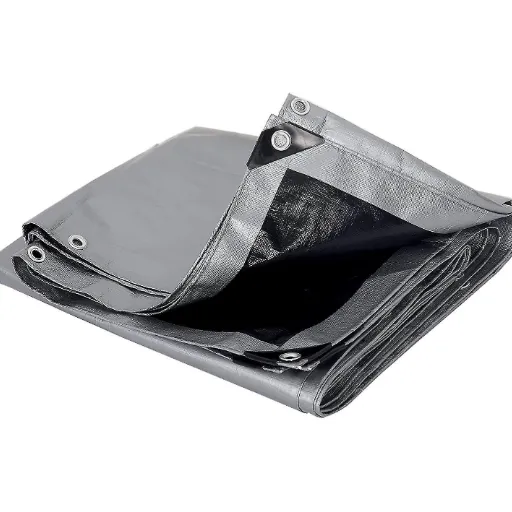
The Base Fabric: Why 1000D Polyester Matters
The foundation of every heavy duty PVC tarpaulin is the base fabric, and 1000D polyester is the industry standard for industrial grades. The “D” stands for denier, a unit measuring fiber thickness. A 1000D yarn is thick enough to resist abrasion and puncture while remaining flexible enough to roll and fold. Lower denier fabrics such as 500D reduce weight but sacrifice tear resistance. Higher deniers such as 1300D increase strength but add stiffness and cost.
Polyester is preferred over nylon for outdoor applications because it absorbs less moisture and resists UV-induced degradation. A dry base fabric maintains consistent tensile strength across humid and arid climates. Nylon, while strong, swells when wet and degrades faster under prolonged sun exposure.
Knife-Coated vs. Laminated PVC: Performance Difference
The coating method determines how PVC bonds to the base fabric, and this bond is often the first point of failure in the field.
Knife coating uses a doctor blade to spread liquid PVC paste directly onto the fabric. The material then passes through a curing oven at 180 to 200 degrees Celsius. The liquid penetrates the weave, creating a mechanical and chemical bond that is difficult to separate. Knife-coated tarpaulin offers superior adhesion strength, consistent thickness, and better performance in welded seams. It is the preferred method for truck curtains, tensioned structures, and any application where seam integrity is critical.
Lamination applies pre-formed PVC film to the base fabric using heat and adhesive pressure. This method is faster and less expensive. However, the bond relies on adhesive quality, and delamination can occur at stress points or under prolonged flexing. Laminated products work well for static covers and short-term applications but carry higher risk for dynamic loads and folding cycles.
Weave Patterns: Plain vs. Panama Weave
The weave pattern of the base fabric affects flexibility, tear propagation, and coating penetration.
Plain weave is a simple one-over, one-under pattern. It is economical and provides balanced strength in both directions. However, once a tear starts in a plain weave, it can travel easily along the yarn paths.
Panama weave, also called basket weave, groups yarns in pairs. This creates a more open structure that improves coating penetration and stops tear propagation more effectively. For heavy duty applications, Panama weave is generally the better investment because it resists the rips that start at grommets and fastening points.
Finishing Treatments: UV Inhibitors, Plasticizers, and Flame Retardants
Raw PVC is rigid and vulnerable to UV breakdown. Manufacturers add plasticizers to create flexibility and UV inhibitors to prevent brittleness. The quality of these additives varies significantly between suppliers. High-grade UV stabilizers can extend outdoor lifespan from two years to seven or more. Low-grade versions fade and crack within eighteen months.
Flame-retardant formulations meet safety standards such as B1 rating in Europe or NFPA 701 in North America. These are essential for construction sites, event structures, and any indoor application where fire codes apply. Always request certification documentation rather than trusting a supplier label.
Heavy Duty PVC Tarpaulin Specifications Explained
GSM and Thickness: What the Numbers Actually Mean
GSM stands for grams per square meter. It measures the total weight of the finished fabric including base cloth, coating, and surface treatments. Common ranges for heavy duty PVC tarpaulin are 550 GSM to 900 GSM. Thickness is typically measured in millimeters and correlates roughly with GSM, though the relationship is not linear because density varies by formulation.
A common misconception is that higher GSM always equals better quality. GSM indicates mass, not engineering integrity. A dense but poorly adhered coating adds weight without adding strength. The trap that caught the European logistics manager is real: two fabrics can share the same GSM while differing by 300% in seam durability.
Tensile Strength: The DIN 53354 / ISO 1421 Benchmark
Tensile strength measures how much force the fabric can withstand before breaking. DIN 53354 and ISO 1421 are the recognized test standards for coated fabrics. Heavy duty PVC tarpaulin should achieve 2,000 to 4,000 N/5cm in both warp and weft directions. Warp strength runs along the roll length; weft strength runs across it. Balanced values prevent directional failure under uneven loads.
When evaluating a specification sheet, look for test method references. A number without a standard is meaningless because testing conditions affect results significantly.
Tear Resistance: Why Trapezoidal Tear Tests Matter
Tensile strength tells you how much the fabric holds. Tear resistance tells you what happens once a cut or puncture occurs. A fabric with high tensile strength but low tear resistance can fail catastrophically from a small nick.
ISO 4674 and DIN 53363 specify trapezoidal tear testing. Heavy duty grades should exceed 300 N in tear resistance. This is especially important for truck curtains that brush against loading equipment and for construction covers exposed to wind-borne debris.
Coating Adhesion and Welded Seam Integrity
Coating adhesion measures the force required to separate the PVC layer from the base fabric. ISO 2411 is the standard reference method. Values above 50 N/5cm indicate strong bonding suitable for high-stress applications.
Welded seams are the most common failure point in the field. High-frequency (RF) welding or hot-air welding fuses overlapping sections into a continuous waterproof joint. Seam strength should reach at least 80% of the base fabric tensile strength. Always request a welded sample and perform a manual peel test before approving bulk production.
Waterproof Rating: Hydrostatic Pressure Standards
Waterproofing is measured by hydrostatic pressure, expressed in millimeters of water column or pounds per square inch. Quality heavy duty PVC tarpaulin achieves ratings above 10,000 mm water column, which is effectively waterproof for any terrestrial application including torrential rain and snow load.
PVC is inherently waterproof when intact. The weak points are seams, grommets, and punctures. Specifying reinforced hems, welded edges, and brass eyelets reduces these vulnerabilities.
Temperature Range and Cold-Crack Resistance
Standard PVC formulations remain flexible from minus 20 degrees Celsius to plus 70 degrees Celsius. Arctic-grade formulations with specialized plasticizers extend cold-crack resistance to minus 40 degrees. If your application involves winter transport, cold storage, or high-altitude deployment, specify cold-crack performance explicitly. A tarpaulin that shatters in freezing temperatures is worse than no cover at all.
Matching Specifications to Real-World Applications
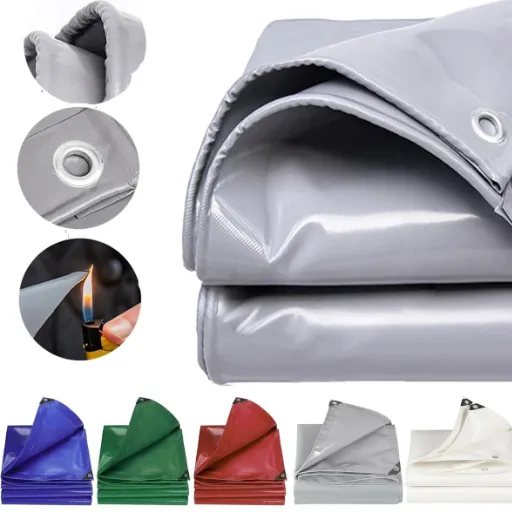
Truck Covers and Side Curtains
Transportation and logistics consume 35 to 40% of heavy duty PVC tarpaulin demand. Truck side curtains require 650 to 750 GSM knife-coated fabric with high tear resistance and excellent seam weldability. The material must resist constant flexing during loading and unloading, survive highway wind speeds, and maintain colorfastness for branding.
For flatbed truck covers, 750 to 900 GSM is typical because the material bears direct tension over the cargo. Specify reinforced hems every 50 centimeters and double-stitched or welded fastening points. Grommets should be brass or stainless steel to prevent rust streaking.
Construction Site Protection
Construction accounts for roughly 42% of global tarpaulin application demand. Building material covers, scaffolding enclosures, and debris netting all rely on PVC tarpaulin for weather protection and safety compliance.
For scaffolding enclosures, 550 to 650 GSM flame-retardant PVC is standard. The material must pass local fire codes while allowing some air permeability to reduce wind load. For material piles and equipment covers, 750 GSM with reinforced corners prevents abrasion damage from forklifts and steel edges.
Elena, a project manager in Warsaw, learned this distinction the hard way. She ordered 900 GSM standard PVC for a scaffolding windbreak, thinking heavier was better. The material caught wind like a sail, stressing the anchor points and causing a partial collapse during a storm. After consulting a manufacturer, she switched to 600 GSM perforated flame-retardant PVC with a lower wind-load profile. The lighter material performed better and cost 20% less.
Agriculture and Livestock Shelters
Agricultural applications require UV stability above all else. Standard PVC loses 30 to 50% of its tensile strength within two years of direct sun exposure. UV-stabilized formulations with titanium dioxide additives extend this to five to seven years.
Greenhouse covers typically use 600 to 750 GSM clear or translucent PVC to balance light transmission with durability. Livestock shelters and hay covers need 750 to 900 GSM opaque material with mildew-resistant treatments. For crop protection tunnels, 550 GSM is sufficient because the structure is supported by hoops rather than tensioned.
Industrial Storage and Equipment Covers
Industrial yards and port facilities use PVC tarpaulin for machinery covers, container liners, and temporary warehousing. These applications demand 750 to 900 GSM with chemical resistance and anti-static properties. Oil refineries and chemical plants often require specialized formulations that resist hydrocarbon exposure and meet ATEX safety standards.
Disaster Relief and Temporary Structures
Relief agencies prioritize rapid deployment and fire safety. Flame-retardant 550 to 650 GSM PVC is standard for emergency shelters because it balances portability with safety certification. Welded seam tents perform better than sewn seams in prolonged rain because needle holes create leak paths.
Heavy Duty PVC Tarpaulin vs. Alternatives: A Practical Comparison
Heavy Duty PVC vs. Heavy Duty PE Tarpaulin
Polyethylene tarpaulin is lighter and cheaper upfront. A 200 GSM PE sheet costs a fraction of a 750 GSM PVC cover. However, the comparison changes when viewed over time.
PE tarpaulin lasts one to three years in continuous outdoor use. UV degradation causes embrittlement and tearing. Wind flutter accelerates fatigue at fastening points. In a six-year period, a PE user may purchase three covers.
PVC tarpaulin lasts five to ten years with proper maintenance. The higher initial cost spreads across a longer service life, and the reduced replacement labor adds further savings. For a 10 by 12 meter cover, the total cost of ownership over six years typically favors PVC by 40 to 60%.
PVC vs. Canvas Tarpaulin
Canvas is breathable, eco-friendly, and aesthetically traditional. It is preferred for indoor applications, theatrical backdrops, and covers where condensation control matters. However, canvas is not inherently waterproof unless treated, and it rots when stored wet. It also lacks the tensile strength and chemical resistance of PVC for industrial use.
When PVC Is Worth the Premium
Choose heavy duty PVC tarpaulin when your application involves continuous outdoor exposure, mechanical stress, chemical contact, or regulatory requirements for flame retardance. Choose PE for short-term, low-budget, or single-season coverage. Choose canvas when breathability and natural materials take priority over weatherproofing and strength.
Linyi Chenlai Plastic Products Co., Ltd. specializes in producing weather-resistant PVC tarpaulins with excellent tear strength and reliable performance in challenging conditions.
How to Specify and Procure Heavy Duty PVC Tarpaulin
The Procurement Manager’s Checklist
Before requesting quotes, define your requirements in writing. A precise specification separates professional suppliers from resellers who cannot control quality. Include the following:
- GSM range and acceptable tolerance (plus or minus 5%)
- Tensile strength minimum in warp and weft (reference DIN 53354 or ISO 1421)
- Tear resistance minimum (reference ISO 4674)
- Coating adhesion minimum (reference ISO 2411)
- Hydrostatic pressure minimum (in millimeters water column)
- Temperature range, especially cold-crack limit
- Flame-retardant certification if required
- Color and surface finish (gloss, matte, lacquered)
- Expected lifespan under your specific climate conditions
Customization Options: Sizes, Colors, Grommets, and Reinforcement
One advantage of working directly with a manufacturer is access to full customization. Standard rolls are typically 1.5 to 3.2 meters wide and 50 to 100 meters long. Custom widths and cut-to-length orders reduce waste and seam count.
Colors can be matched to corporate branding or safety codes. Grommet spacing, reinforced corners, and hem styles are all adjustable. Some manufacturers offer logo printing via hot stamping or digital methods. Specify whether you need finished covers or roll goods for in-house fabrication.
Certifications to Verify
ISO 9001 certification indicates a documented quality management system. REACH compliance confirms the absence of restricted substances in EU-bound shipments. SGS or TUV test reports provide third-party validation of physical properties. For flame-retardant requirements, request B1, M2, or NFPA 701 certificates depending on your market.
Sample Testing: What to Evaluate Before Bulk Order
Always order production samples before committing to bulk. Test the sample for flexibility at low temperatures by placing it in a freezer overnight. Perform a manual seam peel test. Check coating adhesion by attempting to separate the PVC from the base fabric at a cut edge. Expose a small section to direct sunlight for two weeks and compare color and flexibility against the unexposed material.
Maintenance and Maximizing Service Life
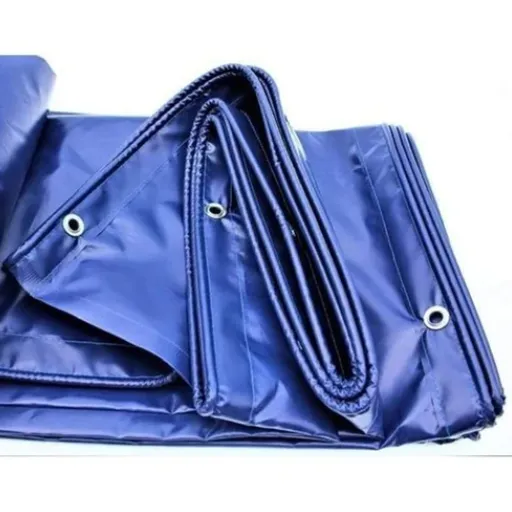
Proper maintenance can extend service life by 30 to 50%. Clean the surface every three to six months using mild soap and water. Avoid petroleum-based solvents and abrasive brushes that damage the topcoat. Rinse thoroughly to prevent soap residue from attracting dirt.
Store tarpaulins dry and folded loosely when not in use. Tight rolls stored in damp conditions encourage mildew growth on the base fabric. Inspect seams and fastening points before each deployment. Small tears should be repaired immediately with PVC patch kits or hot-air welding to prevent propagation.
Expected lifespan varies by application and climate. Truck curtains in temperate Europe typically last six to eight years. Greenhouse covers in high-UV equatorial regions may need replacement after four to five years even with UV stabilization. Construction covers in abrasive environments last three to five years depending on handling frequency.
Frequently Asked Questions
What GSM is considered heavy duty for PVC tarpaulin?
Heavy duty PVC tarpaulin generally starts at 550 GSM and extends to 900 GSM or higher. However, GSM alone does not define heavy duty status. A well-constructed 650 GSM knife-coated Panama weave with high tensile strength qualifies as heavy duty, while a poorly bonded 900 GSM laminated sheet may fail prematurely under load.
Is heavy duty PVC tarpaulin waterproof?
Yes. Quality heavy duty PVC tarpaulin achieves hydrostatic pressure ratings above 10,000 mm water column, making it effectively waterproof for all standard outdoor applications. The waterproofing relies on intact PVC coating and properly welded or sealed seams.
How long does heavy duty PVC tarpaulin last?
With proper maintenance, heavy duty PVC tarpaulin lasts five to ten years. Lifespan depends on UV exposure, mechanical stress, climate, and coating quality. UV-stabilized formulations in temperate climates reach the upper end of this range. Unstabilized products in tropical sun may degrade in two to three years.
Can heavy duty PVC tarpaulin be welded?
Yes. PVC tarpaulin is thermoplastic and welds efficiently using high-frequency (RF) welding, hot-air welding, or hot-wedge methods. Welded seams achieve 80% or more of base fabric strength and are superior to sewn seams for waterproofing because they eliminate needle holes.
What is the difference between coated and laminated PVC tarpaulin?
Knife coating applies liquid PVC directly to the base fabric and cures it, creating deep penetration and strong adhesion. Lamination bonds pre-formed PVC film to the fabric with heat and adhesive. Coated products offer better durability, seam strength, and longevity. Laminated products cost less but carry higher delamination risk under flexing and load.
Is heavy duty PVC tarpaulin UV resistant?
Standard PVC has limited natural UV resistance. Quality heavy duty grades include UV inhibitors and stabilizers that prevent brittleness and color fading. Always confirm UV stabilization with your supplier and request test data if your application involves continuous outdoor exposure.
What certifications should I look for?
Request ISO 9001 for quality management, REACH for chemical compliance in European markets, and SGS or TUV test reports for physical property verification. For flame-retardant applications, verify B1, M2, or NFPA 701 certification depending on regional requirements.
Conclusion
Heavy duty PVC tarpaulin is an engineering material, not a commodity. The difference between a reliable cover and a costly failure lies in specifications that many buyers overlook. GSM is a starting point, but tensile strength, tear resistance, coating adhesion, and seam integrity determine what happens after the first storm, the hundredth loading cycle, or the third year of sun exposure.
Start your procurement process with a written specification. Reference DIN and ISO standards. Request samples and test them. Calculate total cost of ownership over the expected service life rather than comparing roll prices alone.
At Linyi Chenlai Plastic Products Co., Ltd., we manufacture heavy duty PVC tarpaulin with knife-coated construction, 1000D polyester base fabric, and customizable finishes for trucking, construction, agriculture, and industrial applications. Our products are trusted by businesses in over 50 countries, and we deliver tailored solutions from specification to shipment.
Ready to protect your assets with precision-engineered tarpaulin? Contact our team today for a free sample, detailed quotation, or custom specification review.