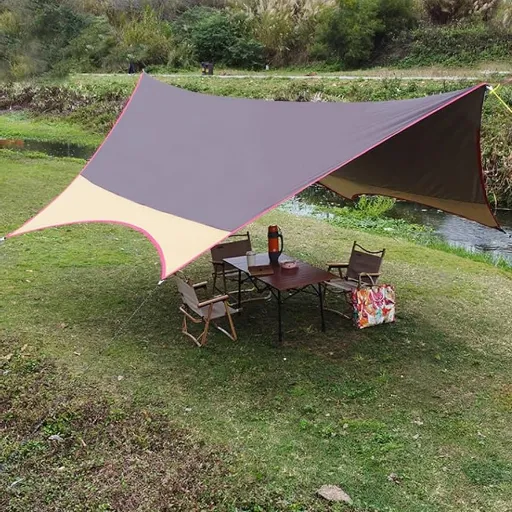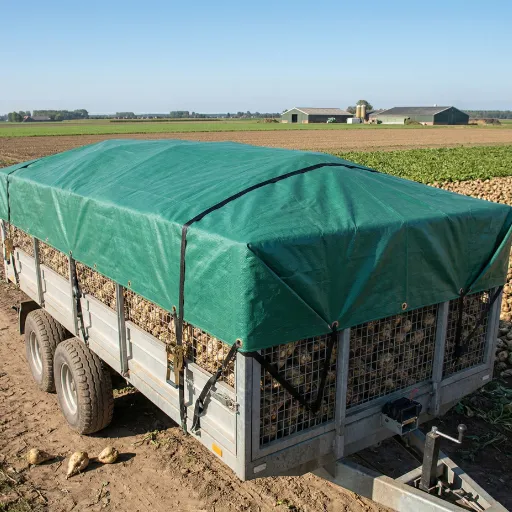
A custom agricultural tarpaulin is a made-to-order protective cover engineered to fit specific farm dimensions, materials, and weather conditions. Unlike off-the-shelf tarps, custom tarpaulins for farming are cut, reinforced, and finished to match exact coverage areas, from greenhouse roofs to hay storage stacks.
If you have ever wrestled with a tarpaulin that is six inches too short or watched wind rip a cheap cover off a haystack, you already know the real cost of “good enough.” For most agricultural operations, crop protection is not one-size-fits-all. This guide walks you through how to choose, specify, and order a custom agricultural tarpaulin that protects your assets season after season.
You will learn what separates a custom cover from a standard sheet, which material works best for your climate, the features that matter most on a working farm, and how to work with a manufacturer to get exactly what you need. By the end, you will know how to request a quote with confidence and avoid the most common ordering mistakes. Looking for a reliable custom tarpaulin manufacturer? Contact Linyi Chenlai Plastic Products Co., Ltd. today for tailored waterproof tarp solutions designed to meet your exact specifications.
Key Takeaways
- A custom agricultural tarpaulin is cut and finished to your exact dimensions, reducing waste and improving protection compared with standard sizes.
- Polyethylene (PE), PVC, and woven polypropylene (PP) each suit different farm uses, climates, and budgets.
- UV resistance, reinforced edges, rustproof grommets, and heat-sealed seams are essential for long-term outdoor performance.
- Ordering custom covers is straightforward when you provide accurate measurements, material choice, and finishing details.
- Proper care and storage can extend a farm tarpaulin’s service life by several years, lowering your total cost of ownership.
What Is a Custom Agricultural Tarpaulin?
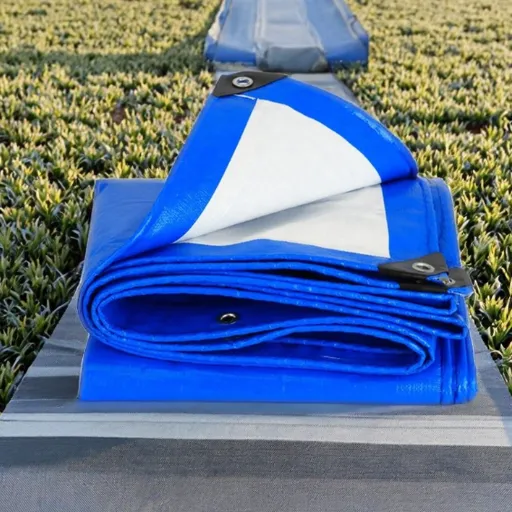
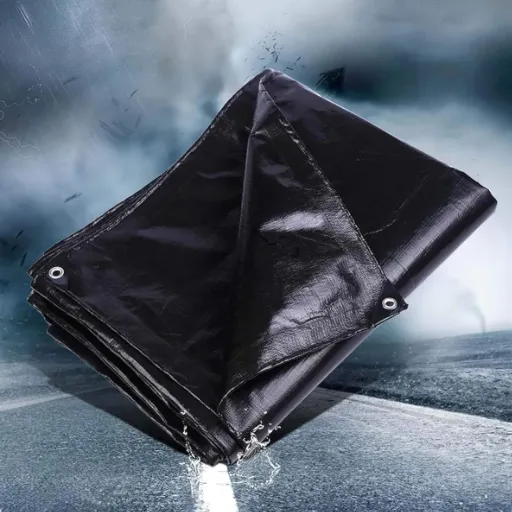
A custom agricultural tarpaulin is a flexible protective sheet designed and manufactured to meet the specific size, shape, material, and performance requirements of a farming application. Unlike mass-produced covers sold in fixed sizes, these tarpaulins are produced to order, allowing farmers to specify dimensions, color, grommet placement, edge reinforcement, and even branded printing.
Custom agricultural tarpaulin covers are commonly used to shield crops, equipment, livestock feed, and temporary structures from sun, rain, wind, dust, and temperature swings. They differ from standard tarpaulins in three important ways:
- Precision fit: Covers are cut to the exact length, width, and shape of the area or asset being protected.
- Material matching: Buyers choose the right weight, weave, and coating for their climate and use case.
- Reinforcement where needed: High-stress corners, edges, and fastening points receive extra layers or welded seams.
For example, a strawberry grower in California may need a lightweight, UV-resistant cover with reinforced grommets every meter. A cattle rancher in Alberta may need a heavy-duty, cold-flexible PVC roof cover with D-rings along the perimeter. Both are agricultural tarpaulins, but the specifications are very different. That is where customization delivers value.
At Linyi Chenlai Plastic Products Co., Ltd., we produce tarpaulin solutions for agriculture in a wide range of materials and finishes, with quality checks at every production stage.
Why Farms Choose Custom Tarpaulins Over Standard Sizes
Standard tarpaulins work for quick, short-term jobs. However, farms that rely on covers for production, storage, or animal welfare quickly run into the limits of one-size-fits-all products. Here is why more agricultural businesses are switching to custom tarpaulin for farming.
Precise Coverage and Less Waste
When a tarpaulin is too large, it billows in the wind, traps water, and tears at the corners. When it is too small, it leaves gaps that let in rain or sun. Custom sizing eliminates both problems. You order the exact dimensions you need, plus a small overlap for secure fastening. This reduces material waste and makes installation faster.
Better Fit for Irregular Structures
Greenhouses, livestock shelters, and silage pits rarely match the rectangular shapes of standard tarps. A custom agricultural tarpaulin can be cut to fit curved roofs, angled sidewalls, or multi-section covers. This is especially valuable for tarpaulin sheets used in structures where every inch of coverage counts.
Improved Durability in High-Stress Areas
Standard tarps are reinforced evenly, which is fine for light duty. On a farm, stress concentrates at corners, tie-down points, and seams. Custom manufacturing lets you add extra reinforcement exactly where it is needed, extending the life of the cover and reducing emergency replacements.
Branding and Identification
Large farms, cooperatives, and agricultural service companies often add logos, color coding, or serial numbers to their covers. Custom printing makes it easier to identify equipment, mark storage zones, and present a professional image to customers or visitors.
Mini-story: Maria Ortiz runs a 120-acre orchard in southern Spain. For years, she bought standard 6×8 meter tarpaulins to cover her late-harvest citrus during unexpected frosts. The covers never fit properly, and her crew spent hours tying extra sheets together. After switching to custom agricultural tarpaulin covers cut to her exact row widths, setup time dropped by 60%. More importantly, frost damage fell by nearly half because there were no exposed gaps.
Key Materials for Agricultural Tarpaulins
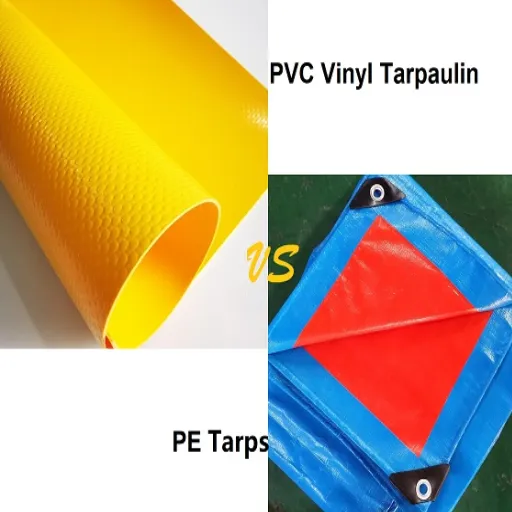
Choosing the right material is the most important decision when ordering a custom cover. The three most common options are polyethylene (PE), polyvinyl chloride (PVC), and woven polypropylene (PP). Each has strengths and trade-offs.
Polyethylene (PE) Tarpaulins
PE tarpaulins are lightweight, flexible, and cost-effective. They are made from woven polyethylene strands laminated with a polyethylene coating. For agriculture, PE is a popular choice for temporary crop covers, ground sheets, and lightweight storage covers.
Pros: Affordable, easy to handle, waterproof, available in many colors and weights.
Cons: Less durable than PVC in extreme conditions; typically lasts 1–3 years under heavy sun without UV stabilization.
PE is a strong option when you need a waterproof tarpaulin for agriculture on a budget and plan to replace covers seasonally.
PVC Tarpaulins
PVC tarpaulins are heavier, stronger, and more durable than PE. They resist tearing, abrasion, chemicals, and temperature extremes. This makes them ideal for livestock shelters, heavy-duty tarpaulin roofing, and long-term outdoor installations.
Pros: Long lifespan (5–10 years with proper care), excellent tear strength, weldable seams, fire-retardant options available.
Cons: Heavier and more expensive than PE; may require more people or equipment to install.
If your farm needs a permanent or semi-permanent cover, PVC is usually the better investment.
Woven Polypropylene (PP) Tarpaulins
PP woven tarpaulins are breathable, strong, and often used where moisture control matters. They are common for grain and hay storage because they allow some airflow while blocking rain and sun.
Pros: Breathable, mildew-resistant, strong for the weight, good for stacked goods.
Cons: Not fully waterproof like coated PE or PVC; lifespan varies widely by coating quality.
Material Comparison for Agriculture
| Material | Weight | Waterproofing | UV Resistance | Lifespan | Best For |
|---|---|---|---|---|---|
| PE | Light | Excellent | Good with UV coating | 1–3 years | Temporary crop covers, ground sheets |
| PVC | Heavy | Excellent | Excellent | 5–10 years | Roofing, shelters, long-term covers |
| PP Woven | Medium | Breathable/Moderate | Good | 2–4 years | Hay, grain, breathable storage |
The best material depends on your climate, budget, and how long the cover must last. A manufacturer with experience in custom tarpaulin for farming can help you match the material to the job. Get in touch with Linyi Chenlai Plastic Products Co., Ltd. to discuss your OEM and bulk tarpaulin requirements and receive a competitive quotation.
Must-Have Features for Farm-Ready Tarpaulins
Even the right material will fail if the finishing details are weak. When you order a custom agricultural tarpaulin, pay close attention to these features.
UV Resistance for Outdoor Longevity
Sun exposure is the leading cause of tarpaulin degradation. UV-resistant tarpaulin for agriculture includes stabilizers that slow cracking, fading, and brittleness. If your covers will sit in direct sun for months at a time, UV stabilization is non-negotiable.
Waterproof and Mildew-Resistant Coatings
Agricultural covers must keep rain out, but they also need to resist the mold and mildew that grow in damp, folded material. Coated PE and PVC offer excellent waterproofing, while breathable PP relies on weave density and surface treatments.
Reinforced Edges and Heat-Sealed Seams
The edges of a tarpaulin take the most abuse. Look for reinforced hems with double stitching or heat welding. Heat-sealed seams are stronger than sewn seams for waterproof covers because they do not create needle holes. According to industry testing, reinforced edges and heat-sealed seams can improve tear resistance by up to 40% compared with basic stitched hems.
Rustproof Grommets at Custom Intervals
Grommets, also called eyelets, are the fastening points that keep the cover secure. On a farm, standard spacing is often too wide. Custom grommet placement lets you specify intervals that match your frame, rope, or bungee system. Rustproof aluminum or brass eyelets last longer than untreated steel in wet environments.
Tear Resistance and Wind Performance
Wind can turn a loose cover into a sail. A well-fitted custom cover with strong corners, adequate grommets, and tear-resistant fabric performs far better in storms than an oversized standard tarpaulin. Some farmers also add Velcro flaps, zippers, or pockets to hold poles or weights.
Mini-story: The Jensen family dairy in Wisconsin replaced the roof on their calf shelter every two years because winter winds shredded the standard covers. They switched to a PVC custom agricultural tarpaulin with reinforced corners, welded seams, and grommets every 30 centimeters. Five years later, the same cover is still in place through snow loads and gusts above 80 km/h.
Need a custom waterproof tarp with your logo or brand design? Contact Linyi Chenlai Plastic Products Co., Ltd. to explore our private-label and printing services.
Common Agricultural Applications
Agricultural tarpaulins are versatile tools. Here are the most common ways farms put them to work.
Crop and Hay Covers
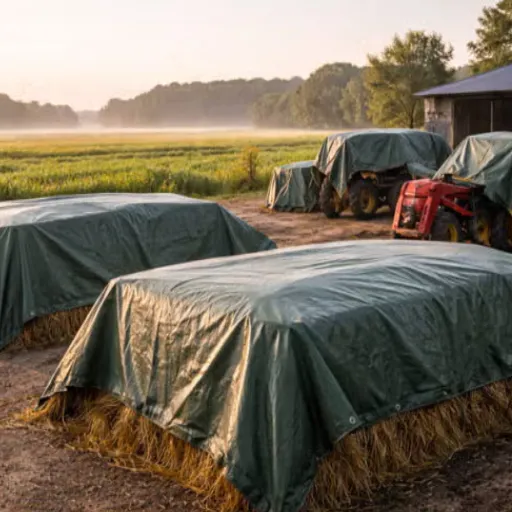
Protecting harvested hay and grain from rain and sun preserves quality and reduces spoilage. Waterproof covers with reinforced edges are essential for outdoor hay stacks. For field crops, lightweight PE covers can shield young plants from frost or intense sun.
Greenhouse Covers and Sidewalls
Greenhouses depend on covers that balance light transmission, durability, and insulation. A custom-size tarpaulin for greenhouses ensures full coverage without sagging or tearing at the attachment points. Clear, white, and black films each serve different growing conditions.
Livestock Shelter Roofing
Cattle, sheep, pigs, and poultry all benefit from shaded, dry shelter. PVC and heavy-duty PE tarpaulins make excellent roofing for portable and permanent shelters. Custom sizing lets you cover curved or peaked frames without cutting on-site.
Equipment and Machinery Covers
Tractors, combines, irrigation pumps, and tools represent a major investment. A fitted tarpaulin for crop protection keeps equipment clean, dry, and ready to use. Custom covers can include access flaps, vents, or numbered panels for large fleets.
Pond Liners and Ground Sheets
Some farms use reinforced tarpaulins as temporary pond liners, soil covers, or ground sheets. These applications require thicker, chemically resistant materials and careful seam welding.
Temporary Storage and Transit Covers
During harvest, grain, produce, and equipment often sit outdoors for days or weeks. Tarpaulin rolls in custom widths make it easier to cover long rows or large staging areas quickly.
How to Order a Custom Agricultural Tarpaulin
Ordering a custom cover is simpler than many buyers expect. The key is to provide clear, accurate information so the manufacturer can quote and produce the right product. Here is the typical process.
Step 1: Measure the Coverage Area
Measure the length, width, and height of the area or object to be covered. Add an overlap of 10–30 centimeters on each side for fastening. If the structure is irregular, provide a simple sketch or photo with dimensions marked.
Step 2: Choose the Material Based on Climate and Use
Consider sun exposure, rainfall, wind, temperature range, and how long the cover must last. PE works for short-term or seasonal use. PVC is the better choice for permanent structures and harsh climates. PP woven is ideal when breathability matters.
Step 3: Specify Reinforcements and Fastening Points
Decide where you need extra strength. Common reinforcements include:
- Double-layer corners
- Reinforced hems with rope inlay
- D-rings or webbing loops
- Grommets at custom intervals
- Extra layers along high-wear edges
Step 4: Confirm Finishing Details
These details affect both performance and appearance:
- Hem style (folded, welded, or sewn)
- Grommet size and material
- Color or transparent finish
- Logo printing or labeling
- Packaging and labeling for resale
Step 5: Request Samples or Specifications
Before placing a large order, ask for a material sample or a small production sample. This helps you verify weight, color, coating quality, and grommet strength. A reliable manufacturer will provide a detailed specification sheet and quality-control checklist.
At Linyi Chenlai, we guide customers through each step of the custom agricultural tarpaulin ordering process. From material selection to final inspection, our team ensures every cover meets the requirements of your farm and climate.
Cost Factors and ROI
Custom tarpaulins cost more upfront than standard sizes, but the return on investment usually justifies the difference. Here is what drives price and how to evaluate value.
Material, Size, and Customization Variables
The largest cost factors are material type, total square meters, coating or treatment, and the number of custom features. PVC costs more per square meter than PE, but it lasts longer. Extra grommets, printing, and reinforced corners add labor and material costs.
Lower Replacement Costs
A cheap tarpaulin that fails after one season costs more over five years than a durable cover that lasts five. For example, a 30PEtarpaulinreplacedannuallycosts150 over five years. A 120PVCcustomagriculturaltarpaulinthatlastssevenyearscostsabout17 per year. The math favors quality.
Reduced Crop and Equipment Losses
Weather damage is one of the biggest risks in agriculture. A properly fitted, weather-resistant cover can reduce losses from rain, frost, sunscald, and wind. For high-value crops or expensive machinery, the protection a custom cover provides often pays for itself in a single season.
Mini-story: A grain cooperative in Ukraine stored sunflower seed under standard 8×10 meter tarps for two seasons. Wind-driven rain repeatedly seeped under the edges, causing mold losses averaging 4% of inventory. After switching to custom-fitted, weighted-edge PVC covers, spoilage dropped below 0.5%. The savings on one harvest covered the full cost of the new covers.
Care and Maintenance Tips
Proper maintenance extends the life of any tarpaulin. Follow these guidelines to protect your investment.
Clean Before Storage
Brush off dirt, leaves, and crop residue. Rinse the cover with water and let it dry completely before folding. Storing a damp cover encourages mildew and weakens the coating.
Fold and Store Properly
Fold the tarpaulin loosely along its original seams. Avoid tight creases that can crack coatings over time. Store it in a dry, shaded place away from rodents and sharp tools.
Inspect Regularly
Check for tears, grommet damage, and seam separation at the start and end of each season. Small repairs with patch tape or heat welding can prevent larger failures later.
Avoid Unnecessary Sun Exposure
Even UV-resistant materials degrade faster with constant sun. If possible, remove and store covers during off-seasons, or rotate them to distribute wear.
Conclusion
A custom agricultural tarpaulin is one of the most practical investments a farm can make. It delivers a precise fit, the right material for your climate, and reinforcements where you need them most. Whether you are protecting crops, equipment, livestock, or storage areas, a made-to-order cover outperforms off-the-shelf alternatives in durability, efficiency, and total cost of ownership.
To get the best results, start with accurate measurements, choose the material for your conditions, and work with a manufacturer who understands agricultural applications. The right partner will ask the right questions, offer samples, and stand behind the quality of every seam and grommet.
Ready to protect your farm with a cover built to your exact specifications? Contact Linyi Chenlai Plastic Products Co., Ltd. today for a free quote on your custom agricultural tarpaulin. Our team is here to help you choose the right material, size, and features for your operation.