PVC tarpaulin is the most durable and chemically resistant cover material available for demanding agricultural applications, outlasting standard polyethylene covers by three to five times in harsh farm conditions. If you manage crops, livestock, or equipment that faces constant exposure to sun, rain, chemicals, and abrasion, understanding PVC tarpaulin for agriculture can save you thousands in replacement costs over the next decade.
Last spring, the team at Riverside Dairy in Wisconsin watched their third polyethylene silage cover tear apart during a routine storm. Each replacement costs $2,400 in materials and labor. That same season, their neighbor’s PVC covers stayed intact. The difference was not luck. It was material science.
If you have ever replaced a torn cover at midnight during a storm, you know the frustration. You also know that the cheapest option rarely proves the cheapest in the long run. By the end of this guide, you will understand exactly when PVC tarpaulin is worth the higher upfront investment, how to match specifications to your specific farm tasks, and why the numbers almost always favor PVC over a five to ten-year timeline.
We will cover what PVC tarpaulin is made of, why it resists farm chemicals that destroy other materials, how to match GSM ratings to specific jobs, and how the costs work out over a full decade. You will also learn the practical differences between knife-coated and laminated PVC, plus the maintenance habits that keep your covers performing year after year. Linyi Chenlai Plastic Products Co., Ltd. specializes in producing weather-resistant PVC tarpaulins with excellent tear strength and reliable performance in challenging conditions.
Key Takeaways
- PVC tarpaulin lasts 5–10 years in agricultural conditions, compared to 1–3 years for standard PE covers.
- The chlorine content in PVC makes it resistant to fertilizers, pesticides, animal waste, and agricultural chemicals that degrade polyethylene.
- Match GSM to your task: 450–550 gsm for greenhouse cladding, 600–700 gsm for silage and pond liners, 750–900 gsm for heavy-duty machinery and grain bunkers.
- Knife-coated PVC offers thicker, more durable coatings for long-term structures; laminated PVC provides flexibility at a lower cost for medium-duty covers.
- Over ten years, PVC tarpaulin typically reduces total cover costs by 40–60% compared to repeated PE replacements.
What Is PVC Tarpaulin?
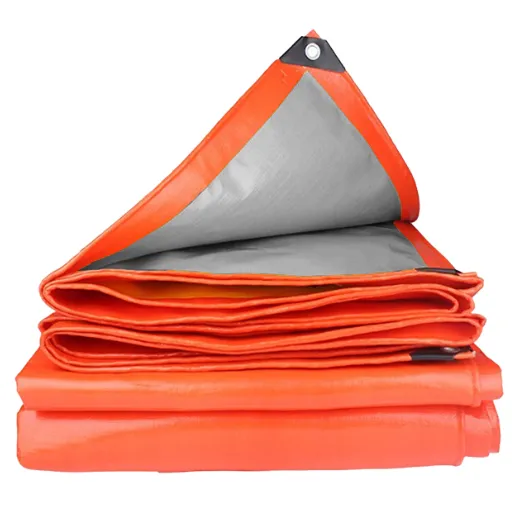
PVC tarpaulin is a heavy-duty flexible sheet material made by coating woven polyester base fabric with polyvinyl chloride resin. This construction creates a waterproof, tear-resistant, and chemically stable barrier that performs reliably in extreme agricultural environments. Unlike standard polyethylene sheeting, which is essentially a plastic film, PVC tarpaulin combines a textile skeleton with a thick protective skin.
How PVC Tarpaulin Is Made
Manufacturers begin with a woven polyester base fabric, typically rated between 500D and 1500D denier. The “D” stands for denier, a measure of fiber thickness. Higher denier means stronger base material. This fabric provides the structural backbone. Then comes the critical step: coating the fabric with liquid PVC resin.
Two methods dominate the industry. Knife coating spreads PVC paste across the fabric using a precision blade, creating a thick, uniform layer that bonds deeply into the textile weave. Lamination presses pre-made PVC film onto the fabric with heat and adhesive. Knife-coated PVC generally delivers superior durability and longer service life. Laminated PVC offers lighter weight and greater flexibility at a lower price point.
The finished product carries typical weights of 450 to 900 grams per square meter for agricultural use. Each square meter of 750 gsm PVC tarpaulin contains roughly 300 grams of woven polyester and 450 grams of protective PVC coating. That is a lot of material standing between your assets and the weather.
Why PVC Performs Differently Than PE
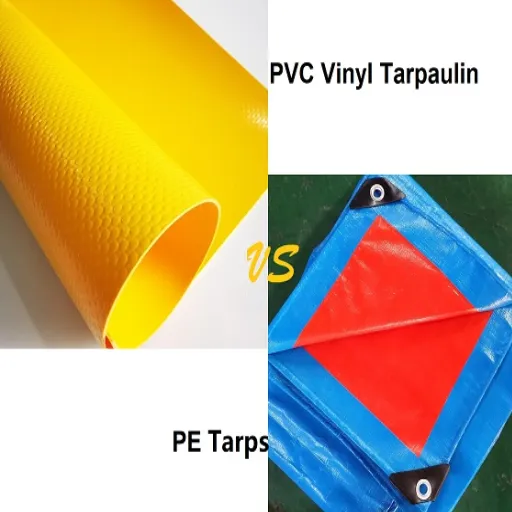
The molecular structure of PVC includes chlorine atoms that create chemical stability. Polyethylene does not share this characteristic. When PE encounters ammonia from animal waste, acidic fertilizers, or pesticide residues, the polymer chains break down. PVC resists these attacks.
Additionally, PVC coatings are substantially thicker than PE film layers. A typical agricultural PE tarpaulin measures 0.15 to 0.25 millimeters thick. An equivalent PVC tarpaulin measures 0.5 to 1.2 millimeters. Thicker coating means better abrasion resistance, stronger waterproofing, and longer UV protection. PVC also welds together with hot air, enabling custom fabrication for ponds, large covers, and complex structures. PE cannot be welded effectively.
For a broader introduction to tarpaulin types and applications, see our complete tarpaulin guide.
Key Advantages of PVC Tarpaulin for Agriculture
Farmers choose PVC tarpaulin because it solves problems that cheaper materials simply cannot address. The advantages go far beyond basic waterproofing.
Superior Chemical Resistance
Agricultural environments expose covers to some of the harshest chemical conditions imaginable. Manure lagoons release ammonia gas that attacks polyethylene. Fertilizer overspray leaves acidic residues. Pesticide formulations contain solvents and active ingredients that degrade standard plastic films.
PVC maintains structural integrity across a pH range of 3 to 11. It resists ammonia, urea, common nitrogen fertilizers, and most agricultural chemicals. This makes PVC tarpaulin essential for manure storage covers, compost piles, chemical storage areas, and any application where covers contact reactive substances.
Marcus Chen, operations manager at a grain cooperative in Nebraska, learned this lesson the hard way. His team used PE covers for their outdoor fertilizer staging area. Within eight months, the covers developed brittle cracks and began leaking. They switched to 650 gsm PVC tarpaulin with chemical-resistant formulation. Three years later, those same covers still flex and fold without cracking. The PE covers had required two full replacements in that same period.
Exceptional Durability and Lifespan
High-quality PVC tarpaulin achieves tensile strength up to 4,000 newtons per 5 centimeters. That means it resists tearing, puncturing, and ripping under load. The woven polyester base prevents catastrophic failure. Even if the PVC coating sustains minor damage, the fabric underneath holds the sheet together.
In outdoor agricultural conditions, premium PVC tarpaulin lasts 5 to 10 years with proper care. Standard PE covers typically require replacement every 1 to 3 years. The difference compounds quickly across a large farm operation. Abrasion resistance matters too. Equipment covers drag against metal. Ground sheets rub against soil and gravel. PVC handles this wear far better than thin PE film.
If you need durable heavy-duty tarpaulins for extreme conditions, PVC construction delivers the reliability that farming demands.
Weather and Temperature Performance
Agricultural covers must perform from the freezing depths of winter to the scorching heat of summer. PVC tarpaulin maintains flexibility and performance from minus 30 degrees Celsius to plus 70 degrees Celsius. It does not become brittle in cold weather or soft and stretchy in extreme heat.
Quality PVC tarpaulin achieves a hydrostatic head rating of 10,000 millimeters or higher. That means it withstands the water pressure equivalent to a one-meter column of standing water. Rain, snow, and pooled water simply cannot penetrate. UV inhibitors blended into the PVC coating prevent sun degradation. Uncoated or poorly formulated plastic sheeting loses 50 percent or more of its strength within 12 months of sun exposure. Quality PVC tarpaulin retains performance for years.
Fire-Retardant Safety
Grain and hay storage present serious fire risks. Spontaneous combustion, electrical faults, and equipment sparks can ignite stored crops. Standard PE covers burn readily and melt, spreading flames and dropping burning plastic onto valuable inventory.
Fire-retardant PVC tarpaulin meets EN 13501-1 Class B and NFPA 701 standards. It self-extinguishes when the ignition source removes. It does not drip molten plastic. For grain bunkers, hay barns, and bulk storage facilities, this safety feature is not optional. It is essential.
For comprehensive waterproof tarpaulin solutions that also handle extreme temperatures, PVC construction provides the complete protection package.
Top Agricultural Applications for PVC Tarpaulin
PVC tarpaulin serves dozens of roles on the modern farm. Here are the applications where its unique properties make the biggest difference.
Silage and Hay Storage Covers
Silage preservation demands an airtight, waterproof seal. Oxygen exposure ruins fermentation and destroys nutritional value. PVC tarpaulin provides the heavy, conforming weight and impermeability needed for effective silage pit and bunker coverage.
Recommended specifications: 600 to 750 gsm with reinforced edges and welded seams. The extra weight helps the cover conform to the silage surface, squeezing out air pockets. PE covers are too light and too oxygen-permeable for this task. They also tear easily when stretched over uneven surfaces.
Greenhouse and Nursery Cladding
PVC tarpaulin works surprisingly well as greenhouse cladding in certain applications. It diffuses light evenly, reducing hot spots that burn tender seedlings. It withstands the high-humidity environment inside greenhouses without developing the mold and mildew that attack lesser materials.
For nursery shade houses and seasonal greenhouses, 450 to 550 gsm PVC provides an excellent balance of light transmission, durability, and cost. Custom sizing ensures precise fits for gable roofs, hoop houses, and tunnel structures. The material welds together at seams, creating continuous sheets without leak points.
Farm Pond Liners and Irrigation
Water containment is one of PVC’s oldest and most reliable applications. PVC pond liner tarpaulin offers complete impermeability, resisting both water penetration and root penetration from nearby vegetation. It welds into large, seamless sheets that cover ponds of any size.
Typical specifications: 550 to 700 gsm with reinforced seams and UV stabilization. The smooth surface resists algae attachment, making cleaning easier. Unlike natural rubber liners, PVC does not biodegrade or become food for insects and rodents.
Livestock Shelter Curtains and Roofing
Modern livestock operations use roll-up curtains to control ventilation, temperature, and light. PVC tarpaulin makes ideal curtain material because it resists the ammonia-rich atmosphere inside barns. It also stands up to wind, rain, and the physical abuse of daily rolling and unrolling.
Barn roofing with PVC provides a lightweight alternative to metal or fiberglass. It installs faster and allows diffused natural light to enter the structure. The hygienic surface cleans easily, supporting biosecurity protocols.
Farm Equipment and Machinery Covers
Tractors, combines, sprayers, and tillage equipment represent massive capital investments. Leaving them exposed to sun and rain accelerates rust, degrades seals, and cracks rubber components. Custom-shaped PVC covers protect this equipment year after year.
The abrasion resistance of PVC matters here. Equipment covers often drag against metal edges, concrete pads, and gravel surfaces. PVC handles this contact without wearing through. PE covers develop holes within months under the same conditions.
Grain and Produce Storage Bunkers
Bulk grain piles and produce storage bunkers need covers that keep water out and withstand wind uplift. PVC tarpaulin at 750 to 900 gsm provides the weight and strength for this application. Fire-retardant versions add critical safety for grain storage.
Reinforced lifting points allow cranes and loaders to position large covers efficiently. Stackable designs let farmers cover and uncover storage areas quickly during harvest and shipping seasons.
Ready to protect your farm with the right cover? Contact our team for a custom quote on PVC tarpaulin sized exactly for your silage pits, equipment, or storage bunkers.
Knife-Coated vs Laminated PVC Tarpaulin: Which Is Right for Your Farm?
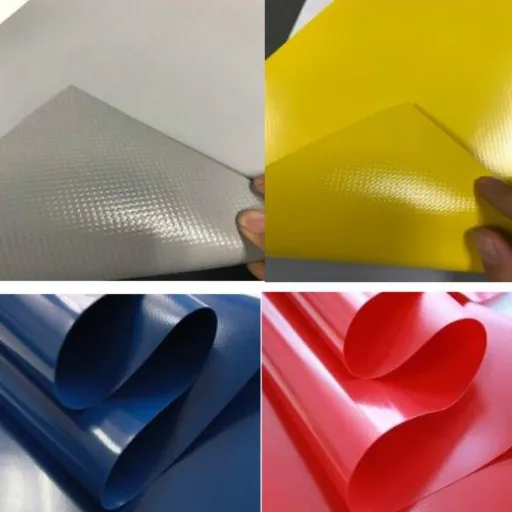
Not all PVC tarpaulin is manufactured the same way. The coating method determines durability, flexibility, and price. Understanding the difference helps you match the right product to each job.
Knife-Coated PVC
In knife coating, a precision blade spreads liquid PVC paste directly onto the woven polyester fabric. The paste penetrates deeply into the textile weave. Heat cures the coating into a thick, continuous layer that becomes one with the fabric.
The result is a heavier, stiffer, more durable sheet. Knife-coated PVC typically offers better abrasion resistance, longer UV stability, and stronger seam welds. It is the preferred choice for permanent or semi-permanent structures: pond liners, long-term grain covers, greenhouse cladding, and heavy machinery covers.
Laminated PVC
Lamination bonds pre-formed PVC film to the fabric using heat and adhesive. The coating layer sits on top of the fabric rather than soaking into it. This produces a lighter, more flexible, and less expensive product.
Laminated PVC suits applications where flexibility and lower cost matter more than maximum durability. Temporary covers, seasonal crop protection, lightweight equipment covers, and short-term construction projects all work well with laminated PVC.
Decision Framework
Choose knife-coated PVC for long-term structures, chemical exposure, abrasion risk, and any application where replacement is difficult or expensive. Choose laminated PVC for temporary or seasonal use, budget-constrained projects, and applications requiring frequent folding and transport.
| Factor | Knife-Coated PVC | Laminated PVC |
|---|---|---|
| Coating thickness | Thicker (0.6–1.2mm) | Thinner (0.3–0.6mm) |
| Weight | Heavier (600–900 gsm) | Lighter (450–650 gsm) |
| Durability | 7–10 years | 3–5 years |
| Abrasion resistance | Excellent | Good |
| Flexibility | Stiffer | More flexible |
| Cost | Higher | Lower |
| Best for | Permanent structures | Temporary covers |
How to Choose the Right PVC Tarpaulin for Agricultural Use
Selecting the correct specification ensures you get the performance you pay for without overspending on unnecessary features.
GSM Selection Guide
Grams per square meter tells you how much material sits in each square meter of tarpaulin. More material means more durability, but also more weight and cost.
| GSM Range | Best Agricultural Applications | Expected Lifespan |
|---|---|---|
| 450–550 gsm | Greenhouse cladding, nursery shade, light equipment covers | 3–5 years |
| 600–700 gsm | Silage covers, pond liners, medium-duty equipment, livestock curtains | 5–7 years |
| 750–900 gsm | Heavy machinery covers, grain bunkers, high-wind areas, permanent structures | 7–10 years |
For most farm operations, 600 to 700 gsm hits the sweet spot. It provides enough durability for daily agricultural abuse without the premium cost of the heaviest grades.
Base Fabric Denier
Denier measures the thickness of individual polyester fibers in the base fabric. Standard agricultural PVC tarpaulin uses 500D to 1000D fabric. This handles normal loads, moderate wind, and typical abrasion.
For extreme conditions, specify 1200D to 1500D base fabric. The heavier fibers resist tearing under high tension, making them ideal for large span covers, high-wind regions, and applications where the cover bears significant weight from snow or pooled water.
Coating and Finish Options
Modern PVC tarpaulin offers specialized formulations for specific challenges. UV-stabilized coating extends service life in tropical and high-altitude farms where sun exposure is extreme. Anti-mildew treatment prevents fungal growth in humid greenhouse environments. Fire-retardant certification supports safe grain and hay storage.
Color selection also matters. White PVC reflects heat, keeping covered areas cooler in summer. Black PVC blocks light completely, supporting light-deprivation applications. Custom colors support branding or operational color-coding.
For customizable tarpaulin sheets in the exact size, color, and specification your farm requires, our manufacturing team can produce to your precise requirements.
PVC vs PE Tarpaulin for Agriculture: A Cost-Benefit Analysis
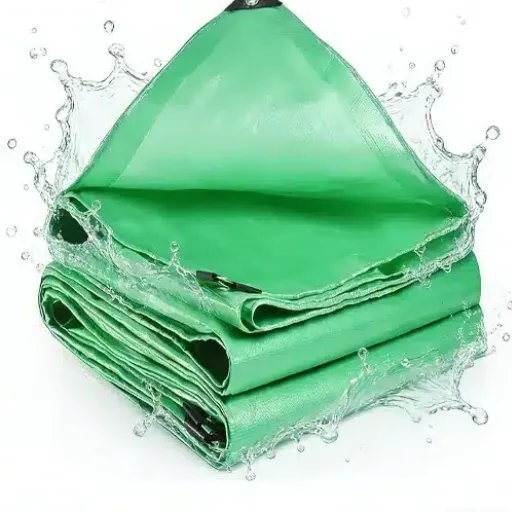
The upfront price gap between PVC and PE tempts many buyers toward the cheaper option. A ten-year financial analysis tells a different story.
Upfront Costs
PVC tarpaulin typically costs two to three times more per square meter than standard PE sheeting. A 10-by-12-meter silage cover might cost 480inPEand1,200 in PVC. That $720 difference looks significant at the checkout stage.
Lifespan Reality
In real agricultural conditions, PE covers last 1 to 3 years. PVC covers last 5 to 10 years. Over a decade, the PE cover requires three to five replacements. The PVC cover might need one replacement, or possibly none at all.
Hidden Costs of PE
Replacement costs go beyond the price of the new cover. Labor for removal and installation adds up. Crop or equipment exposure during the gap between covers causes damage. Disposing of worn plastic sheeting carries environmental fees in many jurisdictions. Emergency replacements during critical seasons often command premium prices and rushed shipping.
Total Cost of Ownership
Over ten years, a farm using PVC tarpaulin typically spends 40 to 60 percent less on covers than a farm using PE. The break-even point usually arrives between years three and four. After that, every additional year of PVC service life represents pure savings.
Elena Vasquez runs a 200-acre vegetable operation in California. She initially balked at the price of custom-welded PVC pond liners and greenhouse cladding. Then she calculated her PE replacement history: seven covers in five years, plus two crop losses from cover failures during storms. She placed her PVC order the next week. Three years later, every PVC cover remains in active service.
When PE Makes Sense
Polyethylene still has a place on the farm. Temporary covers for seasonal use, emergency backup sheets, and applications where the cover contacts nothing abrasive or chemical may not justify PVC pricing. Budget-constrained operations might also prefer PE for short-term needs while planning PVC upgrades.
When PVC Is Essential
Choose PVC for long-term structures, chemical exposure, fire safety requirements, custom welded fabrications, and any application where cover failure would cause significant financial loss. The higher initial investment pays reliable dividends in performance and peace of mind.
For more on how different materials compare, see our broader guide on agricultural tarpaulin applications.
PVC Tarpaulin Care and Maintenance for Agricultural Use
Even the best material benefits from proper care. Simple maintenance habits extend service life and protect your investment.
Cleaning Procedures
Remove mud, manure, and chemical residue with mild soap and water. A soft-bristled brush works well for stubborn deposits. Rinse thoroughly and allow the cover to dry completely before folding for storage.
Avoid harsh solvents, gasoline, kerosene, or strong acids. These chemicals can extract the plasticizers that keep PVC flexible. Once plasticizers leach out, the material becomes stiff and prone to cracking.
Inspection Schedule
Check welded seams and reinforced edges at least once per season. Look for signs of UV degradation: surface chalking, stiffness, or small cracks. Early detection allows repair before damage spreads.
Pay special attention to high-stress points. Corners, grommet locations, and seam intersections bear the most load. These areas show wear first.
Repair and Patching
Small punctures and tears are repairable in the field. PVC patch kits use adhesive or hot-air welding to bond patches permanently to the cover surface. For larger damage, professional welding services can seam in replacement sections.
Replace the cover when UV degradation becomes widespread, seams separate extensively, or the material loses flexibility and begins cracking along fold lines. A cover that has served seven years has earned its retirement. Linyi Chenlai Plastic Products Co., Ltd. specializes in producing weather-resistant PVC tarpaulins with excellent tear strength and reliable performance in challenging conditions.
Conclusion
PVC tarpaulin for agriculture offers a rare combination of durability, chemical resistance, and customization that standard polyethylene simply cannot match. From silage pits to greenhouse roofs, pond liners to machinery covers, the right PVC specification protects your assets through seasons of sun, rain, wind, and chemical exposure.
The key is matching the material to the mission. Use 450 to 550 gsm laminated PVC for light greenhouse work. Specify 600 to 700 gsm knife-coated PVC for silage, ponds, and equipment. Invest in 750 to 900 gsm fire-retardant grades for grain storage and permanent structures. Over a decade, the math almost always favors PVC.
Your farm faces enough uncertainty from weather and markets. Your covers should not add to the risk. At Linyi Chenlai Plastic Products Co., Ltd., we manufacture PVC tarpaulin to exacting standards, with customizable sizes, colors, and specifications for agricultural operations worldwide. Every tarpaulin we produce undergoes rigorous quality checks to ensure it meets the demands of your specific application.
Contact us today for a custom PVC tarpaulin quote tailored to your farm’s exact dimensions and requirements. Our team will help you select the right GSM, coating type, and finish for your specific agricultural challenge.
Ready to explore more options? Browse our full range of agricultural tarpaulin solutions or learn about tarpaulin rolls for large agricultural projects.