Custom tarpaulin manufacturing is the process of producing tailored waterproof covers to exact specifications, including material type, size, color, reinforcements, and performance features. The right manufacturer helps businesses get durable, fit-for-purpose tarpaulins for agriculture, construction, logistics, and industrial use.
Last year, a procurement manager named Elena ordered 500 custom truck covers based on price alone. Within eight months, the seams split, the coating cracked, and her company paid twice the original order value in replacements and delayed deliveries. Her story is more common than it should be. Many buyers focus on unit cost and overlook the details that determine whether a custom tarpaulin lasts three seasons or ten.
This guide explains how custom tarpaulin manufacturing works, what specifications matter, and how to choose a manufacturer that delivers real value. You will learn the differences between PVC and PE materials, OEM and ODM production models, quality standards to demand, and the ordering process from first quote to final shipment. Whether you need custom sizes, colors, thicknesses, or printing options, our team is ready to help you create the ideal waterproof tarpaulin for your project.
Key Takeaways
- Custom tarpaulin manufacturing produces covers tailored to exact size, material, color, and performance requirements.
- PVC tarpaulins suit heavy-duty, long-term applications, while PE tarpaulins work well for lighter, cost-sensitive uses.
- OEM manufacturing uses buyer-provided designs; ODM manufacturing uses designs developed by the manufacturer.
- Key certifications include ISO 9001, NFPA 701, REACH, and RoHS; physical tests should cover tensile strength, coating adhesion, and hydrostatic pressure.
- The lowest unit price rarely delivers the lowest total cost; material failure can cost 5–10x more than investing in quality upfront.
What Is Custom Tarpaulin Manufacturing?
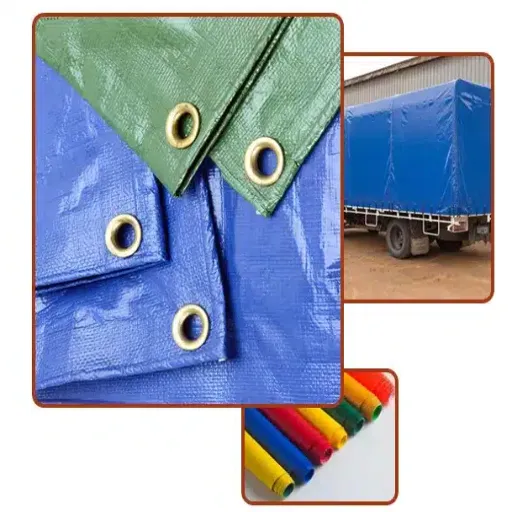
Custom tarpaulin manufacturing is the production of tarpaulins built to a buyer’s specific requirements rather than pulled from standard inventory. A buyer provides or approves specifications such as dimensions, base fabric, coating type, GSM weight, color, printing, grommet placement, and reinforcements. The manufacturer then produces the tarpaulins through processes like weaving, coating, cutting, welding, and finishing.
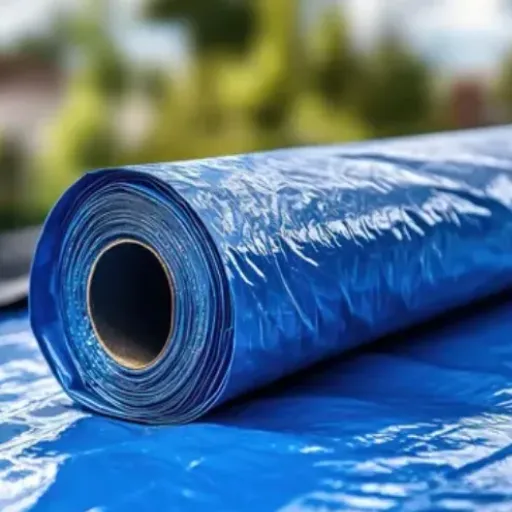
This approach differs from buying off-the-shelf tarpaulin sheets or tarpaulin rolls. Standard products work for general coverage, but they rarely match the exact shape, strength, or branding needs of commercial projects. Custom manufacturing solves that problem.
OEM vs ODM Manufacturing Models
Buyers encounter two main production models when sourcing custom tarpaulins.
OEM (Original Equipment Manufacturing) means the buyer provides the design, specifications, and often the materials. The manufacturer builds exactly to those requirements. This model suits buyers with established engineering standards or specific brand requirements.
ODM (Original Design Manufacturing) means the manufacturer supplies the design. The buyer selects from existing product platforms and requests modifications such as size, color, or logo placement. This model works well for buyers who need customization but do not have in-house technical specifications.
Understanding the difference matters because it affects who owns the design, how much engineering support you receive, and how flexible the final product can be.
When Custom Manufacturing Makes Sense
Custom manufacturing is the right choice when standard products cannot meet project demands. Common triggers include non-standard dimensions, high-strength requirements, branded covers, fire-retardant or UV-resistant specifications, and large-volume orders where consistency matters.
For example, a construction company covering a 40-meter scaffolding section cannot rely on standard sheet sizes. A logistics firm transporting chemicals may need fire-retardant fabric with exact grommet spacing. A farm protecting high-value greenhouse crops may need UV-resistant covers cut to unusual roof angles. In each case, custom tarpaulin manufacturing delivers the precise solution.
Looking for a reliable custom tarpaulin manufacturer? Contact Linyi Chenlai Plastic Products Co., Ltd. today for tailored waterproof tarp solutions designed to meet your exact specifications.
Materials Used in Custom Tarpaulin Manufacturing
Material selection is the single most important decision in custom tarpaulin manufacturing. The two dominant materials are PVC (polyvinyl chloride) and PE (polyethylene). Each has distinct strengths, cost profiles, and ideal applications.
PVC Tarpaulin Materials and Specifications
PVC tarpaulin consists of a high-tenacity polyester base fabric coated with PVC layers. The base fabric is typically 1000D or 1300D polyester, woven in plain or Panama patterns. Coating methods include knife coating, hot lamination, and cold lamination.
Knife-coated PVC delivers the most uniform thickness and strongest adhesion, making it ideal for premium industrial applications. Hot-laminated PVC offers a balance of cost and performance. Cold-laminated PVC is the most economical but has lower adhesion and a shorter lifespan.
PVC tarpaulins generally range from 300 to 1300 GSM. Industrial-grade options often exceed 500 GSM and provide tensile strength of 2,500 N/5cm in the warp direction and 2,300 N/5cm in the weft direction. Lifespan typically ranges from 5 to 10+ years depending on the coating method and environment.
PE Tarpaulin Materials and Specifications
PE tarpaulin is made from HDPE woven fabric laminated with LDPE on both sides. The production process starts with extruded flat tapes that are stretched for strength, woven into a fabric, and then coated.
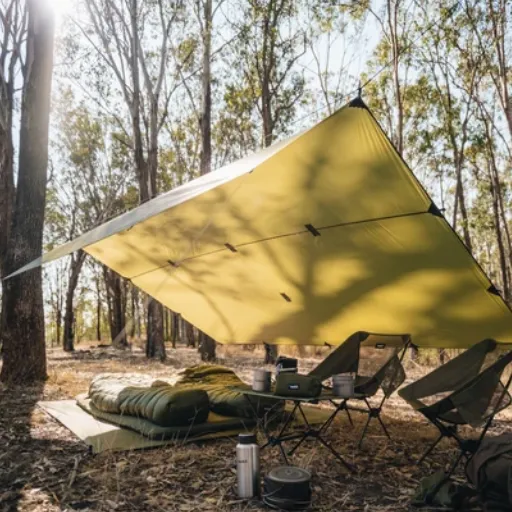
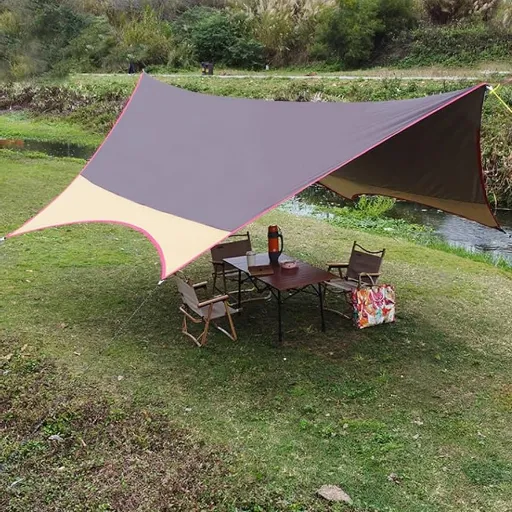
PE tarpaulins typically range from 60 to 300 GSM. They are lighter, more flexible, and lower in cost than PVC options. However, they are more vulnerable to UV degradation and mold if stored wet. PE works best for temporary or seasonal applications such as agricultural covers, camping shelters, and short-term construction protection.
Our experts can recommend the most suitable waterproof tarpaulin materials based on your application, budget, and performance requirements. Contact us for professional guidance.
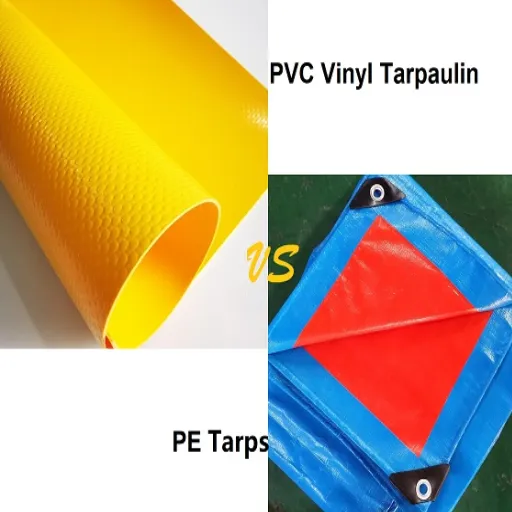
PVC vs PE: Which Material Should You Choose?
| Factor | PVC Tarpaulin | PE Tarpaulin |
|---|---|---|
| Weight | 300–1300 GSM | 60–300 GSM |
| Lifespan | 5–10+ years | 1–5 years |
| Cost | Higher | Lower |
| Durability | Excellent tear and abrasion resistance | Good for light-duty use |
| UV resistance | Strong with proper additives | Moderate; degrades faster |
| Best applications | Trucks, construction, industrial storage | Agriculture, temporary shelters, short-term use |
Choose PVC when the application demands long-term durability, fire resistance, or heavy mechanical stress. Choose PE when cost, weight, and short-term use are the priorities.
Eco-Friendly and Specialty Material Options
Some manufacturers now offer eco-friendly tarpaulins made with recycled content, biodegradable additives, or reduced plasticizer formulations. These options support sustainability goals without completely sacrificing performance.
Specialty options also include fire-retardant fabrics certified to NFPA 701 or B1 standards, anti-mildew treatments for humid climates, and cold-crack plasticizers for freezing environments. When requesting a quote, specify any environmental or safety requirements clearly so the manufacturer can recommend the right formulation.
The Custom Tarpaulin Manufacturing Process
Understanding the tarpaulin manufacturing process helps buyers evaluate quality and ask better questions. The process typically includes eight stages.
Step 1: Requirements and Specification Review
The manufacturer reviews the buyer’s requirements, including dimensions, material, GSM, color, surface finish, hardware, printing, and intended use. Engineers may suggest improvements based on production experience and material science knowledge.
A clear specification sheet at this stage prevents costly mistakes later. Include all relevant details: length, width, hem style, grommet spacing, reinforcement points, and any certifications required.
Step 2: Material Selection and Design
Engineers select the base fabric, coating formulation, and additives. Design work includes panel layouts, seam maps, grommet placement, and reinforcement schedules. For OEM orders, this step follows the buyer’s design exactly. For ODM orders, the manufacturer proposes a design for approval.
Step 3: Weaving and Base Fabric Production
For PVC tarpaulins, high-tenacity polyester yarns are woven into the required pattern. For PE tarpaulins, extruded HDPE tapes are stretched and woven into a mesh. The base fabric determines much of the final product’s tensile strength and tear resistance.
Step 4: Coating, Lamination, and Surface Treatment
PVC fabrics are coated using knife coating, hot lamination, or cold lamination methods. PE fabrics are laminated with LDPE layers for waterproofing. Additives for UV resistance, fire retardancy, or anti-mildew properties are incorporated during this stage.
Step 5: Cutting, Welding, and Fabrication
Large coated rolls are cut into panels according to the design. Panels are joined using heat sealing, high-frequency welding, or industrial sewing depending on the material and application. Welded seams generally provide better waterproofing than stitched seams for PVC.
Step 6: Hardware Installation and Custom Finishing
Grommets, eyelets, D-rings, Velcro, ropes, and reinforcement patches are added according to specifications. Custom printing such as logos or safety markings is applied using screen or digital printing.
Step 7: Quality Control and Testing
Quality checks include visual inspection, dimensional verification, gram-weight testing, color matching, and performance testing. Reputable manufacturers test coating adhesion, tensile strength, hydrostatic pressure, and seam strength before shipment.
Step 8: Packaging and Shipping
Finished tarpaulins are folded, rolled, or packed according to customer requirements and shipping conditions. Proper packaging prevents creasing, moisture damage, and contamination during transit.
Customization Options and Specifications
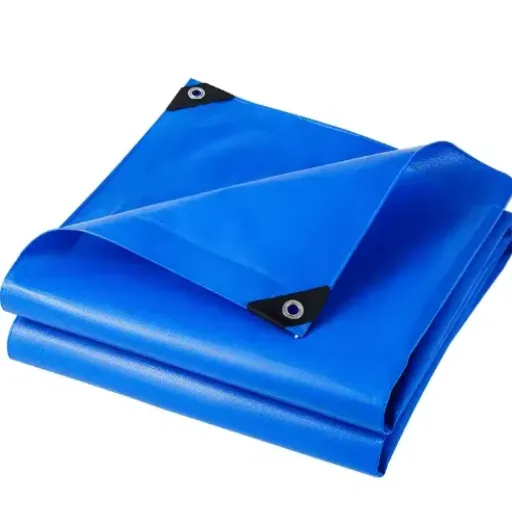
One of the main advantages of custom tarpaulin manufacturing is the ability to tailor every detail. Here are the most common customization options.
Custom Sizes and Dimensions
Custom tarpaulins can be produced in almost any size. Continuous PVC rolls often reach 1.5 to 5 meters in width, with wider panels created by welding sections together. PE rolls can be slit and sealed to custom lengths. Always specify finished dimensions and whether hems are included in the measurement.
Colors, Printing, and Branding
Manufacturers can match colors to RAL or Pantone references. Logos, safety markings, and advertising graphics can be printed using screen printing or digital printing methods. Branded covers are popular in logistics, events, and retail applications.
Grommets, Eyelets, and Reinforcements
Grommets and eyelets are installed at specified intervals, typically 25 to 100 centimeters apart. Brass, stainless steel, and aluminum hardware are common. Reinforced corners and double-fold hems extend lifespan under tension.
Edge Treatments and Seam Construction
Edge options include single-fold hems, double-fold hems, rope edges, and welded seams. Seam construction affects both waterproofing and strength. High-frequency welded seams are preferred for PVC when waterproofing is critical.
Add-Ons: UV Resistance, Fire Retardancy, Anti-Mildew
Additives can be included to meet specific environmental challenges. UV stabilizers extend outdoor life. Fire-retardant treatments meet construction and event safety codes. Anti-mildew agents protect covers stored in humid conditions.
Ready to explore custom options for your project? Contact our team to discuss sizes, materials, and finishes that match your exact requirements.
Quality Standards and Certifications
Quality standards separate professional manufacturers from commodity traders. When evaluating a custom tarpaulin manufacturer, ask about these certifications and tests.
ISO 9001 and Quality Management
ISO 9001 certification indicates that the manufacturer follows documented quality management processes. It does not guarantee product quality by itself, but it shows a structured approach to consistency and continuous improvement.
Fire Safety Standards
Fire-retardant tarpaulins should meet recognized standards such as NFPA 701 for the United States, B1 for Germany, or M2 for France. These standards measure how the fabric behaves when exposed to flame and are essential for construction, events, and public infrastructure.
Environmental and Chemical Compliance
REACH and RoHS regulations restrict hazardous chemicals in products sold in the European Union. REACH addresses over 230 restricted substances, while RoHS limits heavy metals such as lead, cadmium, and mercury. Compliance is critical for buyers in regulated markets.
Physical Performance Testing Standards
Reputable manufacturers test products against recognized physical standards. Common tests include:
- ISO 2411: Coating adhesion, with a minimum of 100 N/5cm for industrial-grade PVC.
- ISO 811: Hydrostatic pressure resistance.
- DIN 53354: Tensile strength and elongation.
- Trapezoidal tear test: Tear resistance under stress.
Ask for batch-specific test reports rather than generic certificates. A certificate proves the factory can meet a standard; a test report proves the batch you receive actually did.
How to Choose a Custom Tarpaulin Manufacturer
Selecting the right manufacturing partner is as important as selecting the right material. Here are the factors that matter most.
Verify Manufacturing Capabilities vs Trading Companies
Some suppliers are trading companies that outsource production. Others are actual manufacturers with their own equipment and quality control. Ask for the ISO 9001 scope certificate, factory photos, and production videos. A manufacturer should be able to show weaving, coating, cutting, and welding capabilities on site.
Evaluate Production Capacity and Lead Times
Capacity affects both price and delivery speed. A small workshop may offer low prices but struggle with large orders. A well-equipped tarpaulin factory can handle consistent volume and tighter schedules. Clarify lead times for samples, trial orders, and bulk production.
Request Samples and Test Reports
Always request A4-sized samples with full mechanical test data before placing a bulk order. Test the sample yourself for flexibility, coating adhesion, and seam strength. Compare samples from multiple suppliers rather than relying on photos or descriptions.
Assess Communication and Project Management
Custom orders require clear communication. Evaluate how quickly the supplier responds, how well they understand your specifications, and whether they proactively flag potential issues. Poor communication early in the process usually leads to mistakes later.
Compare Pricing and Total Cost of Ownership
Unit price is only one part of the equation. Consider lifespan, replacement frequency, damage risk, and shipping costs. A cheaper tarpaulin that fails in one year can cost far more than a premium option that lasts five.
A logistics fleet manager named David learned this the hard way. He switched to a low-cost supplier for 300 truck covers and saved 15% on the initial order. Within 18 months, 40% of the covers had torn at the seams, and his team spent weeks managing replacements. The total cost, including downtime and damaged cargo, exceeded the premium option by a wide margin.
Want a quote based on total value, not just unit price? Request a quote and we’ll help you compare options over the full product lifespan.
Applications and Industry-Specific Recommendations
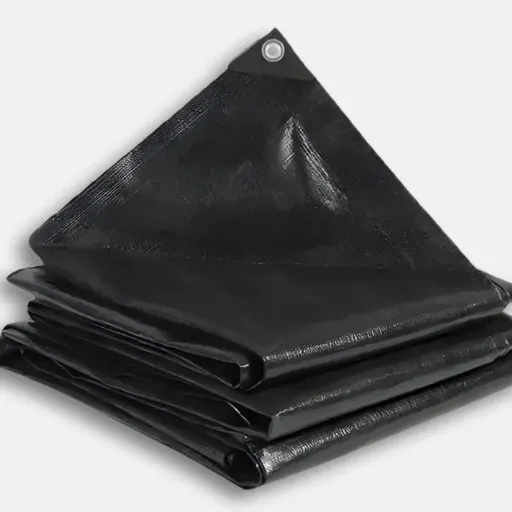
Different industries need different specifications. Here is how custom tarpaulin manufacturing applies across major sectors.
Agriculture: Crop Protection and Equipment Covers
Agricultural buyers often need tarpaulin for agriculture with UV resistance, breathable options, and custom sizes for greenhouses, hay storage, and machinery covers. PE is common for seasonal covers; PVC works for long-term structures.
Construction: Site Protection and Safety Compliance
Construction sites demand tarpaulin for construction that can withstand wind, debris, and daily handling. Fire-retardant certification is often required. Heavy-duty PVC with reinforced hems and welded seams is usually the best choice.
Logistics and Truck Covers
Truck covers need high tensile strength, abrasion resistance, and secure fastening. Custom grommet spacing, reinforced edges, and branded printing are common requirements. PVC at 500 GSM or higher is typical for long-haul applications.
Industrial Storage and Temporary Shelters
Industrial covers protect equipment, raw materials, and temporary shelters from weather and dust. Large-format panels with welded seams and D-ring tie-downs provide strength and stability.
Events and Disaster Relief
Event covers and disaster relief tarps need quick deployment, moderate durability, and sometimes flame resistance. PE or lighter PVC is often suitable, with bright colors or printed markings for visibility.
Ordering Process: From Quote to Delivery
A well-managed order follows a clear sequence from specification to delivery.
Preparing Your Specification Sheet
Document every requirement: dimensions, material, GSM, color, finish, hardware, printing, packaging, certifications, and target quantity. Include drawings or photos if possible. The more detail you provide, the more accurate your quote will be.
Requesting a Quote
Submit your specification sheet to the manufacturer and ask for itemized pricing. Itemized quotes make it easier to compare suppliers and identify hidden costs. Ask about tooling fees, sample costs, shipping terms, and payment terms.
Sample Approval and Bulk Production
Review samples for material quality, dimensions, color accuracy, and workmanship. Approve the sample in writing before bulk production begins. During production, request progress photos or third-party inspection if the order is large or complex.
Quality Inspection and Shipment
Before shipment, verify that the finished goods match the approved sample and specification sheet. Many buyers arrange pre-shipment inspection or request detailed packing lists and test reports. Choose shipping terms that balance cost, speed, and risk.
Conclusion
Custom tarpaulin manufacturing gives businesses the ability to order covers that match exact operational needs. The process involves material selection, design, weaving or extrusion, coating, fabrication, finishing, and quality control. PVC suits heavy-duty and long-term applications, while PE works for lighter, short-term use. Quality certifications and physical test reports separate reliable manufacturers from risky suppliers.
The most important lesson is to evaluate total cost, not just unit price. A well-made custom tarpaulin protects assets, reduces replacements, and prevents costly delays. A poorly made one creates the exact problems it was supposed to solve.
If you are planning a custom tarpaulin order, start with a clear specification sheet and a manufacturer that can explain the process, provide samples, and back claims with test data. The right partner will help you get a product that performs reliably in the field.
Ready to start your custom tarpaulin project? Contact Linyi Chenlai Plastic Products Co., Ltd. today to request a quote, review samples, and discuss specifications tailored to your application.
Sources and references: This guide draws on industry standards including ISO 9001, ISO 2411, ISO 811, DIN 53354, NFPA 701, REACH, and RoHS. Market growth data is based on industry analysis from Cognitive Market Research.