PVC tarpaulin for construction is the most reliable material for protecting building sites, equipment, and materials from weather, fire hazards, and debris. It outlasts polyethylene alternatives by 3-5 years and meets critical safety certifications that standard covers simply cannot match.
Last spring, a mid-sized contractor in Texas learned this lesson the hard way. Mike Brennan’s crew covered a $40,000 lumber delivery with standard polyethylene sheets before a weekend storm. By Monday, wind had shredded the covers and rainwater had warped 30% of the load. The replacement cost and project delay set his timeline back two weeks. If his team had invested in proper PVC tarpaulin, the materials would have stayed dry and intact.
This guide shows you exactly how to choose, specify, and deploy PVC tarpaulin on your construction site. You will learn which certifications matter, how to calculate true cost per use, and why customization beats one-size-fits-all every time. Whether you are managing a small residential build or a large commercial development, the right site protection saves money, reduces liability, and keeps projects on schedule. Linyi Chenlai Plastic Products Co., Ltd. specializes in producing weather-resistant PVC tarpaulins with excellent tear strength and reliable performance in challenging conditions.
Key Takeaways
- PVC tarpaulin lasts 5-7 years on construction sites compared to 1-2 years for polyethylene, delivering lower cost per use despite higher upfront pricing.
- Fire-retardant PVC tarpaulin with BS 5862 or NFPA 701 certification is essential for meeting construction site safety standards and reducing liability.
- GSM ratings between 400-900 indicate durability level; heavy-duty construction applications typically require 600+ GSM for reliable performance.
- Custom sizing eliminates waste and reduces labor costs by 15-20% compared to piecing together standard-size sheets.
- Bulk procurement from a specialized manufacturer reduces per-unit costs by 25-40% for large-scale or multi-phase projects.
What Is PVC Tarpaulin and Why Do Construction Sites Need It?
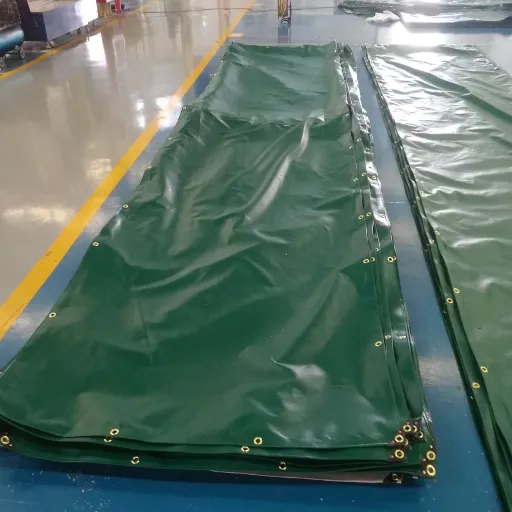
PVC tarpaulin is a heavy-duty protective cover made from polyvinyl chloride coated onto a woven polyester base. The result is a flexible, reinforced sheet that resists tearing, blocks water, withstands UV exposure, and maintains structural integrity in temperature extremes from -20°C to 70°C. Unlike standard polyethylene sheeting, PVC tarpaulin is engineered for repeated use in demanding industrial environments.
Construction sites present some of the harshest conditions any cover material must endure. Sharp edges, heavy loads, constant wind exposure, chemical contact, and direct sunlight all work to degrade inferior materials. PVC tarpaulin handles these challenges because the PVC coating creates a molecular barrier that polyethylene simply cannot replicate. The woven polyester core provides tensile strength, while the outer PVC layer delivers waterproofing and chemical resistance.
The Engineering Behind PVC Tarpaulin
The manufacturing process starts with high-tenacity polyester yarn woven into a stable base fabric. This base determines the tarpaulin’s fundamental strength. Manufacturers then apply liquid PVC coating to both sides of the fabric through a calendering or dipping process. The coating thickness, measured in grams per square meter (GSM), directly correlates with durability. Construction-grade PVC tarpaulin typically ranges from 400 GSM for light-duty applications to 900+ GSM for extreme conditions.
Additional treatments can enhance performance for specific construction needs. UV stabilizers extend outdoor lifespan by preventing polymer breakdown from sunlight. Fire-retardant additives allow the material to self-extinguish when ignition sources are removed. Anti-mildew treatments prevent degradation in humid climates. These engineered layers transform a simple sheet into a specialized construction tool.
Why Construction Sites Rely on PVC Over Other Materials
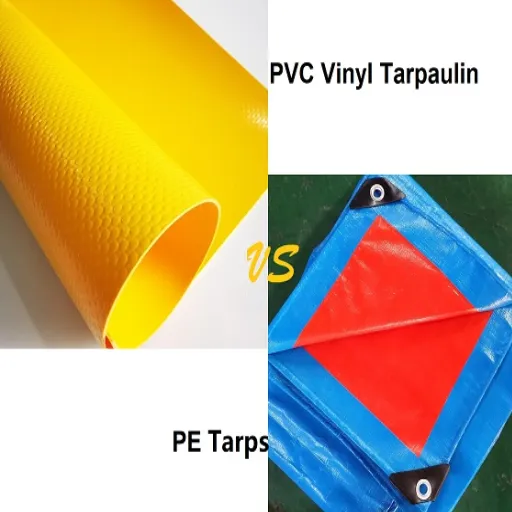
Polyethylene sheeting dominates the budget end of the market because it is cheap and widely available. However, it tears easily under wind load, degrades rapidly under UV exposure, and offers no fire resistance. Canvas provides breathability but absorbs moisture, rots over time, and weighs significantly more than PVC. For construction professionals who need reliable, long-term protection, PVC tarpaulin occupies the sweet spot between durability, weight, and cost efficiency.
The math becomes clear when you calculate cost per use. A 15 polyethylene cover might last three months on an active site before tearing. A 75 PVC tarpaulin of equivalent size lasts five years with proper care. Over that period, you would purchase twenty polyethylene covers for $300 total, while the single PVC investment costs 75% less over time. That calculation does not even account for the labor of frequent replacements or the cost of damaged materials from cover failures.
Want to see how our heavy-duty options hold up in demanding environments? Explore our complete heavy-duty tarpaulin range built specifically for industrial applications.
7 Essential Applications for PVC Tarpaulin on Construction Sites
1. Building Material Protection
Exposed lumber, drywall, insulation, and cement are vulnerable to moisture damage that can ruin entire deliveries. PVC tarpaulin creates a waterproof barrier that prevents rain absorption and condensation buildup. The material’s rigidity means it sheds water rather than pooling, and reinforced edges withstand the tension of tie-down straps without tearing.
2. Scaffolding and Work Platform Covers
Scaffolding covers protect workers from rain and falling debris while allowing adequate light transmission. Fire-retardant PVC tarpaulin is essential here because welding sparks, grinding operations, and hot work permits create ignition risks. The right cover meets safety standards while maintaining the visibility workers need to operate efficiently at height.
3. Temporary Roofing and Weatherproofing
When existing roofs are removed for renovation or new structures await permanent roofing, PVC tarpaulin provides temporary weather protection. Custom-sized sheets can span large openings without seams, and heat-welded seams create continuous waterproof barriers where standard covers would leak at overlaps. This application often requires 600+ GSM material to handle wind uplift forces.
4. Debris and Dust Containment
Urban construction projects must contain dust and debris to comply with environmental regulations and protect neighboring properties. PVC tarpaulin used for containment netting or enclosure walls traps particulates while allowing airflow. The smooth surface is also easy to clean, which matters when inspectors evaluate site cleanliness.
5. Equipment and Machinery Covers
Excavators, generators, compressors, and other equipment represent major capital investments. Leaving them exposed to rain and sun accelerates rust, degrades hydraulics, and damages electrical systems. Custom-fit PVC covers with reinforced corners and strategic grommet placement allow quick installation and removal while providing complete protection during overnight and weekend storage.
6. Ground and Floor Protection
Before permanent flooring is installed, PVC tarpaulin protects subfloors and concrete slabs from paint spills, mortar droppings, and heavy traffic. The material’s tear resistance means it withstands foot traffic and wheelbarrow loads without puncturing. After use, it cleans easily and rolls up for storage on the next project.
7. Site Perimeter and Privacy Screening
Construction sites in populated areas often require visual screening for aesthetic and security reasons. Printed PVC tarpaulin displays project branding, safety messages, or architectural renderings while blocking public view of work areas. The material’s wind resistance prevents the flapping and noise that create complaints from nearby residents.
PVC vs. Polyethylene vs. Canvas: Which Material Wins for Construction?
Choosing the wrong material for construction site protection is an expensive mistake that repeats itself every season. The table below breaks down how the three main options compare across the metrics that actually matter for building projects.
| Feature | PVC Tarpaulin | Polyethylene Sheeting | Canvas |
|---|---|---|---|
| Lifespan | 5-7 years | 1-2 years | 2-4 years |
| Waterproofing | Fully waterproof | Water-resistant (degrades) | Water-absorbent |
| UV Resistance | Excellent (UV-stabilized) | Poor (degrades in months) | Moderate |
| Fire Resistance | Available (certified) | None | Poor (flammable) |
| Tear Strength | High | Low | Moderate |
| Weight | Medium (400-900 GSM) | Light | Heavy |
| Cost per Use | Low | High (frequent replacement) | Moderate |
| Custom Sizing | Yes | Limited | Yes |
| Chemical Resistance | Excellent | Poor | Poor |
PVC tarpaulin wins on almost every metric that matters for construction. The only scenario where polyethylene makes sense is single-day coverage of lightweight materials in calm weather. Canvas works for breathable ground cover but fails anywhere moisture or fire risks exist. For construction professionals who measure value in total cost of ownership rather than purchase price, PVC is the clear choice.
The decision becomes even clearer when you factor in safety compliance. Many construction insurance policies and municipal permits require fire-resistant materials for certain applications. Only PVC tarpaulin offers certified fire-retardant options that satisfy these requirements. Using uncertified polyethylene in a fire-risk zone can void insurance coverage and expose contractors to liability. Get in touch with Linyi Chenlai Plastic Products Co., Ltd. to discuss custom PVC tarpaulin specifications, colors, thickness options, and production requirements.
Key Specifications to Look for in Construction Tarpaulins
GSM Ratings Explained
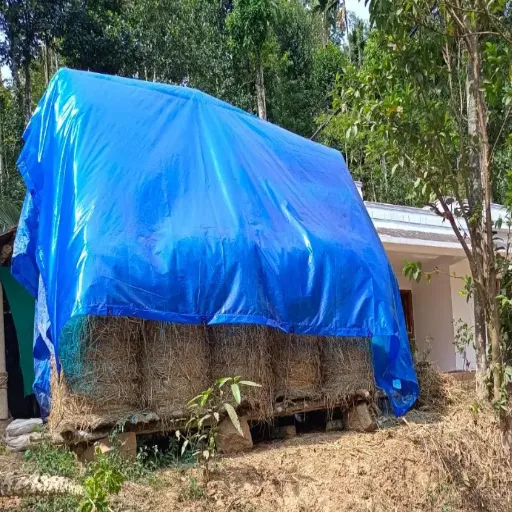
Grams per square meter measures the total weight of the base fabric plus coating. Higher GSM indicates thicker, more durable material. For construction applications, the minimum recommendation is 400 GSM for temporary indoor use, 550 GSM for standard outdoor protection, and 700+ GSM for extreme weather or high-wind environments. Do not confuse GSM with mil thickness. GSM accounts for the entire composite material, while mil thickness only measures the coating layer.
Tensile Strength and Tear Resistance
Tensile strength, measured in Newtons per 5 centimeters, indicates how much force the material can withstand before breaking. Construction-grade PVC tarpaulin should offer warp tensile strength above 2,000 N/5cm and weft tensile strength above 1,800 N/5cm. Tear strength matters equally because wind creates point stress that can propagate tears. Look for tear resistance above 300 N in both directions for reliable site performance.
UV Resistance and Weatherproofing
UV stabilizers prevent the PVC polymer from breaking down under sunlight. Without stabilization, PVC becomes brittle and cracks within months of outdoor exposure. Quality construction tarpaulin includes UV inhibitors that extend outdoor lifespan to 5+ years. Request UV resistance ratings from your supplier, and verify that the material maintains flexibility after prolonged sun exposure.
Fire-Retardant Certifications
Not all fire-resistant claims are equal. Genuine fire-retardant PVC tarpaulin carries third-party certification to recognized standards. BS 5862 Part 2 is the British standard widely accepted in international markets. NFPA 701 is the U.S. National Fire Protection Association standard for flame-resistant textiles. DIN 4102 B1 is the German classification for difficult-to-burn materials. Always request certificates of compliance rather than accepting manufacturer claims at face value.
Grommet Spacing and Reinforced Edges
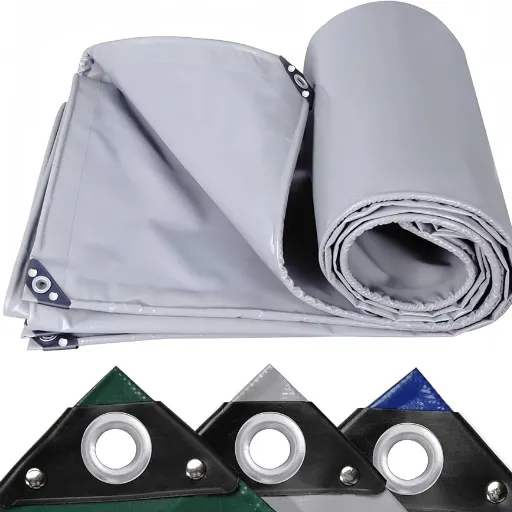
Grommets are the failure point in most tarpaulin applications. Standard covers space grommets every 100 centimeters, which creates excessive tension at each point. Construction-grade PVC tarpaulin spaces grommets every 50 centimeters for better load distribution. Reinforced hems with double-stitched or heat-sealed edges prevent the tearing that starts at attachment points. For heavy-duty applications, specify reinforced corners with additional layers of material.
Safety Compliance: Meeting Construction Site Standards
Construction sites operate under strict safety regulations, and temporary coverings are not exempt from scrutiny. Fire departments, OSHA inspectors, and insurance adjusters all evaluate whether site materials meet applicable standards. Using non-compliant covers can result in work stoppages, fines, or denied insurance claims.
Fire safety represents the most critical compliance area. Hot work operations including welding, cutting, and grinding create sparks that can ignite standard covers. A fire that starts in a tarpaulin can spread rapidly across a site, endangering workers and destroying equipment. Fire-retardant PVC tarpaulin self-extinguishes when the ignition source is removed, preventing small sparks from becoming major incidents. The NFPA reports that proper fire-resistant materials reduce construction site fire spread by up to 70%.
Wind resistance matters for both safety and compliance. Loose covers become projectiles in high winds, creating hazards for workers and passersby. Properly secured PVC tarpaulin with appropriate grommet spacing withstands wind loads that would tear polyethylene free. Municipal building codes in hurricane-prone regions increasingly specify wind-rated temporary covers for active construction.
When procurement officers evaluate suppliers, they should request documentation for all claimed certifications. A reputable manufacturer provides test reports, certificates of conformity, and batch-specific compliance data. This documentation proves invaluable during safety audits and insurance reviews. At Linyi Chenlai, every fire-retardant batch undergoes testing, and compliance certificates accompany every order.
Need certified fire-retardant tarpaulin for your next project? Contact us today for a custom quote with full certification documentation included.
Customization Options for Large-Scale Construction Projects
Standard-size tarpaulins force construction crews to piece together multiple sheets, creating seams that leak and weak points that fail. Custom-sized PVC tarpaulin eliminates these problems by delivering single-piece coverage cut to exact dimensions. The savings in labor and reduced material waste typically offset the modest premium for custom production.
Custom Sizing and Dimensions
Manufacturers can produce PVC tarpaulin in virtually any dimension, limited only by roll width and heat-seaming capabilities. For construction applications, common custom sizes include full building wraps, scaffold enclosure panels, and equipment covers shaped to specific machinery. When ordering, provide exact measurements plus allowance for fastening and tensioning. A good supplier helps calculate the optimal size including hems and grommet placement.
Color Coding and Site Organization
Construction sites use color coding to organize materials, designate work zones, and communicate safety information. Custom-colored PVC tarpaulin supports these systems by providing visually distinct covers. Orange marks hazardous material storage. Yellow designates temporary weather protection. Green indicates environmentally sensitive areas. This visual organization reduces errors and improves site efficiency.
Logo Printing and Branding
Major contractors and developers increasingly use site covers as branding opportunities. High-quality screen printing or digital printing applies logos, project names, and marketing imagery directly to PVC tarpaulin. The printed images remain visible for the material’s full lifespan, turning every site into a billboard. For developers selling pre-construction units, branded site wraps create marketing impressions before the building is complete.
Specialized Features
Beyond size and color, customization extends to functional features. Reinforced corners with additional layers handle high-stress attachment points. D-rings replace standard grommets for heavy-load applications. Velcro edges allow rapid panel connection. Windows and ventilation panels integrate into enclosure systems. Magnetic strips facilitate temporary attachment to steel structures. These specialized features transform standard covers into purpose-built construction tools.
Cost Analysis: Why PVC Tarpaulin Pays for Itself
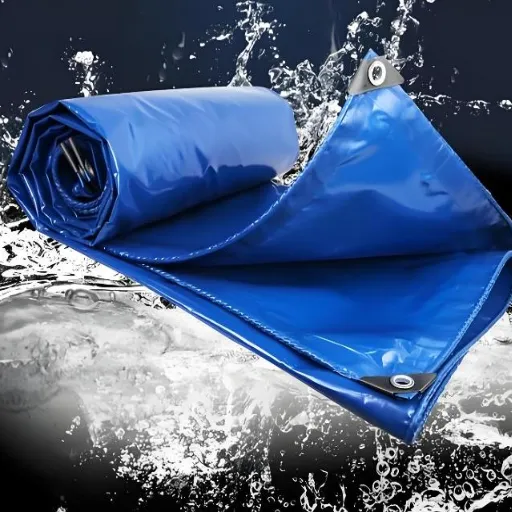
The upfront cost difference between PVC tarpaulin and polyethylene tempts many buyers toward the cheaper option. A detailed cost analysis reveals why this short-term thinking creates long-term losses.
Consider a typical commercial construction project running eighteen months. The site requires twenty 6×8 meter covers for material protection, scaffolding, and equipment. Polyethylene covers cost 12 each and last approximately two months under active site conditions. Over eighteen months, the project consumes 180 covers at a total material cost of 2,160. Labor for installation and replacement adds approximately 15 minutes per cover at 45 per hour, totaling 2,025 in labor. The combined cost is $4,185.
PVC tarpaulin covers of equivalent size cost 85 each and last the full eighteen months without replacement. Twenty covers cost 1,700. Installation requires the same labor initially, but replacement labor drops to zero. Total labor is 225. The combined cost is 1,925. The PVC option saves $2,260 over the project lifecycle, a 54% reduction in total cover expenses.
This calculation becomes more favorable for contractors managing multiple projects. A construction company with five active sites can rotate PVC tarpaulin between projects as phases complete. The same twenty covers serve all five sites over two years, reducing per-project cover costs to under $400. Polyethylene cannot match this reusability because it degrades beyond recovery after initial use.
Bulk procurement amplifies these savings further. Ordering fifty or more custom-sized covers unlocks volume pricing that reduces per-unit costs by 25-40%. For developers with multi-phase projects or nationwide operations, bulk orders of standardized sizes create consistent site appearance while minimizing procurement costs. A dedicated account manager ensures consistent quality, predictable delivery schedules, and streamlined reordering.
Maria Santos, a procurement director for a Florida-based contractor, made the switch in 2024. Her company operated twelve sites during hurricane season and replaced polyethylene covers weekly due to wind damage. After switching to 650 GSM PVC tarpaulin with reinforced grommets, cover failures dropped by 90%. Her annual cover budget fell from 28,000 to 9,500, and site managers stopped calling about weather-related material damage. The investment paid for itself in under four months.
How to Choose the Right PVC Tarpaulin for Your Construction Site
Selecting the optimal PVC tarpaulin requires matching material specifications to project conditions. Use this checklist to specify exactly what your site needs.
Step 1: Define the application. Material storage requires different specifications than scaffolding enclosures or temporary roofing. List every intended use for the covers.
Step 2: Assess environmental conditions. Document the wind loads, temperature ranges, UV exposure, and precipitation patterns at your site. Coastal and high-altitude sites demand higher specifications than sheltered urban locations.
Step 3: Determine size requirements. Measure the areas to cover and account for fastening allowances. Prefer fewer large pieces over many small ones to minimize seams.
Step 4: Specify GSM and strength ratings. Match material weight to application demands. Standard material protection needs 550 GSM. High-wind or heavy-traffic areas need 700+ GSM.
Step 5: Verify certification requirements. Check contract documents, insurance policies, and local codes for required fire ratings or safety certifications.
Step 6: Plan for customization. Evaluate whether custom sizes, colors, or printed branding would improve site operations or marketing value.
Step 7: Calculate total cost of ownership. Compare purchase price plus expected replacement costs over the project duration, not just the initial invoice.
Step 8: Evaluate supplier capabilities. Confirm that your supplier can deliver the specifications, certifications, and customizations your project requires on your timeline.
Maintenance Tips to Extend Tarpaulin Lifespan
Proper maintenance nearly doubles the effective lifespan of PVC tarpaulin. These simple practices protect your investment and ensure consistent performance.
Clean covers monthly with mild soap and water. Remove cement splatter, chemical residue, and organic debris that can degrade the PVC coating over time. Avoid harsh solvents or abrasive brushes that damage the surface.
Inspect grommets and reinforced edges quarterly. Replace damaged attachment points before they propagate tears. Small repairs made early prevent the large failures that ruin entire covers.
Store covers dry and folded loosely when not in use. PVC remains flexible in cold weather but can crack if folded tightly while frozen. Allow material to warm before unfolding in winter conditions.
Repair small punctures promptly using PVC patch kits designed for tarpaulin repair. Heat-welded patches create permanent repairs that restore full strength. Tape-based repairs work temporarily but fail under load.
Rotate covers between high-stress and low-stress applications. Covers used for temporary roofing experience more UV and wind exposure than material storage covers. Rotating them balances wear across your inventory.
Conclusion
PVC tarpaulin for construction delivers protection, compliance, and cost efficiency that polyethylene and canvas simply cannot match. The right specification protects your materials, satisfies safety inspectors, and reduces your total cost of ownership by 50% or more over a project lifecycle. From fire-retardant scaffolding covers to custom-printed building wraps, PVC tarpaulin adapts to virtually every construction application.
The key is choosing specifications that match your actual site conditions rather than defaulting to the cheapest option. Calculate total cost of ownership. Verify certifications. Consider customization. And partner with a manufacturer who understands construction site demands.
Ready to protect your next project with construction-grade PVC tarpaulin? Request a custom quote tailored to your specifications, or browse our waterproof tarpaulin range for immediate site protection solutions.