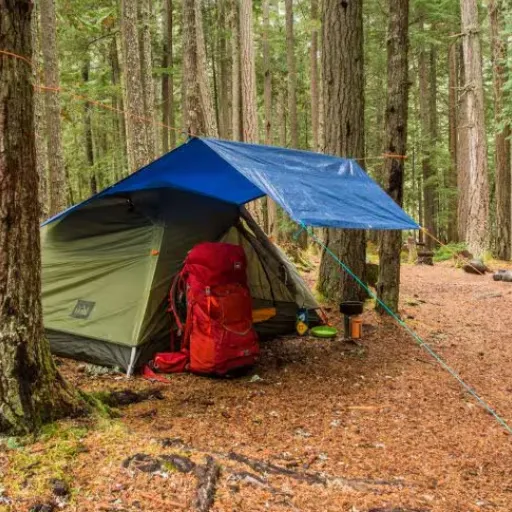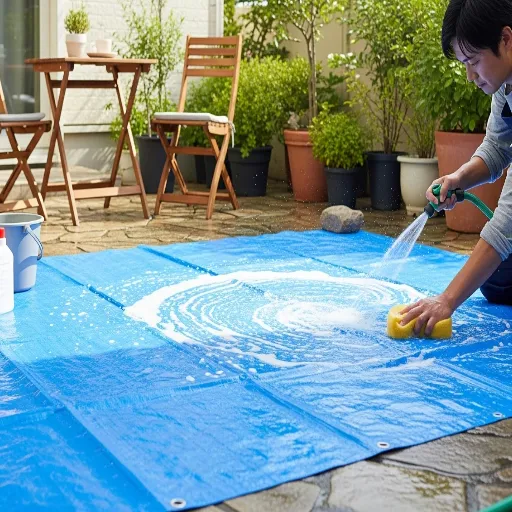
To clean waterproof tarpaulin, lay it flat, rinse with lukewarm water, scrub gently with mild soap and a soft brush, rinse thoroughly, and air dry completely before storage. Avoid pressure washers, machine washing, and harsh chemicals, which can strip waterproof coatings and shorten your tarp’s lifespan by 50% or more.
Maria Chen runs a 40-acre vegetable farm in Shandong Province. Last spring, she pressure-washed her crop-cover tarpaulin to remove mud after a heavy storm. Within two months, the waterproof coating had peeled away in strips, and water started seeping through during the next rainfall. The tarp she expected to last five years failed in under six months. Maria’s story is more common than you might think.
At Linyi Chenlai Plastic Products Co., Ltd., we have manufactured millions of square meters of tarpaulin for agricultural, construction, and industrial clients worldwide. We have seen how proper cleaning and maintenance can extend a tarp’s service life from 2 seasons to over 10 years. This guide shares the exact step-by-step process our engineers recommend, tailored to each material type and use case. If you have any questions or need further assistance, don’t hesitate to get in touch with us.
Key Takeaways
- Clean waterproof tarpaulin by hand with mild soap, lukewarm water, and a soft brush, then air dry completely before storage.
- PVC tarpaulins tolerate slightly warmer water and gentle scrubbing, while PE and PP tarps need cooler water and lighter pressure.
- Pressure washing and machine washing strip waterproof coatings and can tear reinforced edges.
- Roll, do not fold, your tarpaulin for storage to prevent crease points that weaken the material over time.
- A well-maintained tarpaulin lasts 5-10 years; a neglected one often fails in 1-2 seasons.
Why Proper Cleaning Matters
How Dirt and Grime Damage Tarpaulin Over Time
Dirt, dust, and organic matter might look harmless on the surface of your tarpaulin. Left unchecked, they become abrasive particles that grind against the material every time wind shifts the fabric. This micro-abrasion gradually thins the protective coating, compromising both waterproof performance and UV resistance.
Mud and agricultural residue present an even bigger threat. When damp soil or plant matter sits against a tarpaulin for extended periods, it traps moisture against the surface. This creates the perfect environment for mold and mildew growth, which can reduce tensile strength by 15-30% if left untreated. According to textile research, UV exposure accounts for up to 80% of degradation in outdoor fabric applications, but accumulated grime accelerates UV damage by creating hotspots where the material heats unevenly.
The Cost of Neglect vs. Regular Maintenance
A well-maintained PVC tarpaulin typically lasts 5-7 years, while a PE tarpaulin serves reliably for 2-4 years with proper care. Neglect cuts those numbers in half. For a commercial agricultural operation using twenty 20×30-meter tarps, premature replacement can cost thousands of dollars annually.
The good news is that regular cleaning takes minimal time and zero specialized equipment. Most tarpaulins need only a thorough hand-washing every 2-3 months during active use. That small investment of time pays for itself many times over in extended product life and maintained waterproof performance.
Want to protect your investment from day one? Browse our range of heavy-duty tarpaulins engineered for demanding environments.
Supplies You’ll Need for Tarpaulin Cleaning
Essential Cleaning Tools
Gather these items before you start. Having everything ready prevents interruptions that could leave your tarpaulin sitting damp for too long.
- Mild dish soap or pH-neutral detergent — Avoid anything with bleach, ammonia, or strong solvents.
- Soft-bristle brush or sponge — A car-wash brush with extendable handle works well for large tarps.
- Garden hose with adjustable nozzle — Set to low or medium pressure, never jet stream.
- Two large buckets — One for soapy water, one for clean rinse water.
- Clean, flat surface — A driveway, patio, or smooth lawn area free of gravel and debris.
- Soft, dry towels — For patting excess water before air drying.
Choosing the Right Cleaning Solution
For routine cleaning, a few drops of mild dish soap in a bucket of lukewarm water does the job perfectly. The soap breaks down grease and dirt without attacking the waterproof coating.
For PVC tarpaulins, you can use a slightly warmer water temperature, up to 40 degrees Celsius. The PVC material tolerates gentle heat well. For PE and PP tarpaulins, stick to cool or room-temperature water. Warmer water can soften the polyethylene coating and make it more vulnerable to abrasion during scrubbing. We’re here to help! Feel free to contact our team for more information or support.
What to Avoid
Never use these products on any type of waterproof tarpaulin:
- Bleach or chlorine-based cleaners
- Ammonia or strong alkaline solutions
- Solvents, acetone, or mineral spirits
- Abrasive scrubbers or steel wool
- Pressure washers
- Washing machines or dryers
How to Clean Waterproof Tarpaulin: Step-by-Step
Follow this six-step process for safe, effective cleaning every time. This method works for PVC, PE, and PP tarpaulins. We cover canvas separately in the next section.
Step 1: Preparation and Surface Debris Removal
Spread the tarpaulin on a clean, flat surface. A smooth concrete driveway, wooden deck, or well-mowed lawn works well. Avoid gravel or rough ground that could scratch the underside.
Shake off loose debris. Use a soft broom or your hands to sweep away leaves, twigs, and loose dirt. Pay attention to seams and grommet areas where debris tends to collect.
Step 2: Initial Rinse
Use a garden hose on low or medium spray setting to rinse the entire surface. Start at one corner and work systematically across the tarp. This initial rinse removes grit that could scratch the material during scrubbing.
Work from the top down if the tarp is on a slope. Gravity helps carry loosened dirt away rather than pushing it back into areas you have already cleaned.
Step 3: Apply Cleaning Solution
Fill a bucket with lukewarm water and add a small amount of mild dish soap. Mix until you see light suds. Dip your soft brush or sponge into the solution and apply it evenly across the tarpaulin surface.
Work in manageable sections, roughly 2-3 square meters at a time. This prevents the soap from drying on the surface before you have a chance to scrub and rinse.
Step 4: Gentle Scrubbing Technique
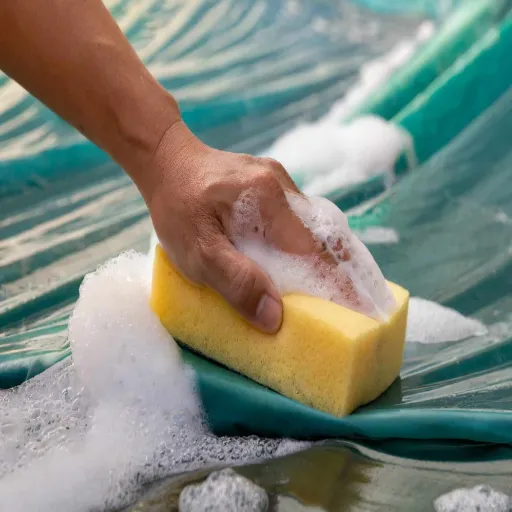
Use light, circular motions with your soft brush. Apply only enough pressure to lift dirt. Let the soap do the work rather than forcing it with elbow grease.
Scrub along the weave direction when possible. For reinforced seams and edges, use extra care. These areas bear the most stress during use, and aggressive scrubbing here can weaken stitching or adhesive bonds.
Step 5: Thorough Rinse
Rinse each section completely before moving to the next. Soap residue left on the surface can attract new dirt and may degrade the waterproof coating over time.
Run your hand over the rinsed surface. If it feels slick or soapy, rinse again. The surface should feel clean and slightly textured, not slippery.
Step 6: Proper Drying
Hang the tarpaulin over a clothesline, fence, or between two supports. Choose a shaded, well-ventilated area. Direct sunlight during drying can cause UV damage and uneven heating that warps the material.
Allow the tarpaulin to dry completely on both sides. A large tarp may need 4-6 hours in good airflow. Never fold or store a damp tarpaulin. Even slight moisture trapped in folds will breed mold within days. Have inquiries? Reach out to us, and we’ll be happy to assist you with any concerns.
Cleaning Methods by Material Type
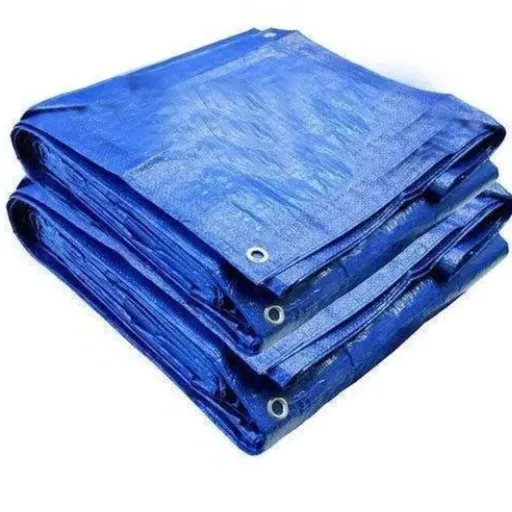
Not all tarpaulins are created equal. The material determines which cleaning approach works best. Here is how manufacturers clean each major type.
PVC Tarpaulin Cleaning
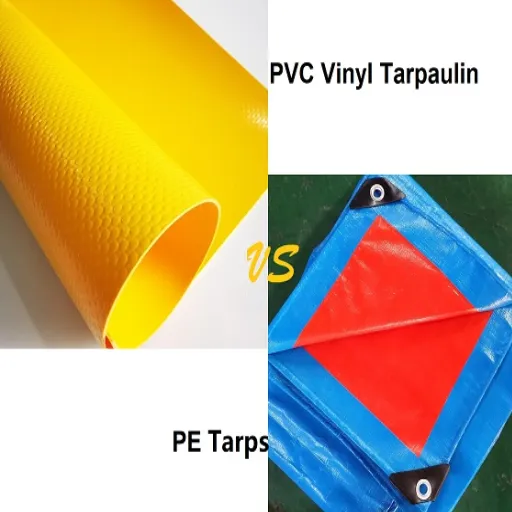
PVC tarpaulins are the most forgiving material to clean. Their non-porous surface resists staining and allows for slightly more vigorous scrubbing than other types.
Use lukewarm water up to 40 degrees Celsius with mild dish soap. A soft sponge or microfiber mop works well for large PVC tarps. Rinse thoroughly, as PVC can hold a thin soap film that attracts dust.
After cleaning, inspect the surface for micro-scratches. Over time, these tiny abrasions create paths for UV penetration. If your PVC tarp sees heavy outdoor use, consider applying a UV-protectant spray designed for outdoor vinyl after every third or fourth cleaning.
PE (Polyethylene) Tarpaulin Cleaning
PE tarps are lightweight and economical, but their waterproof coating is more delicate than PVC. Use cool water only. Warm water softens the polyethylene layer and makes it prone to damage.
Scrub gently with a soft sponge, never a brush with stiff bristles. PE tarps tear more easily than PVC, so avoid walking on them during cleaning. Use a long-handled tool to reach the center from the edges.
Our waterproof tarpaulin sheets come in both PVC and PE options. Contact us to find the right material for your application.
PP (Polypropylene) Tarpaulin Cleaning
PP tarpaulins share characteristics with both PVC and PE. They are more durable than PE but lighter than PVC. Clean PP tarps with cool to lukewarm water and mild soap.
The woven structure of PP tarps can trap dirt in the fabric gaps. Use a soft-bristle brush gently along the weave lines to dislodge embedded particles. Rinse extra thoroughly, as trapped soap can cause stiffness.
Canvas Tarpaulin Cleaning
Canvas tarps require the most careful treatment. Their waterproofing comes from wax or chemical treatments applied after weaving, not from an inherent coating. Aggressive cleaning strips these treatments away.
Use cold water and a non-detergent soap formulated for delicate fabrics. Never use hot water, bleach, or strong detergents. After cleaning, check the water resistance by sprinkling a few drops on the surface. If water no longer beads up, you will need to re-apply a canvas waterproofing treatment before returning the tarp to service.
Comparison Table: Cleaning Methods by Material
| Feature | PVC Tarpaulin | PE Tarpaulin | PP Tarpaulin | Canvas Tarpaulin |
|---|---|---|---|---|
| Water Temperature | Lukewarm (up to 40C) | Cool only | Cool to lukewarm | Cold only |
| Scrubbing Tool | Soft brush or sponge | Soft sponge only | Soft-bristle brush | Soft sponge |
| Soap Type | Mild dish soap | Mild dish soap | Mild dish soap | Non-detergent soap |
| Pressure Washer | Never | Never | Never | Never |
| Drying Method | Air dry in shade | Air dry in shade | Air dry in shade | Air dry in shade |
| Re-treatment Needed | UV spray optional | Not applicable | Not applicable | Waterproofing wax required |
| Typical Lifespan | 5-7 years | 2-4 years | 3-5 years | 4-6 years |
Removing Stubborn Stains and Mold
Mold and Mildew Removal
Mold is the enemy of any tarpaulin. It weakens fibers, creates unpleasant odors, and spreads quickly if left untreated.
For PVC and PE tarps, mix one part white vinegar with four parts water. Spray or sponge the solution onto affected areas and let it sit for 10-15 minutes. Scrub gently with a soft brush, then rinse thoroughly. Sunlight exposure after cleaning helps kill remaining spores.
For canvas tarps, use a weaker vinegar solution, one part vinegar to ten parts water. Canvas is more absorbent, and stronger solutions can damage the fibers. Never use bleach on canvas, as it destroys the fabric structure.
David Okonkwo manages a construction site in Lagos where heavy rains are common. He noticed black mildew spreading across his site-protection tarpaulin after three weeks of continuous use. Using the vinegar solution method above, he treated the affected areas during a dry weekend. The mildew cleared completely, and the tarp continued protecting his cement stockpile for another two years. David now inspects his tarps weekly and treats spots before they spread.
Tree Sap and Oil Stains
Tree sap requires a different approach. Do not scrape it, as this can tear the fabric. Instead, apply a small amount of rubbing alcohol or an oil-based cleaner like Goo Gone to a clean cloth. Gently dab the sap until it dissolves, then wash the area immediately with soap and water.
For oil and grease stains, apply dish soap directly to the stain and let it sit for 15-20 minutes. The surfactants in dish soap break down oil molecules effectively. Rinse with warm water and repeat if needed.
Rust and Mineral Deposits
Hard water and metal contact can leave rust or mineral stains on tarpaulin surfaces. Make a paste from lemon juice and baking soda. Apply to the stain, let sit for 30 minutes, then scrub gently and rinse. This natural method avoids the harsh acids found in commercial rust removers.
When to Use Specialized Cleaners
For industrial tarps exposed to chemicals, cement dust, or heavy grease, biodegradable degreasers designed for outdoor fabrics may be necessary. Always test any specialized cleaner on a small, hidden area first. Wait 24 hours to check for discoloration or coating damage before applying to the full surface.
Have inquiries? Reach out to us, and we’ll be happy to assist you with any concerns.
Cleaning Large and Industrial Tarpaulins
Challenges with Oversized Tarpaulins
Agricultural crop covers, construction site enclosures, and truck tarpaulins often measure 10 meters or more per side. These tarps are too large to spread flat in most cleaning areas. They are also heavy when wet, making them difficult to move and hang for drying.
Cleaning Without Full Spreading
For oversized tarps, fold the material into manageable sections, approximately 2-3 meters wide. Clean one section at a time, keeping the rest folded on a clean surface. Unfold and refold to expose new sections as you progress.
Use a long-handled soft brush or extendable car-wash mop to reach the center without stepping on the material. Work systematically from one end to the other to avoid missing spots or re-soiling cleaned areas.
Equipment and Techniques for Industrial Scale
For businesses cleaning multiple large tarps regularly, consider these efficiency improvements:
- Elevated wash racks — Metal frames that hold tarps vertically for spray cleaning
- Low-pressure foam applicators — Apply cleaning solution evenly across large surfaces
- Industrial fans — Speed drying time in covered areas when outdoor shade is limited
- Rolling storage tubes — PVC pipes 10-15 cm in diameter for rolling and storing large tarps without folds
The global tarpaulin market is projected to reach $10.5 billion by 2028, driven by demand for durable, reusable covers. Proper cleaning and maintenance practices help businesses maximize their investment in this essential protective equipment.
Drying and Storage Best Practices
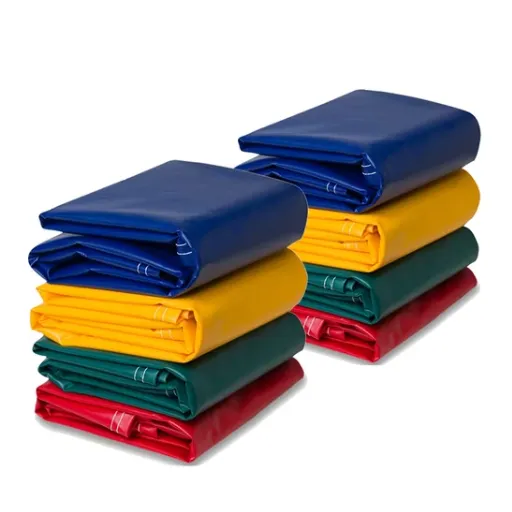
Why Complete Drying Is Critical
Moisture is the single biggest threat to stored tarpaulins. Even a slightly damp fold creates a dark, humid microclimate perfect for mold growth. Within 48 hours, musty odors appear. Within a week, visible mildew forms. Once mold establishes itself in stored tarps, it spreads to adjacent materials and becomes difficult to eradicate.
After cleaning, hang your tarpaulin in a shaded, breezy area until every surface feels completely dry to the touch. Test seams and folded areas, as these trap moisture longest.
Rolling vs. Folding for Storage
This might surprise you: rolling your tarpaulin adds years to its life compared to folding. Folding creates sharp crease lines that stress the material at the same points every time. Over repeated foldings, these creases become weak points where cracks and tears begin.
Rolling distributes stress evenly across the entire surface. Roll loosely, not tightly. A roll diameter of 20-30 cm works well for most tarpaulins. Secure with fabric straps or soft rope, never with wire or tight elastic that can indent the material.
Ideal Storage Conditions
Store rolled tarpaulins in a cool, dry, dark place. Ideal conditions include:
- Temperature between 10-25 degrees Celsius
- Relative humidity below 60%
- Protection from direct sunlight and UV exposure
- Distance from heat sources, chemicals, and sharp objects
- Elevated slightly off concrete floors to prevent moisture transfer
Seasonal Storage Checklist
Before storing tarpaulins at the end of a season, run through this checklist:
- Clean thoroughly following the six-step process
- Inspect for tears, loose grommets, or edge fraying
- Repair minor damage before storage
- Dry completely on both sides
- Roll loosely with fabric side out
- Store in a breathable cover, not plastic bags
- Label with size and material type for easy identification
How Often Should You Clean Your Tarpaulin?
Cleaning Frequency by Use Case
The right cleaning schedule depends on how and where you use your tarpaulin. Here are manufacturer-recommended guidelines.
Agricultural Tarpaulin Schedule:
- Weekly: Shake off debris and inspect for damage during active growing seasons
- Monthly: Rinse with clean water to remove dust and pollen buildup
- Every 2-3 months: Full soap cleaning during heavy use periods
- End of season: Deep clean, repair, and store properly
Construction Site Schedule:
- Daily: Remove cement splatter before it hardens
- Weekly: Sweep away dust and debris accumulation
- Monthly: Full cleaning with inspection for punctures or tears
- Post-project: Deep clean before storage or relocation
Event and Occasional Use Schedule:
- Before storage: Always clean after each use
- Before deployment: Quick rinse if stored for more than 3 months
- Annual: Deep clean and UV treatment inspection
Common Cleaning Mistakes to Avoid
Machine Washing and Pressure Washing Risks
Most tarpaulin damage during cleaning comes from two sources: machine washing and pressure washing. Both seem like convenient shortcuts. Both cause serious harm.
Machine washing twists and agitates tarpaulin material against metal drums. The mechanical stress tears grommets, weakens seams, and strips waterproof coatings. The heavy, wet tarp can also damage your washing machine’s drum bearings. The few minutes you save cost you a tarpaulin and possibly an appliance.
Pressure washing strips protective coatings with brute force. Even low-pressure settings blast water into seams and beneath edge reinforcements. The concentrated jet creates microscopic holes that expand into tears under wind load. If you need to rinse a large area quickly, use a garden hose on its widest spray setting instead. We value your feedback! Get in touch with us to share your thoughts or ask for help.
Using the Wrong Chemicals
Harsh chemicals attack tarpaulin materials at the molecular level. Bleach breaks down PVC plasticizers, making the material brittle. Ammonia degrades polyethylene coatings. Solvents dissolve adhesives used in seam sealing and reinforcement.
Stick to mild, pH-neutral soaps. If a cleaning product label warns against use on plastics or vinyl, it is not safe for your tarpaulin.
Storing Damp Tarpaulin
We cannot emphasize this enough. A damp tarpaulin in storage is a mold farm. The moisture combined with darkness and warmth creates ideal conditions for fungal growth. Once mold takes hold, it produces acids that further degrade the material.
If you must store a tarp before it is fully dry, unroll it and dry it completely at the first opportunity. Do not leave it folded and damp for more than a few hours.
Ignoring Minor Damage
Small tears and loose grommets worsen quickly. A 2-centimeter tear becomes a 20-centimeter rip under wind stress. A single missing grommet shifts load to adjacent fixtures, causing cascading failures.
Clean your tarpaulin in good light so you can spot damage. Address minor repairs immediately with PVC repair kits or patches. Clean and dry the damaged area before applying adhesive for the strongest bond. We value your feedback! Get in touch with us to share your thoughts or ask for help.
Eco-Friendly Tarpaulin Cleaning
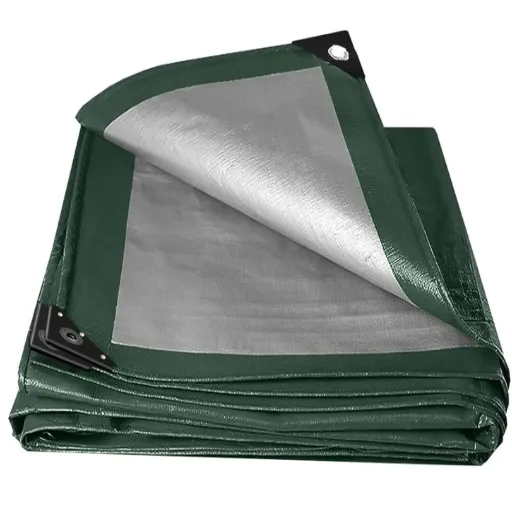
Biodegradable Cleaning Solutions
Businesses focused on sustainability can maintain their tarpaulins without harsh chemicals. Several eco-friendly options clean effectively while reducing environmental impact.
Plant-based dish soaps with biodegradable formulas work as well as conventional soaps for routine cleaning. Castile soap, diluted at one tablespoon per gallon of water, handles light to moderate soiling on all tarpaulin types.
For mold treatment, vinegar remains the gold standard eco-friendly option. It is non-toxic, biodegradable, and leaves no harmful residue. Baking soda paste handles most stain removal without introducing synthetic chemicals.
Water Conservation Tips
Large tarpaulin cleaning uses significant water. Consider these conservation strategies:
- Collect rinse water for irrigation or dust suppression on construction sites
- Clean multiple tarps sequentially using the same soapy water batch
- Spot-clean when possible rather than washing the entire surface
- Time cleaning before forecasted rain to let nature handle the rinse
Sustainable Maintenance Practices
Extend the life of your existing tarpaulins through proactive care. The most sustainable product is the one you do not need to replace. Regular cleaning, prompt repairs, and proper storage reduce replacement frequency and the associated environmental footprint of manufacturing and shipping new products.
At Linyi Chenlai Plastic Products Co., Ltd., we offer eco-friendly tarpaulin options manufactured with sustainable materials and processes. Combining sustainable products with green maintenance practices creates a genuinely environmentally responsible solution.
When to Clean vs. When to Replace
Signs Your Tarpaulin Needs Replacement
Even the best-maintained tarpaulin eventually reaches end of life. Know the signs:
- Widespread coating failure — Water soaks through multiple areas rather than beading up
- Tears near seams or grommets — Structural damage that repairs cannot restore
- Brittleness and cracking — Material breaks when flexed gently
- Persistent mold — Deep mold infestation that cleaning cannot eliminate
- UV-induced fading and powdering — Surface turns chalky and weak
Extending Life Through Proper Care
Most tarpaulins fail prematurely from neglect, not material limits. The PVC tarpaulin you expected to last seven years might fail in two if stored damp and dirty. The same tarp, cleaned regularly and stored properly, often exceeds its rated lifespan.
Track your cleaning and inspection schedule. Note any damage and repairs. This simple record-keeping helps you predict replacement needs and budget accordingly. It also demonstrates to suppliers exactly how you used the product if warranty claims arise.
Frequently Asked Questions
Can I put my waterproof tarpaulin in a washing machine?
No. Machine washing damages waterproof coatings, tears grommets, and can break your washing machine. Always clean tarpaulins by hand on a flat surface.
Is it safe to use a pressure washer on tarpaulin?
No. Pressure washers strip protective coatings and can blast holes through the material. Use a garden hose on a low or medium spray setting instead.
How do I remove mold from my tarpaulin without bleach?
Mix one part white vinegar with four parts water. Spray onto affected areas, let sit 10-15 minutes, scrub gently, and rinse thoroughly. Sunlight exposure after cleaning kills remaining spores.
What is the best way to dry a large tarpaulin?
Hang it over a clothesline, fence, or between supports in a shaded, well-ventilated area. Allow 4-6 hours for complete drying on both sides. Never store a tarpaulin until it is 100% dry.
Should I fold or roll my tarpaulin for storage?
Roll it. Rolling prevents sharp creases that become weak points over time. Roll loosely and secure with fabric straps.
Can I use bleach to clean my PVC tarpaulin?
Avoid bleach on all tarpaulin types. Bleach breaks down PVC plasticizers and degrades PE coatings. Use mild soap and water for routine cleaning.
How often should I clean my agricultural tarpaulin?
Rinse monthly during active use, deep clean every 2-3 months, and always clean before seasonal storage. Clean immediately after exposure to mud, chemicals, or heavy storms.
What temperature water should I use for cleaning?
Use lukewarm water up to 40 degrees Celsius for PVC tarps. Use cool water only for PE and canvas tarps. Never use hot water, as it can shrink or soften protective coatings.
Conclusion
Knowing how to clean waterproof tarpaulin properly transforms a disposable mindset into a long-term investment strategy. The six-step process is straightforward: prepare, rinse, soap, scrub, rinse again, and dry completely. Match your technique to your material type. Avoid pressure washers, machine washing, and harsh chemicals. Roll, do not fold, for storage.
A well-maintained tarpaulin lasts 5-10 years. A neglected one often fails in 1-2 seasons. The difference is not the material quality. It is the care you give it.
At Linyi Chenlai Plastic Products Co., Ltd., we engineer waterproof tarpaulins designed for demanding agricultural, construction, and industrial applications. Whether you need standard sizes or fully custom solutions, our team can help you find the right product and keep it performing for years.
Ready to upgrade your tarpaulin collection? Contact us today for a free quote on heavy-duty, waterproof, or custom tarpaulins tailored to your exact specifications.