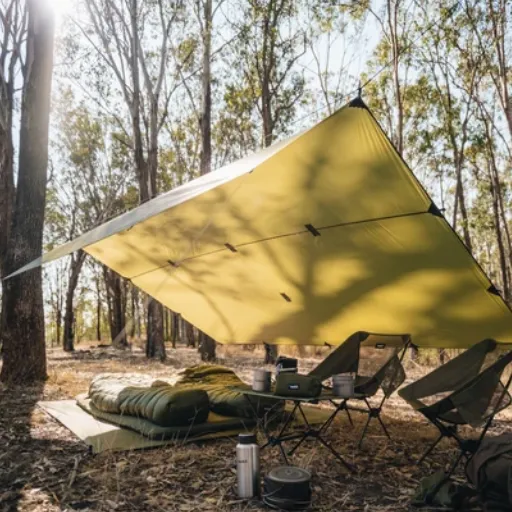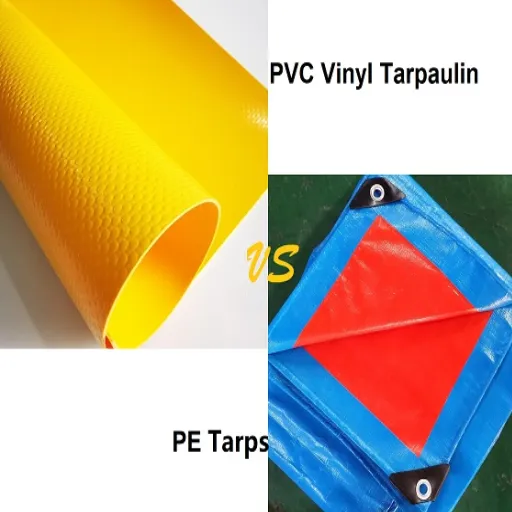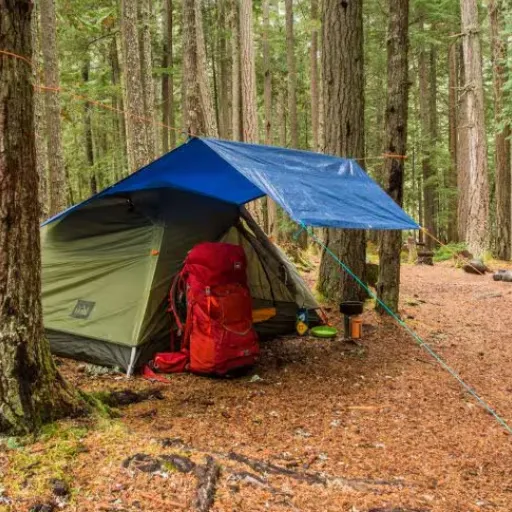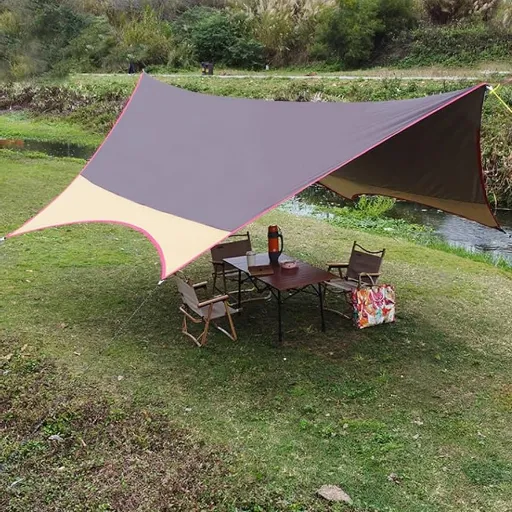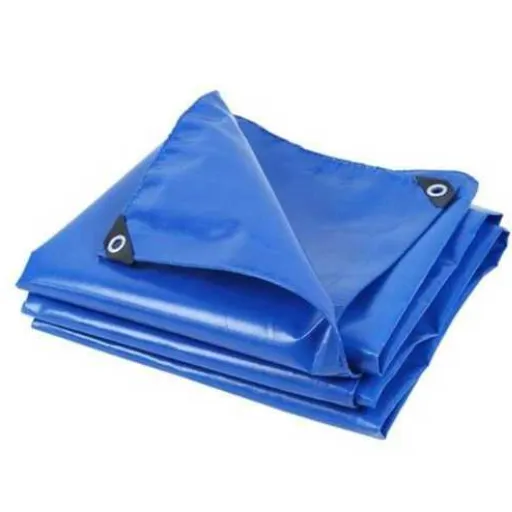
To be custom means that it has been expressly manufactured for the client;, that is, it stretches to the customer’s required measurements and, often minimizes the incidence of errors. It is because one may never change standard tarps to suit certain sizes that are not just comfortable. Which is due to the fact that they allow the client to change some components to make it oversized.
But what happens if, for instance, a project comes up that requires a tarpaulin that is not in existence? This is the situation many companies find themselves year in and year out. Off-the-shelf goods leave some spots unattended, contain materials which rate of wearing-off is quickly or do not have the certification your branch requires.
We see what you are striving at here. Being in charge of an agricultural deep or surface irrigation system developing similar features, dealing with an oil distribution network, or whatever is the matter one has, a properly designed safety requirement is needed. This manual teaches you with step-by-step guide on purchase of custom waterproof tarpaulin and how it works. We will show you how to create batch sheet, select, familiarize with methods of submission and storage of information. The goal is to make people procure the quality supplied products. We’re here to help! Feel free to contact our team for more information or support.
Key Takeaways
- Custom waterproof tarpaulin is manufactured to your exact specifications, eliminating the compromises of standard sizes.
- Material choice (PVC, PE, or PP), GSM rating, and functional coatings determine performance, lifespan, and cost.
- A transparent five-step ordering process (requirements, quote, sampling, production, delivery) ensures predictable outcomes.
- Construction, agriculture, transportation, and events each demand different customization priorities.
- Requesting proper certifications (ISO, fire safety, environmental compliance) protects your investment and meets regulatory requirements.
What Is Custom Waterproof Tarpaulin?
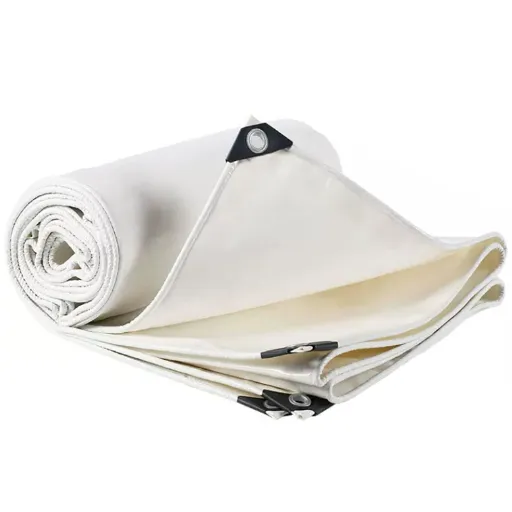
Custom waterproof tarpaulin refers to protective sheeting manufactured to order rather than pulled from pre-made inventory. The global tarpaulin sheets market is valued at approximately USD 7.8 billion in 2026, driven largely by industries that cannot protect their assets with one-size-fits-all solutions. Custom manufacturing addresses this gap by tailoring every element of the product to the buyer’s needs.
How It Differs from Standard Tarpaulins
When you contract for the manufacture of standard tarpaulin, companies offer recut or customized sizes only. As a result, the standard range of sizes tarpaulin will not meet your specific requirements in all likelihood. Custom waterproof tarpaulins, on the other hand, are not constrained by these limitations. You can customize the dimensions, weight, design, color, print, and distribution of eyelets or D-rings.
Moreover, the production method is different. Standard goods are all made in one bunch, however the custom orders has several stages: the approval of images and specifications, the manufacturing of the samples and the processing of the order. And because everybody involved in this extra process will achieve the desired results over every square of your materials.
When Custom Sizing Makes Sense
You should consider custom waterproof tarpaulin when any of the following apply:
- Your coverage area does not match standard dimensions, leaving exposed gaps or excessive overlap.
- You need specific material properties, such as flame retardancy, UV stabilization, or cold-crack resistance.
- Branding is important, and you require logo printing or color matching.
- Your industry mandates certifications that standard products do not carry.
- You are ordering at volume and want to optimize material usage to reduce waste and cost.
Want to explore what customization looks like for your industry? Browse our heavy-duty tarpaulin options to see the range of materials and features available.
Customization Options Available for Waterproof Tarpaulin
The value of a custom order lies in the breadth of options you can specify. From the base fabric to the final hem treatment, every element can be tailored. Below is a breakdown of the core customization categories.
Size and Dimension Customization
Almost any flat dimension can be accommodated in the manufacture of a custom waterproof and durable tarpaulin. Heat-sealing makes possible the creation of harder to manufacture, wider sheets by connecting numerously smaller panels. The only constraints on its length are transporting specifications and the space available in the warehouse.
Where the application is rolled up, for example a tarpauline mounted on a truck or deployed by robotics, it is possible to describe exact roll width and roll length. Done in precision, the cutting guarantees that the construction on which the material is being used is maintained in dimension to the closest centimeter that the client proposed.
Material and Weight Selection
The base material determines durability, flexibility, waterproofing performance, and cost. The three primary options are:
| Material | Weight Range | Best For | Typical Lifespan |
|---|---|---|---|
| PVC Coated Polyester | 300gsm – 1,200gsm | Heavy-duty industrial, transportation, construction | 5 – 15 years |
| Polyethylene (PE) | 80gsm – 300gsm | Agriculture, temporary covers, general use | 1 – 5 years |
| Polypropylene (PP) | 60gsm – 200gsm | Light-duty, breathable applications | 1 – 3 years |
PVC coated polyester offers the highest durability and is the standard for heavy-duty tarpaulin applications. PE provides an economical alternative for shorter-term use. PP is breathable and works well where moisture vapor needs to escape.
The weight, measured in grams per square meter (GSM), directly correlates with thickness and strength. Higher GSM means greater tear resistance, abrasion protection, and wind load capacity. However, it also increases weight and cost.
Color Matching and Digital Printing
Usual palette that is used is represented by such colors as blue, green, white, grey, red, yellow, black, and transparent. However, some manufacturers might need to blend paints on the basis of RAL, Pantone or custom designs.
Digital printing enables the processing of high-quality images and safety signs in the form of text and patterns directly on the surface of the material. This proves especially useful for construction and building sites where such facilities are required, for event companies that have to showcase their sponsors and for logistics companies that need to display their company logo on the covers of trucks so as to avoid any sign of theft that calls for investigation.
Functional Treatments and Coatings
Beyond the base material, you can specify surface treatments that enhance performance:
- UV Resistance: Essential for outdoor use. UV inhibitors prevent degradation, fading, and brittleness caused by prolonged sun exposure.
- Flame Retardancy: Required for construction sites, industrial facilities, and public events. Certifications include B1, B2, M2, NFPA 701, and EN standards.
- Anti-Mildew and Anti-Fungal: Protects against mold growth in humid or wet environments.
- Cold Crack Resistance: Ensures flexibility in temperatures as low as -30 degrees Celsius.
- Anti-Static: Critical for flammable or explosive environments such as oil fields and chemical plants.
- Self-Cleaning: PVDF or titanium dioxide coatings reduce dirt adhesion and maintenance requirements.
Structural Features
Hardware and edge treatments affect how the tarpaulin is installed and how it performs under stress:
- Eyelets and Grommets: Brass, aluminum, or stainless steel. Spacing can be adjusted to match your fastening system.
- Reinforced Hems: Double-stitched, heat-sealed, or rope-reinforced edges distribute tension and prevent tearing.
- Pockets and Flaps: For tensioning systems, pole sleeves, or overlapping joints.
- Reinforced Corners: Extra layers of material at high-stress points.
How to Choose the Right Custom Waterproof Tarpaulin
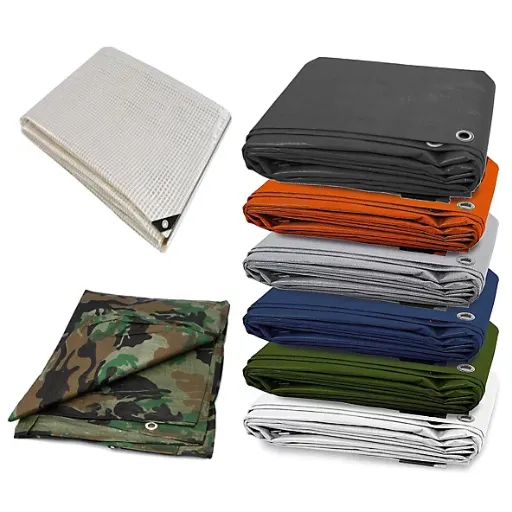
Selecting the correct specification requires matching your application to material properties. The wrong choice leads to premature failure, safety risks, or unnecessary expense.
Assessing Your Application Environment
Start by answering three questions:
- What will the tarpaulin cover? Equipment, crops, building materials, vehicles, or people? Each demands different protection levels.
- What environmental conditions will it face? Sun exposure, rainfall, wind speed, temperature range, and chemical contact all influence material selection.
- How long will it remain in place? A three-day event cover has vastly different requirements than a permanent agricultural installation.
Matching GSM Rating to Use Case
GSM selection balances durability against handling convenience and cost:
- 200-400gsm: Light-duty applications such as temporary event covers, dust sheets, and short-term agricultural use.
- 400-700gsm: Medium-duty use including equipment covers, small construction enclosures, and general industrial storage.
- 700-1,000gsm: Heavy-duty applications such as truck covers, large construction scaffolding enclosures, and long-term outdoor storage.
- 1,000gsm+: Extreme-duty use including industrial curtains, marine applications, and environments with high abrasion or wind loads.
Since Maria Hernandez stepped in for Valencia’s family-run agrarian complex, she didn’t really optimize the investment climate: a greenhouse tent that was patched five times in two years fell on her head immediately. She did not have time to get used to the 120-gram PE sheeting, which was hopelessly inefficient because of the blistering desert heat and storms. After ringing the changes with a forecasting 650 gram kiln-resistant, a double-sided reinforced PVC removable cover with polyfabric impregnation and aluminum eyelets every 50cm, the frequency of cover renewal dropped from the former two times a year to once in eight years. It was more expensive to purchase initially, but the annual results of costs fell more than by 60 percent.
Climate and Weather Considerations
Your local climate should drive several specification decisions:
- High UV environments: Prioritize UV-resistant coatings and darker colors that resist fading.
- Heavy rainfall regions: Ensure adequate GSM and fully sealed seams. Consider sloped designs that promote water runoff.
- High wind areas: Specify reinforced edges, more frequent grommets, and heavier GSM to resist uplift.
- Cold climates: Request cold-crack-resistant formulations that remain flexible at low temperatures.
- Coastal or chemical environments: Specify anti-corrosion hardware and chemical-resistant coatings.
The Custom Order Process: From Specification to Delivery
One of the biggest concerns buyers have is uncertainty about how the ordering process works. A transparent workflow removes that anxiety and sets clear expectations.
Step 1: Defining Your Requirements
Begin by documenting your needs in detail. Include dimensions, intended use, environmental conditions, required certifications, color preferences, printing requirements, and hardware specifications. The more precise you are at this stage, the more accurate your quote and final product will be.
Step 2: Requesting a Quote
Submit your requirements to the manufacturer. A detailed RFQ (request for quotation) should include:
- Exact dimensions (length, width, and quantity).
- Material type and GSM.
- Color and printing details.
- Functional treatments required.
- Hardware specifications.
- Delivery location and timeline.
The manufacturer will review your specification, confirm feasibility, and provide pricing. At this stage, you can also discuss minimum order quantities (MOQs) and bulk pricing.
Ready to get specific about your project? Contact our team with your requirements and receive a detailed quote within 24 hours.
Step 3: Sampling and Approval
For larger orders or complex specifications, request a production sample. This small piece of material lets you verify color accuracy, print quality, material feel, and hardware placement before full production begins. Review the sample against your requirements and approve or request adjustments.
Step 4: Production and Quality Control
Once approved, production begins. A reputable manufacturer will conduct quality checks at multiple stages:
- Incoming material inspection: Verifying base fabric and coating quality.
- In-process monitoring: Checking dimensions, seam integrity, and coating uniformity.
- Finished product testing: Confirming tensile strength, tear resistance, waterproofing, and any specialized treatments.
Every custom waterproof tarpaulin we produce undergoes rigorous quality checks to ensure it meets our exacting standards before leaving the facility.
Step 5: Shipping and Delivery
Custom orders are packaged to protect against transit damage. Options include rolled delivery for tarpaulin sheet formats, folded and palletized shipments for bulk orders, or custom packaging with your branding for retail distribution. Confirm Incoterms, shipping method, and estimated delivery date before production begins.
Industries That Rely on Custom Waterproof Tarpaulin
Different sectors prioritize different customization features. Understanding these patterns helps you benchmark your own requirements.
Agriculture and Farming
Agricultural buyers need covers that protect crops, equipment, and livestock from weather damage. Common custom specifications include UV-resistant greenhouse films, hay and silage covers sized to stack dimensions, and machinery covers with ventilation flaps. Custom sizing eliminates the gaps and excess material that standard products create, reducing wind damage and improving insulation.
Construction and Infrastructure
Construction sites demand heavy-duty, flame-retardant materials that comply with local safety codes. Custom scaffolding enclosures often include printed safety signage and company branding. Temporary roofing systems require welded seams, reinforced edges, and anchor points positioned to match existing structures.
Transportation and Logistics
To discourage the movement of truck or trailer covers significantly, installations need to match the precise dimensions of vehicles to avoid whipping in the wind and the formation of water ponds. For the cover of a roll-off the truck, there is a structural requirement of pulling pockets, reinforced areas and chafe resistant fabric. Many transportation companies insist on colored covers with logos to make their brand conspicuous.
When the operation manager in a mid-sized logistics company in Hamburg was in need of new covers for 40 trailers, he realised that buying European covers in standard sizes cause 15 centimetre deficit at the back of box bodies. Water collected at this deficit and ruined electronic packed electronics during transportation. In order to solve the problem of roof leakage the company decided to buy head waterproof tarpaulin for particular cars with additional D-ring bolster at the tightening point at the construction joints. As a result, complaints related to damaged cargo decreased by 85% during the first year of implementation.
Events and Temporary Structures
Event companies need lightweight, attractive covers in brand colors with printed sponsor logos. Tents, canopies, and temporary shelters require precise dimensions, flame-retardant certification, and rapid-deployment features such as integrated straps and quick-connect hardware.
If you have any questions or need further assistance, don’t hesitate to get in touch with us.
Quality Standards and Certifications to Request
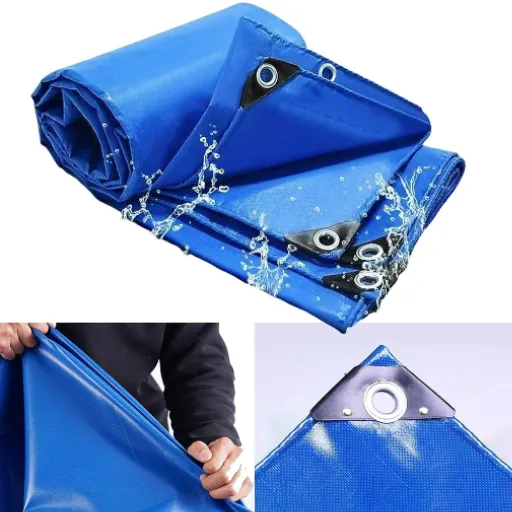
Certifications provide independent verification that a custom waterproof tarpaulin meets specific performance and safety benchmarks. Requesting the right certifications protects your investment and ensures regulatory compliance.
Material Quality Benchmarks
- Tensile Strength: Measures the force required to break the material. Higher values indicate greater load-bearing capacity.
- Tear Strength: Indicates resistance to puncture propagation. Critical for high-wind and high-contact applications.
- Hydrostatic Head: Measures waterproofing performance. A rating above 1,000mm indicates excellent water resistance.
- UV Resistance Rating: Expressed as a percentage of strength retained after UV exposure testing.
Fire Safety and Environmental Certifications
- ISO 9001:2015: Quality management system certification indicating consistent manufacturing processes.
- REACH and RoHS: Compliance with European chemical safety regulations, ensuring materials are free from hazardous substances.
- Flame Retardant Standards: B1, B2, M1, M2 (European), NFPA 701 (US), or DIN 4102-1 depending on your jurisdiction.
- SGS Testing: Independent verification of material properties and performance claims.
Not all manufacturers hold these certifications. Verifying them before placing an order prevents costly compliance issues after delivery.
Pricing Factors for Custom Waterproof Tarpaulin
Custom pricing reflects the complexity of your specification, not just square meterage. Understanding these drivers helps you optimize your order for value.
What Affects the Cost?
- Material Type: PVC costs more than PE or PP but offers longer lifespan and superior performance.
- GSM Rating: Higher weight means more raw material and higher cost.
- Dimensions: Larger pieces require more material and longer production time.
- Functional Treatments: UV resistance, flame retardancy, and specialized coatings add processing steps.
- Printing: Digital printing requires setup and ink costs, especially for multi-color designs.
- Hardware: Stainless steel grommets cost more than brass. Custom spacing or reinforced corners add labor.
- Certifications: Third-party testing and certification documentation may carry additional fees.
Understanding MOQs and Bulk Pricing
Minimum order quantities vary by manufacturer and product complexity. Simple tarpaulin roll orders in standard colors may have lower MOQs than complex custom-printed pieces with specialized coatings.
Often bulk order prices are scaled downwards. Orders placed beyond the 5000 square meters are also considered as those that earn favorable per unit prices. If there is a yearly agreement that operates on a minimum quantity, time of delivery and how much one can hold in stock, from the supplier then even the per unit and inventory cost will be contained.
The total market volume for only polyethylene tarp market is 14, 12,000 Machines and 17, 57,000 tt. It is forecasted that the market for polyethylene tarp has a growth of 7.43% between now and 2034 due to the use of such product by new houses and the other such sectors. East Asia currently controls 34% of the global market, with China at the heart of it as the main factory. This has an effect on material availability influencing price, and the delivery of custom items in the set timeframe.
Frequently Asked Questions
What is the typical lead time for custom waterproof tarpaulin?
Lead times range from two to six weeks depending on order complexity, material availability, and current production schedules. Simple size and color customizations in standard materials typically ship faster. Complex orders with custom printing, specialized coatings, or large volumes require additional production time.
Can I order a single custom piece, or is there a minimum quantity?
Most manufacturers have MOQs that vary by product type. Simple cuts in standard materials may have low minimums of 500 to 1,000 square meters. Complex customizations or specialized materials may require 2,000 square meters or more. Discuss your needs with the manufacturer to find a feasible arrangement.
How do I know which GSM rating I need?
Match GSM to your application intensity and expected service life. Light, temporary use calls for 200-400gsm. Medium-duty ongoing use requires 400-700gsm. Heavy industrial or permanent outdoor applications need 700gsm or higher. Your manufacturer can recommend a specific rating based on your use case.
Is custom waterproof tarpaulin more expensive than standard sizes?
Per-unit cost for custom orders is typically higher than mass-produced standard sizes due to dedicated production runs and setup time. However, the total cost of ownership is often lower because custom sizing eliminates waste, reduces replacement frequency, and improves protection performance.
What file format should I provide for logo printing?
Vector formats such as AI, EPS, or PDF with outlined fonts produce the best results. High-resolution raster images (300 DPI or higher) in PNG or TIFF format are acceptable for simpler designs. Always request a print proof before full production.
How should I clean and maintain custom waterproof tarpaulin?
Clean with mild soap, water, and a soft brush. Avoid harsh chemicals or abrasive materials that can damage coatings. Rinse thoroughly and allow the material to dry completely before folding or storage. Store in a cool, dry place away from direct sunlight when not in use.
Conclusion
Custom waterproof tarpaulin gives you control that standard products cannot match. By specifying exact dimensions, materials, treatments, and hardware, you receive protection engineered for your specific application rather than adapted from a generic design.
The key points to remember are:
- Define your requirements precisely before requesting a quote.
- Match material and GSM to your environment and use intensity.
- Verify manufacturer certifications to ensure quality and compliance.
- Request samples for complex orders before approving full production.
- Consider total cost of ownership, not just unit price, when comparing options.
Whether you need agricultural covers that withstand intense UV, construction enclosures that meet fire safety codes, or truck covers that fit your fleet exactly, custom manufacturing delivers the performance and reliability your operation demands.
Contact Linyi Chenlai Plastic Products Co., Ltd. today for a free quote on your custom waterproof tarpaulin order. Our team will review your requirements, recommend the right specification, and guide you through every step from design to delivery. Let us help you protect what matters most with precision-engineered solutions tailored to your needs.