Polyethylene (PE) tarpaulin is one of the most versatile and widely used materials across numerous industries today. From protecting goods during transport to offering temporary shelter in extreme weather conditions, PE tarpaulins have become indispensable due to their durability, flexibility, and cost-effectiveness. Whether you’re a business owner seeking reliable solutions for covering equipment or an individual looking for a dependable outdoor covering, understanding the key features, applications, and maintenance tips of PE tarpaulins is essential. This guide will provide you with a detailed exploration of PE tarpaulin, including its manufacturing process, technical specifications, and real-world uses. By the end, you’ll have a comprehensive understanding of why this material is a trusted choice worldwide and how to select the right product for your needs.
What is a PE Tarpaulin and How is it Made?

A PE tarpaulin, or polyethylene tarpaulin, is a durable, flexible sheet made from polyethylene plastic. It is commonly used as a protective covering in various industries due to its water resistance, lightweight nature, and tear strength. The manufacturing process begins with the extrusion of polyethylene granules into thin plastic film. This film is then woven into a high-density polyethylene (HDPE) fabric to provide strength. A coating of low-density polyethylene (LDPE) is applied to enhance its water-resistant properties and protect against UV exposure. Finally, the edges are reinforced, and eyelets are added for secure fastening.
Understanding Polyethylene in Tarpaulins
Polyethylene, especially HDPE and LDPE, has been a material of choice in tarpaulin manufacturing because of its durability, flexibility, and resistance to environmental factors. HDPE lays down the basis for structural strength and teething resistance to a certain extent in some layers of the woven fabric, whereas LDPE contributes mainly to the coating of the material, which offers water resistance, UV resistance, and flexibility. These polymers are lightweight and recyclable and useful for long-time outdoor exposure so that tarpaulins can conspicuously bear extreme weather and mechanical stresses.
The Manufacturing Process of PE Tarps
The production of polyethylene (PE) tarpaulins involves several precise steps to achieve their durability and functionality. First, high-density polyethylene (HDPE) granules are melted and extruded into thin filaments, which are then stretched and woven into a sturdy fabric. This weaving process forms the structural base of the tarpaulin. Subsequently, the woven fabric is laminated with low-density polyethylene (LDPE) on both sides through a heat or extrusion coating process. This coating ensures the tarp is waterproof, UV-resistant, and durable. Additional steps may include heat-sealing hems, adding eyelets or grommets for securing, and applying treatments for enhanced weather resistance. Each stage of production is carefully monitored to ensure the final product meets the required quality standards for diverse applications.
Characteristics of High-Density Polyethylene (HDPE)
High-Density Polyethylene (HDPE) is a thermoplastic polymer made from petroleum, characterized by its high strength-to-density ratio. It exhibits excellent tensile strength, providing durability for a wide range of applications such as piping, containers, and tarpaulins. HDPE boasts a low moisture absorption rate and high chemical resistance, making it suitable for environments exposed to corrosive substances. Additionally, it is UV-stabilized and displays remarkable weather resistance, allowing for prolonged outdoor use without significant degradation. The material is lightweight, recyclable, and demonstrates excellent impact resistance, further contributing to its versatility and environmental sustainability.
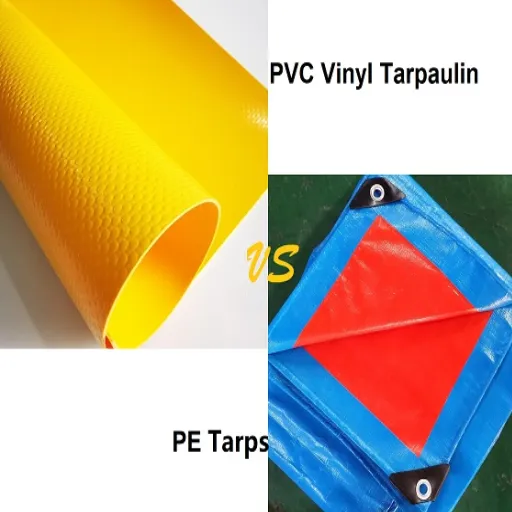
How Does PE Tarpaulin Compare with PVC Tarpaulin?

PE tarpaulin and PVC tarpaulin differ in material composition, weight, durability, cost, environmental impact, and resistance to specific elements.
| Parameter | PE Tarpaulin | PVC Tarpaulin |
|---|---|---|
| Material | Polyethylene | Polyvinyl Chloride |
| Weight | Lightweight | Heavier |
| Durability | Moderate | High |
| Cost | Lower | Higher |
| Flexibility | Less flexible | More flexible |
| UV Resistance | High | Very high |
| Chemical Resistance | High | Moderate |
| Environmental | Recyclable | Less eco-friendly |
| Temperature Tolerance | Moderate | High |
| Lifespan | Shorter | Longer |
Durability and Tear Strength of PE vs. PVC
PE tarpaulin offers moderate durability and lower tear strength, while PVC tarpaulin provides high durability and superior tear strength.
| Parameter | PE Tarpaulin | PVC Tarpaulin |
|---|---|---|
| Durability | Moderate | High |
| Tear Strength | Lower | Superior |
| Weight | Lightweight | Heavier |
| Lifespan | Shorter | Longer |
| Flexibility | Less | More |
| UV Resistance | High | Very High |
| Chem Resistance | High | Moderate |
| Environmental | Recyclable | Less eco-fr. |
| Temp Tolerance | Moderate | High |
Waterproof and Water Resistance Properties
The distinguishing factor between waterproof and water-resistant materials lies in their ability to repel water under specific conditions. Waterproof materials, such as high-quality PVC tarpaulins, are designed to create an impermeable barrier, completely preventing water from seeping through, even in sustained or high-pressure water exposure scenarios. On the other hand, water-resistant materials, such as PE tarpaulins, offer a lower level of protection by slowing down water absorption but not fully blocking it under prolonged or heavy contact. This difference is primarily influenced by the material composition, structural density, and coatings applied during manufacturing.
Environmental Impact: Polyethylene vs. Polyvinyl Chloride
Polyethylene has a lower environmental impact due to its higher recyclability and fewer emissions during production, while polyvinyl chloride (PVC) is more harmful because of toxic additives and difficulty in recycling.
| Parameter | Polyethylene | Polyvinyl Chloride |
|---|---|---|
| Recyclability | High | Low |
| Toxic Additives | None | Present |
| Decomposition | Slow | Very slow |
| Production CO₂ | Lower | Higher |
| Durability | Moderate | High |
| Energy Use | Low | High |
| Waste Impact | Less | More |
What are the Types of Tarpaulin Available?

There are several types of tarpaulin available, including polyvinyl chloride (PVC), polyethylene, canvas, mesh, and silicone-coated tarpaulin.
| Type | Material | Durability | Waterproof | Weight | Recyclable | Cost |
|---|---|---|---|---|---|---|
| PVC Tarpaulin | PVC | High | Yes | Heavy | Low | Moderate |
| Poly Tarpaulin | Polyethylene | Moderate | Yes | Light | High | Low |
| Canvas Tarpaulin | Cotton/PolyBlend | Moderate | Limited | Heavy | Low | High |
| Mesh Tarpaulin | Mesh Fabric | Low | Limited | Light | Low | Moderate |
| Silicone-Coated | Silicone/Poly | High | Yes | Moderate | Moderate | High |
Exploring Canvas Tarps and Their Uses
Canvas tarps generally used are of cotton-poly blend and are well known for their durability, breathability, and environmentally friendly qualities. Unlike synthetic types, canvas tarps do not readily collect condensation and so are suitable for covering articles sensitive to moisture. Chemical coatings like wax or flame retardants may be used to enhance the water resistance and durability of the tarpaulins in adverse weather conditions. However, the treatment gives the tarpaulins only moderate waterproofing compared with the highly waterproof synthetic grades like PVC tarpaulin.
Canvas tarps are commonly utilized in construction, agriculture, and transportation due to their heavy-duty nature. They are preferred for covering machinery, protecting equipment from dust and debris, or serving as drop cloths during painting projects. Their robustness and resistance to tearing make them an asset in rugged environments, although their heavier weight and higher cost must be considered in long-term applications. While not fully recyclable in all cases, their natural composition makes them a more sustainable choice overall.
Differences Between Vinyl and Polyethylene Tarps
Vinyl and polyethylene tarps differ primarily in material composition, durability, weight, resistance to elements, cost, and typical applications.
| Parameter | Vinyl | Polyethylene |
|---|---|---|
| Material | PVC-based | Plastic fiber |
| Durability | High | Moderate |
| Weight | Heavy | Lightweight |
| Waterproof | Yes | Yes |
| UV-Resistant | Superior | Moderate |
| Tear Strength | Excellent | Average |
| Cost | High | Low |
| Uses | Industrial | General purpose |
Vinyl tarps are often preferred for heavy-duty industrial applications due to their superior durability, tear strength, and UV resistance, though they are heavier and more expensive. On the other hand, polyethylene tarps offer a lighter and more cost-effective solution, suitable for general-purpose uses but with comparatively lesser durability and UV protection.*
Choosing the Right Tarp for Your Needs
When choosing the right tarp for my needs, I consider the purpose and environment where it will be used. If I need a tarp for industrial or heavy-duty outdoor projects, such as construction or long-term exposure to the elements, I would select a vinyl tarp due to its excellent durability, tear resistance, and UV protection, albeit at a higher cost. However, for lightweight, temporary, or general-purpose uses, such as covering equipment or short-term shelters, a polyethylene tarp is more practical because it is affordable and easy to handle, despite its lower durability. My decision ultimately balances the cost with the required strength, longevity, and environmental exposure.
What are the Common Uses of PE Tarpaulin?

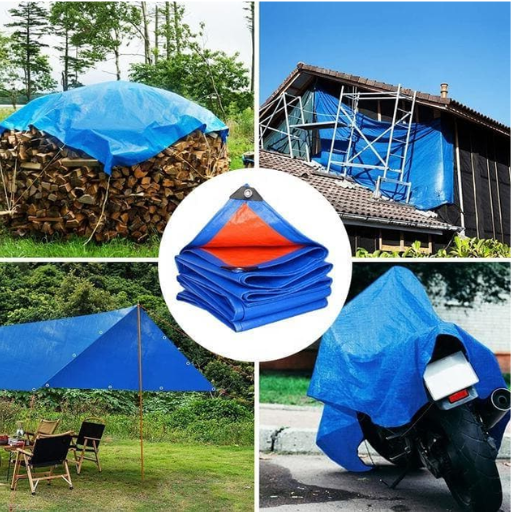
PE tarpaulin, or polyethylene tarpaulin, is a common product in the industrial scene due to being lightweight and water-resistant and cheap to produce. It is usually pressed into service in the construction scene as a temporary roofing for materials, protection for agricultural produce, and shelter construction in emergency relief programs. Other uses include ground covers, truck-bed liners, and general recreational uses for camping and outdoor events. Their versatility and cheapness make their use almost unavoidable in industrial and general cases.
Why PE Tarpaulins Are Used to Cover and Protect
PE tarpaulins are used to cover and protect due to their exceptional durability, water resistance, and lightweight design. They are made from polyethylene, a tough polymer that withstands harsh environmental conditions such as UV exposure, heavy rainfall, and wind. These tarpaulins are versatile and can be easily deployed for various purposes, including safeguarding construction materials, shielding agricultural produce, or providing temporary shelters. Their cost-effectiveness further enhances their appeal, making them an ideal solution for both industrial and everyday applications.
Applications in Tent and Shelter Construction
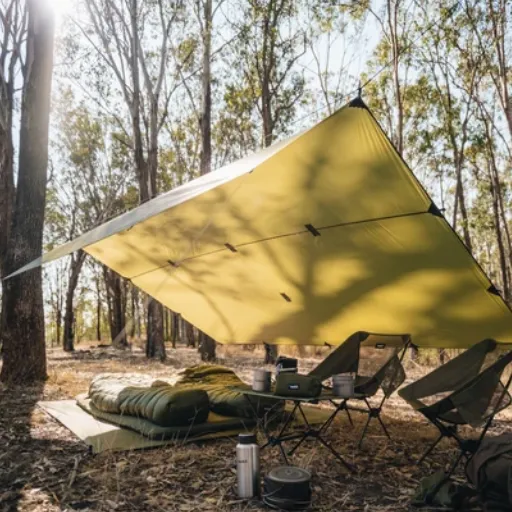
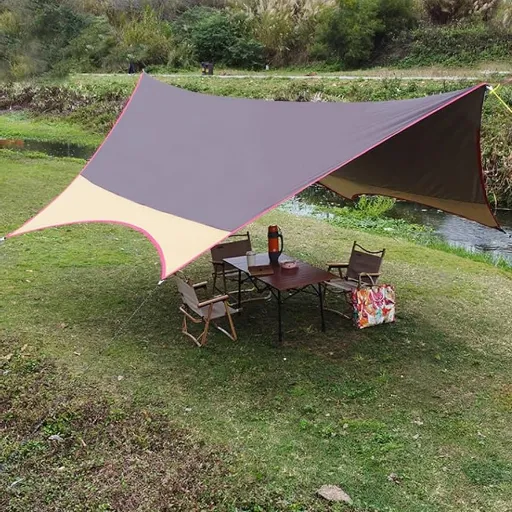
Polyethylene tarps have extensive usages in tentage and sheltering works due to their strong nature alongside the waterproofing and the lightweight feature. Roof-and-wall-like application would in fact provide the best cover as shelter for environmental elements such as rain, wind, and sunlight. In case there is an emergency and one has to put up a temporary shelter, ease of installation covers a wide area; these are the building blocks for it. They become messaly brutal when there is prolonged abrasion by and are seasoned sufficiently by sunlight to a great degree.
Industrial and Commercial Tarpaulin Uses
Considered quite heavy-duty and versatile, tarpaulins find applications across myriad industries. They are site protection tarps, covering cement, wood, and even machinery from weathering and damages during the construction activity. In the sphere of agriculture, tarps are used to cover plants, as silage sheets, and sometimes as temporary sheds for livestock. Logistics industries cover their cargos with tarps during transportation to ensure protection from environmental hazards such as rain, dust, or direct sunlight. They are also utilized as ground covers in sports facilities; for shade provision or temporary structures during event management; and for sectioning areas inside a warehouse or simply covering materials stored inside. This very flexibility gives them an esteemed position in the continuity of industrial activities and asset management.
How to Select the Right Tarpaulin for Your Application?
1.Material Type: Select the material based on your intended application. For heavy-duty use, PE and PVC tarpaulins are suitable, whereas canvas tarps are more appropriate when breathability and light weight are required.
2.Durability and Strength: Check the thickness of the tarpaulin (usually measured in mils) and the weave density to see if it will generally take up the stresses of your intended use, such as a harsh weather situation or a heavy load.
3.Waterproof and UV Resistance: For outdoor usage, prioritize tarpaulins with the best waterproof coating and UV-resistant properties so that assets can be effectively protected.
4.Size and Shape: Choose that when put together will either cover or fit whatever it is you want to protect, leaving just enough space to ensure with all security.
5.Grommet Placement and Reinforcement: Inspect the placement and quality of grommets and edges to allow for secure anchoring and to reduce abrasions.
Assessing these factors really allows one to determine which type of tarpaulin will answer the functional and environmental requirements of their project.
Factors to Consider: Size, Weight, and Thickness
Size
Tarpaulin dimensions are a critical factor contingent on the scope and application of the project. Standard sizes range widely, from small tarps measuring 5 x 7 feet for minor coverage to industrial-grade tarps exceeding 100 x 100 feet meant for large-scale uses. It is essential to verify whether the size stated includes the “cut size” (pre-hemmed dimensions) or the “finished size” (post-hemmed dimensions) to ensure adequate coverage for the intended purpose.
Weight
The weight of an awning goes hand-in-hand with the strength and durability. In short, the lesser the weight, in ounces per square yard, the more light-duty its application could be- gardening or temporary light covering. Medium-weight tarps offer a compromise in portability versus strength and have been preferred for outdoor shelters and storage. Heavy-duty tarps over 12 oz/yd² are utilized in industrial and construction sites owing to their high resistance to stress and environmental conditions.
Thickness
The thickness of a tarpaulin, usually measured in mils (1 mil = 0.001 inch), is a key determinant of its capacity to withstand punctures, tears, and harsh environments. Low-thickness tarps (5-7 mils) are lightweight and flexible yet less enduring under abrasive conditions. Medium-thickness tarps (10-14 mils) offer greater durability for applications like landscaping or vehicle covering. High-thickness tarps (20+ mils) are optimal for demanding situations requiring maximum protection, such as heavy equipment coverage or hurricane barriers.
By carefully examining the interrelation of size, weight, and thickness, you can make an informed selection ensuring both practical functionality and cost efficiency for your project requirements.
The Role of Weave and Lamination in Tarpaulin Selection
- Weave Density – The overall strength and durability of a tarpaulin are heavily influenced by the weave density of its base material. A tightly woven tarp offers enhanced resistance to tearing and punctures, making it ideal for heavy-duty applications.
- Material Type – The material used in the weave, such as polyethylene or canvas, contributes to the tarp’s flexibility, UV resistance, and overall longevity. Each material offers specific advantages based on environmental conditions and usage scenarios.
- Coating Quality – Lamination or coating plays a critical role in the tarp’s weatherproofing capabilities. High-quality lamination ensures resistance against water, mildew, and harmful UV rays, extending the tarp’s service life.
- Reinforced Edges and Seams – The lamination process often incorporates reinforced edges and heat-sealed seams, which help prevent fraying and enhance the tarp’s structural integrity under stress.
- Multi-layer Construction – Advanced tarpaulins feature multi-layer lamination, combining lightweight characteristics with improved resistance to wear and tear, ensuring optimal performance in versatile and demanding environments.
Understanding Insulation and Thermoplastic Properties
Insulation materials are designed to minimize heat transfer, playing a critical role in maintaining energy efficiency in various applications. They achieve this through low thermal conductivity, effectively reducing heat flow between surfaces. Common insulation materials include fiberglass, foam, and reflective barriers, each tailored for specific thermal performance requirements.
Thermoplastics, on the other hand, are polymer materials that become pliable or moldable above a specific temperature and solidify upon cooling. They are widely used due to their recyclability, durability, and versatility across industries. Properties such as low thermal expansion and high chemical resistance make thermoplastics, including polyethylene and polypropylene, essential for applications requiring reliable performance under thermal and mechanical stress. Together, these properties allow engineers and manufacturers to design effective solutions for energy retention, structural stability, and environmental adaptability.
Reference Sources
- PE Tarpaulin – The Comprehensive Guide 2024 – A detailed guide covering various aspects of PE tarpaulin.
- The Ultimate Guide to PE Tarpaulin – Offers insights into selecting, using, and maintaining PE tarpaulins.
- How to Choose a Poly Tarp (Polyethylene Tarpaulin) – A document providing guidance on choosing the right tarp for various applications.
- The Ultimate Guide to PE Tarpaulin – How to Choose the Right One – Discusses the properties and applications of PE tarpaulins.
- Production of Tarpaulin (YouTube Video) – A video explaining the production process of tarpaulins.
Frequently Asked Questions (FAQs)
Q: What is a PE tarpaulin and what materials are used in its construction?
A: A PE tarpaulin, or polyethylene tarpaulin, is a large sheet made from woven polyethylene, a thermoplastic material. It is often laminated to enhance its strength and waterproof properties.
Q: How does PE compare to PVC tarpaulins in terms of durability?
A: Compared to PE tarpaulins, PVC tarpaulins offer greater durability and strength due to the PVC material, which is often coated with polyvinyl chloride for added rigidity and chemical stability.
Q: What are the advantages of using a PE tarpaulin?
A: PE tarpaulins are lightweight, cost-effective, and offer good chemical stability. They are also easy to handle and provide waterproof protection, making them ideal for various outdoor applications.
Q: Can you explain the concept of laminated tarpaulin?
A: Laminated tarpaulin refers to a tarpaulin fabric that has been coated with an additional layer, such as a double-coated PE film, to enhance its water resistance and durability. This process helps improve the tarpaulin’s overall performance.
Q: What is the difference in chemical stability between PE and PVC tarpaulins?
A: PE tarpaulins offer good chemical stability and are resistant to various chemicals, but PVC tarpaulins offer superior chemical resistance due to the PVC fabric, which is inherently more stable when exposed to certain chemicals.
Q: How does the density of polyethylene affect the performance of a tarpaulin?
A: The density polyethylene used in a tarpaulin determines its strength and durability. Higher density provides a tougher and more durable tarpaulin, capable of withstanding harsh weather conditions and heavy-duty applications.
Q: What are the typical applications of PE and PVC tarpaulins?
A: PE and PVC tarpaulins offer versatile uses such as temporary shelters, truck covers, construction site covers, and agricultural applications. PVC tarps, with their enhanced durability, are often used in more demanding environments.
Q: Why would one choose a PVC coated tarpaulin over a PE tarpaulin?
A: A PVC coated tarpaulin is chosen over a PE tarpaulin when higher strength, increased durability, and superior chemical resistance are required. The PVC coating provides better protection against UV rays and harsh weather.
Q: What factors should be considered when selecting a tarpaulin supplier?
A: When selecting a tarpaulin supplier, consider factors such as the quality of raw material used, the range of tarpaulin covers offered, the supplier’s reputation, and their ability to provide custom solutions tailored to specific needs.
Q: How do the sides of PE woven fabric affect the overall performance of a tarpaulin?
A: The sides of PE woven fabric, if properly sealed and reinforced, can significantly enhance the performance of a tarpaulin by providing better resistance to tearing and improved waterproofing, ensuring long-lasting protection.