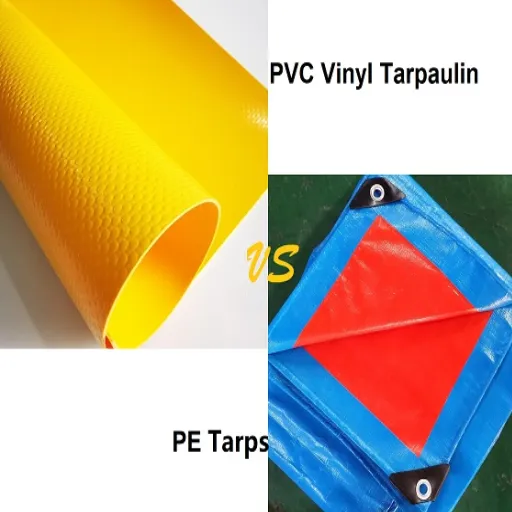
The PE vs PVC tarpaulin decision comes down to one question: how long do you need the cover to last? PE tarpaulin is lighter and cheaper, and it makes sense for temporary or seasonal jobs under about two years. PVC tarpaulin is heavier and tougher, and it usually costs less per year on any project that runs longer. Neither material wins outright, but choosing wrong is expensive.
The cheapest tarp on the shelf is often the most expensive one you’ll ever own. Consider a construction site manager we’ll call Tom. In March 2025, he stocked his site with 90 GSM PE tarps because they cost a fraction of the PVC alternative. The project stretched past 18 months.
By the second summer, the UV-stabilized coating had faded, the lamination had started to separate at the seams, and a gusty afternoon tore out two grommets. He bought replacements, paid a crew to swap them, and lost a full day of work. Over two years he spent more on PE covers than one quality PVC tarp would have cost him once.
This guide exists to help you avoid that outcome. We manufacture both PE and PVC tarpaulins in-house, so we have no single material to push. In the next few minutes you’ll learn how each material is made, what each is genuinely best for, and how to compare them on cost per year instead of sticker price. You’ll leave with a decision matrix you can use on your next order. Discuss your waterproof tarp requirements with Linyi Chenlai Plastic Products Co., Ltd. for customized options.
Key Takeaways
- PVC tarpaulins last 5 to 10 years outdoors; PE tarpaulins last 1 to 3 years, with light PE failing in as little as one season of strong sun.
- PE wins on upfront price, typically 50 to 70% cheaper per square meter, and on short-term or seasonal jobs under about 18 to 24 months.
- PVC wins on total cost of ownership beyond the 18 to 30 month break-even point, often ending up 25 to 30% cheaper per year once replacements, labor, and downtime are counted.
- Match the material to your timeline: PE for temporary or seasonal covers, PVC for truck covers, permanent tents, greenhouses, and any multi-year outdoor installation.
- Buy quality in either material: GSM, UV stabilization, weave density, seam type, and grommets decide whether a tarp actually lasts its rated lifespan.
PE vs PVC Tarpaulin: The Quick Answer
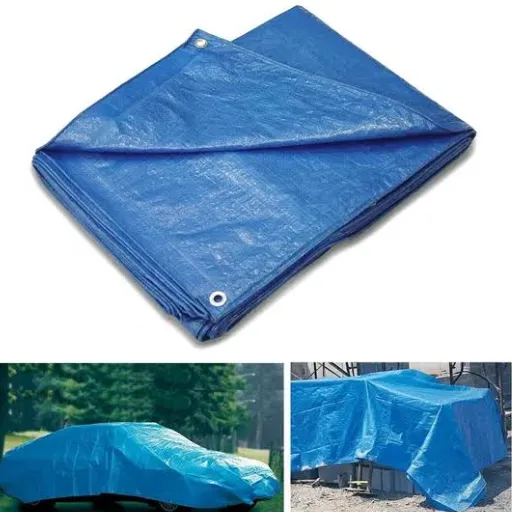
If you need one paragraph, here it is. PE tarpaulin is a woven polyethylene sheet laminated with a thin plastic film. It’s light, cheap, and perfectly adequate for short-term covers, seasonal agriculture, camping, and one-time events.
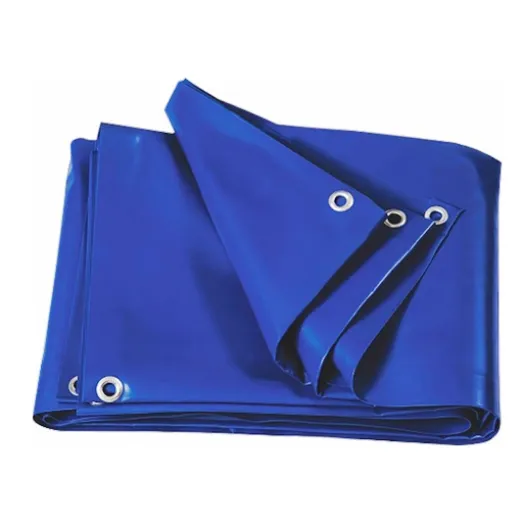
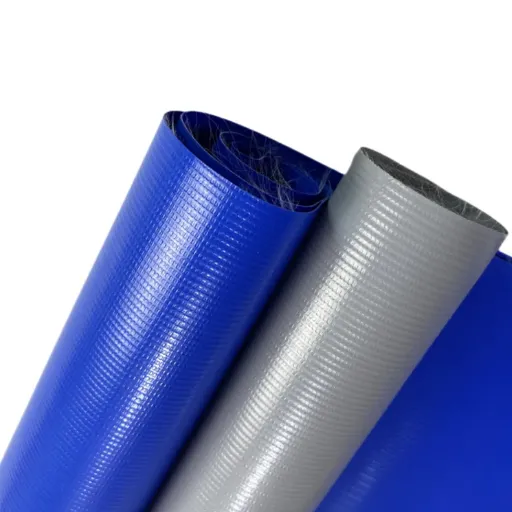
PVC tarpaulin is a woven polyester base coated with polyvinyl chloride. It’s heavy, strong, weldable, and built for years of outdoor exposure, truck covers, permanent structures, and anything where failure carries real cost.
The table below summarizes the six specs that matter most. For the full spec-by-spec breakdown, including tear strength, temperature range, and repairability, see our PVC vs poly tarpaulin comparison guide.
| Property | PE Tarpaulin | PVC Tarpaulin |
|---|---|---|
| Typical weight | 60 to 300 GSM | 400 to 1,200 GSM |
| Outdoor lifespan | 1 to 3 years | 5 to 10+ years |
| Tensile strength | 500 to 1,300 N/5cm | 1,500 to 4,500 N/5cm |
| Waterproofing | Water-resistant; lamination can separate | Fully waterproof; weldable seams |
| UV resistance | Good when stabilized; degrades without it | Excellent; formulated with UV inhibitors |
| Cost per m² | About 0.50to1.50 | About 2.50to8.00 |
The 60-second rule: if the cover stays in place for under two years, PE is usually the smart buy. If it stays up longer, or handles daily use and wind, PVC almost always wins on cost per year.
What Are PE and PVC Tarpaulins Made Of?
How a tarpaulin is built explains why the two materials behave so differently. This is the part most comparison guides skip, and it’s where a manufacturer’s perspective helps most.
How PE tarpaulin is made
PE tarpaulin starts as high-density polyethylene (HDPE) resin. The resin is melted, extruded into a thin film, and cut into flat tapes. Those tapes are drawn and stretched to align the polymer chains, which boosts strength, then woven on looms into a tight mesh.
Finally, a low-density polyethylene (LDPE) layer is laminated onto both sides to make the fabric waterproof. In our factory, PE tarpaulins run from about 60 to 350 GSM, with weave density from 6×6 to 16×16 threads per inch. A higher weave density means a tougher, more tear-resistant sheet.
How PVC tarpaulin is made
PVC tarpaulin starts with a woven polyester scrim, typically 500D to 2,000D, which provides the tensile backbone. The scrim passes through a coating line where liquid PVC, mixed with plasticizers, UV stabilizers, and often flame retardants, is applied to both sides and fused in heated ovens. Higher-grade material uses knife coating or hot-melt lamination for a thicker, more even layer. The result is a much denser sheet, typically 400 to 1,200 GSM, with far greater resistance to tearing, punctures, and abrasion.
Why construction matters for your choice
The polyester core and thick PVC coating explain nearly every difference in the table: strength, lifespan, weldability, weight, and price. PE is strong for its weight but thin, which is why it ages faster under sun and stress. If you want the full production detail, read our guide on how tarpaulins are manufactured.
PE vs PVC Tarpaulin: Side-by-Side Comparison
Durability and lifespan
This is the biggest gap between the two materials. A quality PVC tarpaulin typically lasts 5 to 10 years outdoors. A PE tarpaulin lasts 1 to 3 years, and light-duty PE can fail in a single season of strong sun.
The main culprit is UV light. PVC is formulated with UV inhibitors and shrugs off sun exposure for years, while unstabilized PE becomes brittle, cracks, and eventually powders.
Waterproofing and weather performance
Both materials shed water when new. The difference shows up over time. PVC stays fully waterproof for years because its coating is thick and its seams can be heat-welded.
PE relies on lamination, and once the laminate separates or a seam is stitched rather than sealed, water finds a way in. If waterproofing is the top priority for your job, review our waterproof tarpaulin specifications.
Cold weather tells a similar story. Standard PE stays flexible down to about -15°C, while standard PVC stiffens sooner, though cold-resistant grades handle -30°C or lower. High heat is reversed. PVC keeps its structure at temperature, while PE can stretch and sag.
Weight and handling
PE is genuinely easier to work with. A 100 GSM PE sheet is light enough for one person to handle, fold, and move around a site. PVC, at 450 to 900 GSM, is heavier and stiffer, which makes it harder to lift and store but better anchored in wind.
If your crew installs and removes covers often, weight matters a lot. If a cover stays put for years, it matters much less.
Cost-Per-Year: The Real Way to Compare PE and PVC Tarpaulins
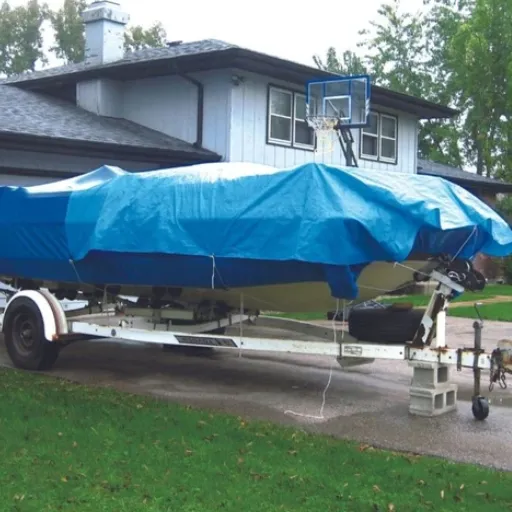
Comparing price per square meter is the most common buying mistake in this category, and it’s the mistake that costs people real money. The right metric is cost per year: material cost plus replacements, plus labor, plus downtime, divided by years of service.
The 18 to 30 month break-even point
Because PVC costs 2 to 3 times more upfront but lasts 3 to 5 times longer, the two materials break even somewhere between 18 and 30 months of continuous outdoor use. Under that mark, PE is the economic winner. Beyond it, PVC pulls ahead.
A worked example
Imagine a 500 m² storage cover in place for 10 years. The PE route means buying a new cover every 2 years, plus paying crews to swap each one. Four replacements with labor easily exceed $3,000.
One quality PVC cover, installed once with minor weld repairs over the decade, lands closer to $2,400. That’s a 25% saving from the material that cost five times more upfront. The same pattern holds at any project size. Distributors and fleet operators should compare cost per year, not price per meter.
Hidden costs buyers forget
Labor and disposal top the list. Then comes downtime while a failed cover exposes inventory or equipment to the weather. Then cargo damage when a truck tarp lets water in.
Then safety incidents from a torn cover on a scaffold. Each of these easily outweighs the upfront price gap. That’s why the cheap tarp is so often the expensive one.
Which Tarpaulin Is Better for Your Application?
Here’s the practical part. Find your use in the table, then read the note for your row.
| Application | Recommended material | Why | Typical weight |
|---|---|---|---|
| Truck and trailer covers | PVC | Wind load, abrasion, daily tying, long lifespan | 500 to 700 GSM |
| Seasonal crop and hay covers | PE | Low cost; annual replacement is standard | 120 to 200 GSM |
| Permanent greenhouses | PVC | Longevity, UV resistance, structural strength | 400 to 700 GSM |
| Short-term construction | PE | Budget, easy handling, under 18 months | 150 to 250 GSM |
| Long-term construction | PVC | Multi-year exposure, fire-retardant grades | 500 to 900 GSM |
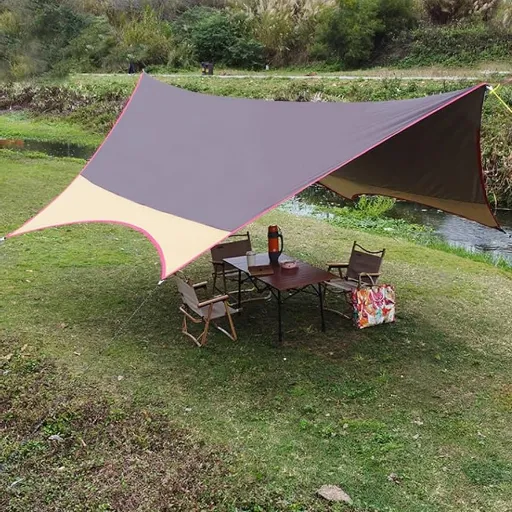
| Camping and recreation | PE | Lightweight, portable, affordable to replace | 80 to 180 GSM |
| Disaster relief | PE | Low cost, easy to ship and set up | 120 to 200 GSM |
Truck and trailer covers
Choose PVC. Highway wind and constant tying stress the grommets and fabric, and a failed tarp means damaged cargo. One fleet we studied switched from 180 GSM PE side curtains to 500 GSM PVC and replaced nearly 90% of its PE curtains within three years, versus almost none of the PVC. The heavier material paid for itself.
Agriculture and farming
It depends on duration. For seasonal crop and frost covers, PE at 120 to 200 GSM is the right, economical choice, and replacing it annually is standard practice. For silage, grain storage, and long-term equipment covers, PVC protects better and pays off over the years. Our tarpaulins for agriculture page covers both options in detail.
Take Maria, a crop grower in the south of Spain. She buys 120 GSM UV-stabilized PE frost covers every autumn and replaces them each spring. The cost is a fraction of what PVC would run, and because she only needs them for a few months, the short lifespan is irrelevant. PE is the correct answer for her job, and that’s the honest guidance a dual-material manufacturer should give.
Greenhouses
Permanent greenhouse structures get PVC, typically 400 to 700 GSM with UV stabilization. It holds up to years of sun, supports the structure, and resists mildew. For shade or short-term seasonal glazing, lighter PE works fine and costs far less.
Construction and site protection
Under 18 months, PE is a reasonable budget choice. Beyond that, or wherever fire-retardant certification matters, use PVC. Fire-rated PVC meets standards like NFPA 701 and EN 13501 B1, which PE generally can’t match. Our tarpaulins for construction page covers site-specific options.
Camping and outdoor recreation
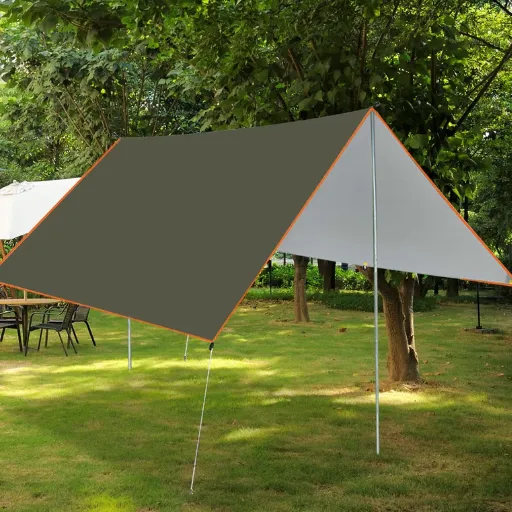
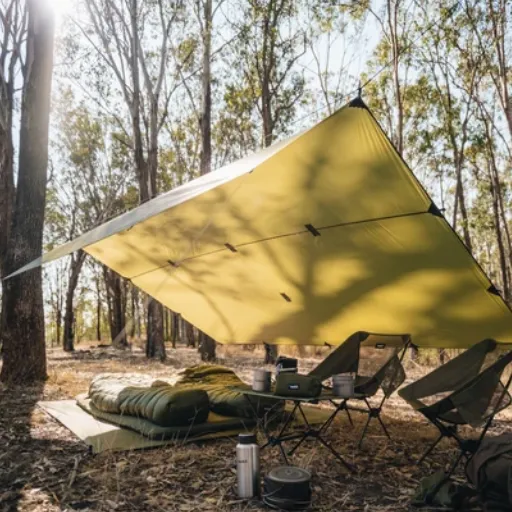
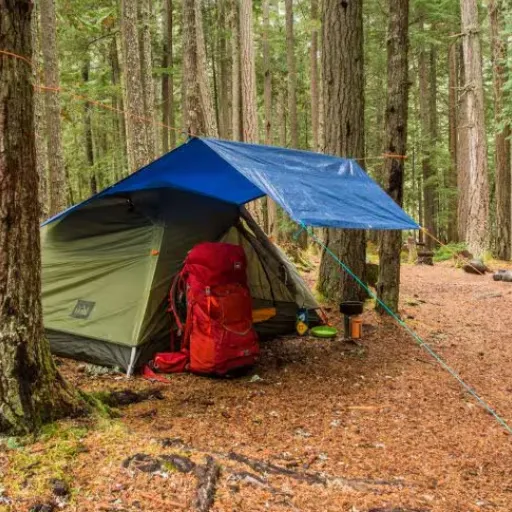
PE shines here. It’s light, cheap, and easy to fold into a pack, and if a camping tarp gets a tear, replacement is affordable. PVC is overkill for most campers and too heavy to carry.
Disaster relief and emergency shelters
Speed and cost win. PE tarpaulins are light to ship, quick to set up, and inexpensive enough to deploy at scale. Relief agencies routinely use PE for temporary shelter, and it’s the right call for that mission.
Not sure which material fits your project? Send us your application and get a manufacturer’s recommendation with a custom quote.
A 4-Step Framework for Choosing Between PE and PVC
Still deciding? Run through these four questions in order.
- How long does the cover need to last? Under 18 to 24 months, lean PE. Over that, lean PVC.
- What weather will it face? Strong UV, wind, or freezing cold pushes you toward PVC, or toward UV-stabilized PE for shorter jobs.
- Who installs and moves it? Frequent handling favors PE’s light weight. Permanent installation favors PVC’s durability.
- What does failure cost? If a failed cover damages cargo, spoils crops, or stops a project, buy the tougher material.
How to Spot a Quality Tarpaulin in Either Material
GSM alone won’t tell you if a tarp is good. These four checks apply to both PE and PVC.
- UV stabilization. Ask directly whether the material is UV-stabilized. It adds about 20% to PE cost and can triple its lifespan.
- Weave density. For PE, a tighter weave of 12×12 or higher resists tearing far better than a loose 6×6.
- Seams. Welded or heat-sealed seams outperform stitched seams for waterproofing, especially on PVC.
- Hardware. Look for rust-proof grommets and reinforced corners and edges. These are the first points to fail on a cheap tarp.
We manufacture to ISO-certified quality control procedures, and every roll is tested for weight, strength, and waterproofing before it leaves the factory.
7 Common Tarpaulin Buying Mistakes
- Comparing price per m² instead of cost per year. The most expensive mistake on this list.
- Choosing by GSM alone. GSM says little about UV resistance or seam quality.
- Using PE for a multi-year outdoor project. Expect repeated replacement.
- Buying PVC for a three-month job. You pay for durability you never use.
- Ignoring UV stabilization. The single biggest factor in PE lifespan.
- Overlooking seams and grommets. Weak hardware kills good fabric.
- Skipping customization. Proper sizing, grommet spacing, and reinforced corners make any tarp last longer. We offer custom sizes on both our PE tarpaulin range and PVC tarpaulin range.
Frequently Asked Questions
Is PVC tarpaulin better than PE?
For long-term or heavy-duty use, yes. For short-term or seasonal use, no. PVC lasts 5 to 10 years and is much stronger, while PE is cheaper and lighter for temporary jobs. Match the material to the timeline.
How long does a PE tarpaulin last outdoors?
Most PE tarpaulins last 1 to 3 years outdoors. Light-duty PE can fail within a single season in strong sun, while UV-stabilized grades can reach 3 years or more.
Is PVC tarpaulin 100% waterproof?
Yes. PVC tarpaulin with welded seams forms a fully waterproof barrier and stays that way for years, which is why it’s standard for truck covers and permanent structures.
Can a PVC tarpaulin be repaired?
Yes, and it’s a major advantage. PVC can be patched with heat welding or hot air, restoring near-original strength. PE is much harder to repair, and adhesive patches rarely hold well.
Which is cheaper, PE or PVC tarpaulin?
PE is cheaper upfront, typically 50 to 70% less per square meter. But over a multi-year project, PVC is often cheaper per year because it avoids repeated replacement.
Are PE tarpaulins recyclable?
PE is generally considered more recyclable than PVC, and many PE tarpaulins use recyclable polyethylene. If sustainability is a priority, ask your supplier about recycled content and end-of-life options.
Conclusion
The PE vs PVC tarpaulin decision isn’t about which material is better. It’s about which one fits your timeline, your weather, and your budget.
Use PE for short-term, seasonal, and lightweight jobs. Use PVC for anything long-term, heavy-duty, or where failure is expensive. Compare on cost per year rather than price per meter, and never skip UV stabilization or decent hardware.
Three things to remember: know how long you need the cover to last, match the material to the application, and buy quality in whichever material you choose. Get those right and a good tarpaulin protects your assets for years.
If you’re still weighing your options, browse our PE tarpaulin range and PVC tarpaulin range, or contact us for a custom quote. We manufacture both materials in-house, so you’ll get an honest recommendation either way.