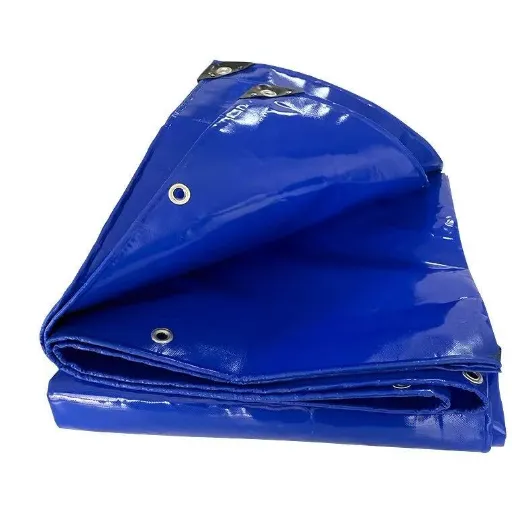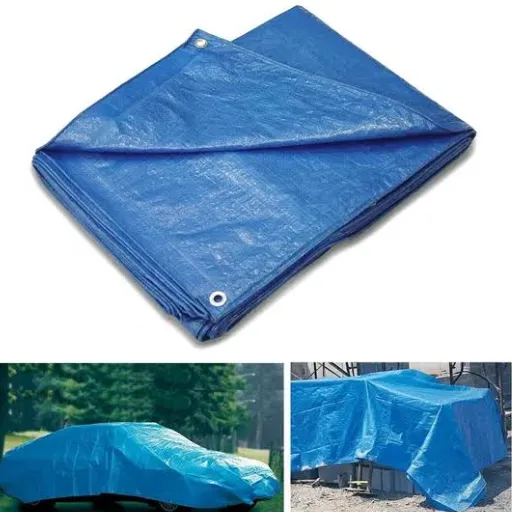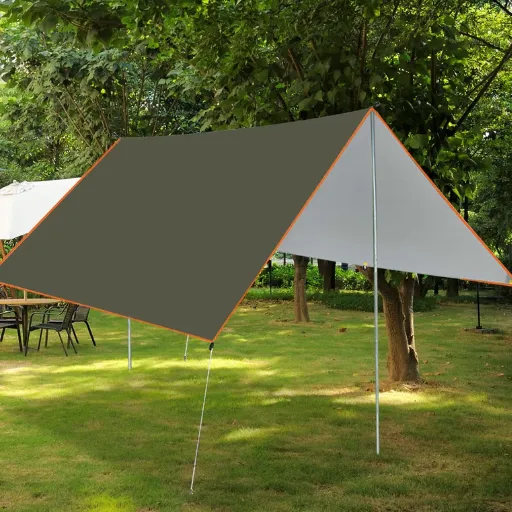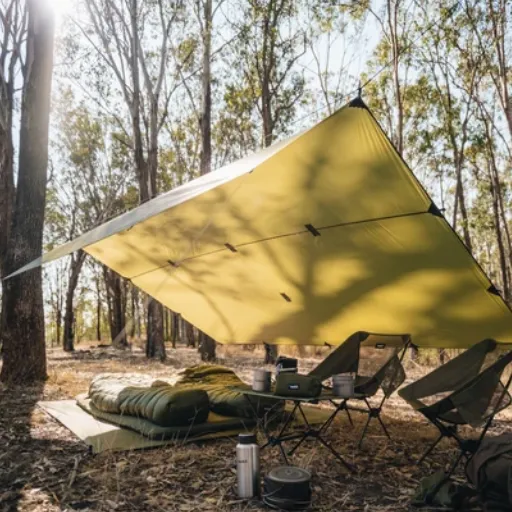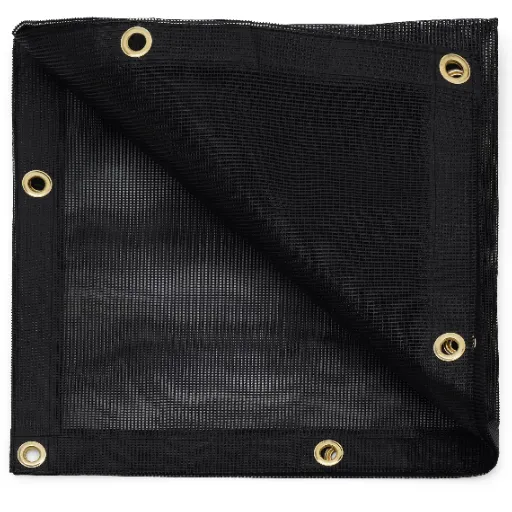
A custom tarpaulin with grommets gives you a made-to-measure cover. The anchor points sit exactly where you need them. Pick the right material, grommet type, and spacing. The cover stays secure, lasts longer, and performs under the conditions you face every day.
Most standard tarps fail because their tie-down points sit in the wrong places. Sometimes the hardware isn’t right for the environment. When you order a custom solution, you’re in control of the size, the reinforcement, and the placement of every grommet. That control matters whether you’re covering crops, scaffolding, truck beds, or industrial equipment.
In this guide, you’ll learn how to specify a custom tarpaulin with grommets that fits your application, holds up under load, and arrives ready to install. We’ll cover material selection, grommet spacing, measurement, quality control, and cost factors from a manufacturer’s perspective.
Key Takeaways
- A custom tarpaulin with grommets is built to your exact dimensions, with anchor points placed for your specific structure or equipment.
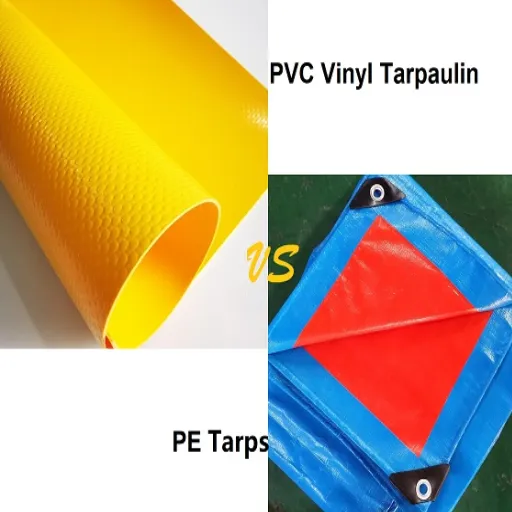
- PE tarpaulin suits light-duty outdoor use, PVC tarpaulin handles heavy industrial loads, and canvas works best for breathable storage.
- Brass grommets suit most outdoor applications; stainless steel resists saltwater; aluminum works for light-duty covers.
- Standard grommet spacing ranges from 18 to 24 inches for general use, and 12 to 18 inches or less for high-wind areas.
- Always specify finished size, grommet material, spacing, and corner reinforcement when requesting a quote from a manufacturer.
What’s a Custom Tarpaulin with Grommets?
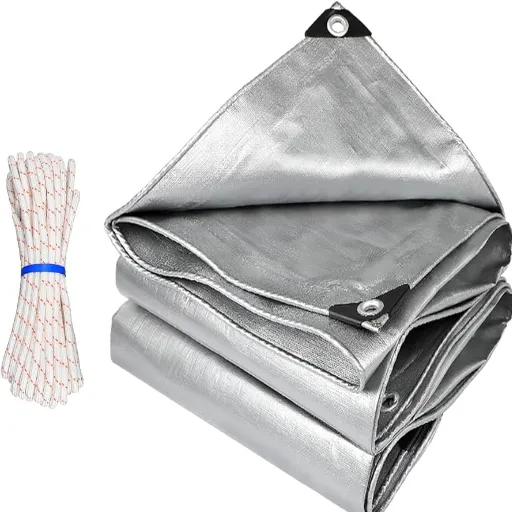
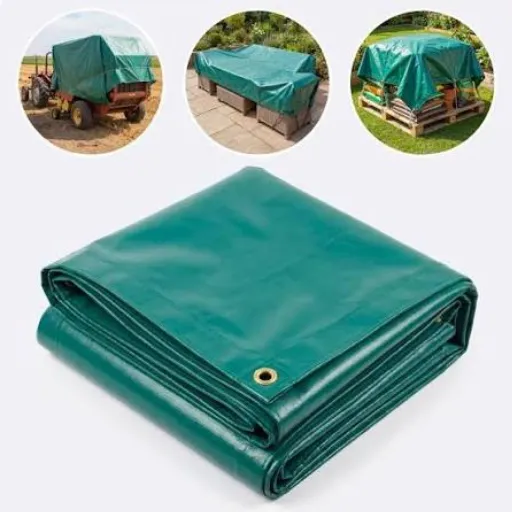
A custom tarpaulin with grommets is a made-to-order protective cover manufactured to your exact dimensions and fitted with reinforced metal or plastic rings along the edges. These rings, called grommets, create strong anchor points for rope, bungee cord, hooks, or straps.
Custom orders differ from off-the-shelf products in three important ways. Here’s what sets them apart.
First, the dimensions match your equipment or structure. You won’t have to fold or overlap a standard sheet.
Second, the grommets sit where you need them. This prevents uneven tension and premature tearing. Third, you choose the material weight, color, finish, and hardware that match your working environment.
The terms “eyelet” and “grommet” are often used interchangeably in product listings, but they aren’t identical. An eyelet’s usually a smaller, single-piece ring used for lighter fabrics. A grommet is a larger, two-piece ring and washer set designed for heavy-duty materials such as PVC tarpaulin and canvas. For industrial and commercial covers, grommets are the stronger and more reliable choice.
Common applications include agricultural ground sheets, construction scaffolding covers, truck and trailer tarps, greenhouse shading, outdoor event enclosures, marine covers, and industrial curtains. Each use case places different demands on the fabric and the hardware. That’s why customization matters.
Why Choose a Custom Tarpaulin Over Standard Sizes?
Standard sizes work for quick, temporary jobs, but they rarely fit professional applications well. A sheet that’s too large creates folds that trap water and flap in the wind. A sheet that’s too small leaves edges exposed and forces you to stretch the material beyond its limits.
A custom tarpaulin eliminates these problems from the start. You provide the finished dimensions, and the manufacturer cuts, hems, and reinforces the cover to fit. Grommets align with your existing anchor points, whether those are trailer rails, scaffold tubes, greenhouse frames, or wooden posts.
Material choice also becomes flexible with custom orders. You can select a lightweight PE tarpaulin for agricultural covers, a heavy-duty PVC tarpaulin for transport and industrial use, or a transparent tarpaulin for patio enclosures that need light transmission. Custom colors and printed branding are also available for distributors and contractors who want a professional look on-site.
When Maria, a procurement manager for a European logistics company, switched from standard truck covers to custom-sized PVC tarps with stainless steel grommets, her team cut installation time by roughly 30%. The covers fit the flatbeds exactly, the grommets lined up with the side rails, and the tarps stopped tearing at the corners during long-haul routes.
How to Choose the Right Material for Your Custom Tarpaulin
Material selection is the most important decision when ordering a custom tarpaulin with grommets. The fabric determines weight, strength, waterproofing, UV resistance, and how well the grommets will hold under tension.
PE Tarpaulin
PE tarpaulin is made from polyethylene. It’s one of the most cost-effective options for general outdoor coverage. It’s lightweight, waterproof, and available in a wide range of colors and weights.
At Linyi Chenlai, our PE tarpaulin options range from 60 gsm to 350 gsm. That range makes them suitable for agriculture, camping, temporary shelters, and light construction covers.
PE works best when weight and price matter more than long-term durability. It accepts aluminum or brass grommets well, especially when edges are reinforced with heat-sealed hems.
PVC Tarpaulin
PVC tarpaulin is a heavy-duty, coated fabric designed for demanding environments. It resists tearing, chemicals, UV exposure, and water penetration better than PE. Weights typically range from 300 gsm to 1,200 gsm.
This material is the standard choice for truck covers, industrial curtains, marine applications, and large outdoor enclosures. PVC holds brass, stainless steel, and reinforced grommets securely. If your cover will face high wind, heavy rain, or constant handling, PVC is usually the better investment.
Canvas Tarpaulin
Canvas tarpaulin is breathable and mildew-resistant, which makes it ideal for covering equipment that needs airflow. It isn’t fully waterproof, so it’s less common for rain protection. Canvas accepts brass grommets and is often chosen for indoor storage, machinery covers, and decorative applications.
HDPE Tarpaulin
High-density polyethylene tarpaulin offers a middle ground between standard PE and PVC. It’s stronger and more tear-resistant than regular PE while remaining lighter than PVC. HDPE is popular for agriculture, construction site fencing, and debris netting where airflow and strength are both important.
| Material | GSM Range | Best For | Grommet Compatibility |
|---|---|---|---|
| PE Tarpaulin | 60–250 gsm | Agriculture, camping, general cover | Brass / aluminum |
| PVC Tarpaulin | 300–1,200 gsm | Industrial, transport, marine | Brass / stainless steel |
| Canvas Tarpaulin | ~600 gsm | Breathable storage, indoor use | Brass |
| HDPE Tarpaulin | 80–300 gsm | Construction, agriculture | Aluminum / brass |
Ready to choose the right material for your project? Explore our PE tarpaulin range or contact our team for a recommendation based on your application.
Grommet Options: Materials, Sizes, and Spacing
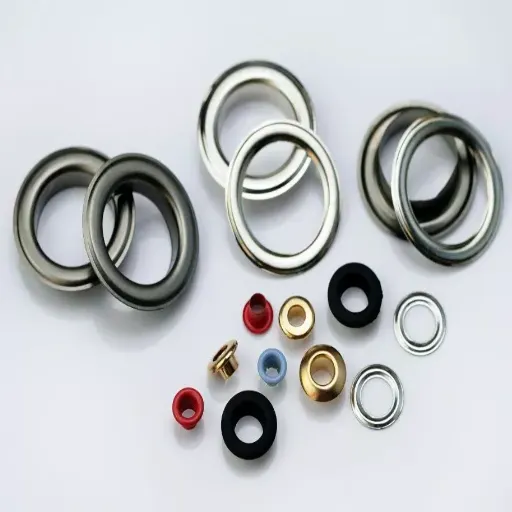
The grommets are the connection between the cover and the structure. If they corrode, pull out, or tear the fabric, the entire cover fails. That’s why choosing the right grommet material, size, and spacing is just as important as choosing the fabric.
Grommet Materials
- Brass grommets resist rust and corrosion in most outdoor environments. They’re the most common choice for PE, PVC, and canvas tarpaulins.
- Stainless steel grommets are the best option for saltwater, coastal air, and highly corrosive industrial settings. They cost more but last significantly longer in harsh conditions.
- Aluminum grommets are lightweight and rust-resistant. They work well for light-duty and medium-duty covers but aren’t ideal for heavy-load or high-wind applications.
- Plastic grommets are lightweight and corrosion-proof. They’re sometimes used on PVC tarpaulins for indoor or chemical environments where metal corrosion is a concern.
Grommet Sizes
Grommet size refers to the inner diameter of the hole. Common sizes include 3/8 inch and 1/2 inch. Larger sizes are available for heavy-duty applications.
The right size depends on the rope, cord, or hook you plan to use. A 3/8-inch grommet fits standard bungee cords and light rope. A 1/2-inch grommet works with thicker rope and heavy-duty tie-downs.
Standard Grommet Spacing
Spacing controls how evenly tension is distributed across the cover. Wider spacing reduces cost but increases stress at each point. Closer spacing improves stability but adds material and labor.
- Light-duty or temporary covers: 36–48 inches apart
- General-purpose outdoor tarps: 18–24 inches apart
- Heavy-duty or high-wind applications: 12–18 inches apart
- Large industrial or transport tarps: 6–12 inches apart
These spacing guidelines come from common industry practice and manufacturer recommendations. For example, Sendow Tarps notes that heavy-duty PVC tarpaulins typically ship with grommets every 18 to 24 inches, with customization available for special layouts.
Grommet Spacing by Application
Different industries place different loads on tarpaulin tie-downs. Matching the spacing to the application prevents sagging, flapping, and premature wear.
Agriculture
Agricultural covers protect hay, crops, and equipment from sun and rain. Wind exposure is usually moderate, and covers are often secured to low frames or stakes. Grommet spacing of 24 to 36 inches is usually sufficient. Brass or aluminum grommets work well in open fields.
Construction
Construction site covers face high winds, debris, and frequent handling. Scaffolding sheeting and material covers benefit from 18- to 24-inch spacing with reinforced corners. For debris netting or high-wind scaffolding, spacing of 12 to 18 inches is safer.
Logistics and Trucking
Flatbed and trailer covers must stay tight at highway speeds. Spacing of 12 to 18 inches along the sides and ends is common, with extra reinforcement at the corners. Stainless steel or brass grommets resist the constant vibration and weather exposure of long-distance transport.
When a construction contractor in Southeast Asia ordered custom PVC truck covers with brass grommets every 12 inches, the tarps stopped tearing at the anchor points during monsoon season. The closer spacing distributed wind loads more evenly, and the reinforced corners held up under repeated tensioning.
Marine and Coastal Environments
Salt air corrodes standard metal hardware quickly. For boat covers, dockside storage, and coastal construction, stainless steel grommets are essential. Spacing should be closer, typically 12 to 18 inches, because coastal winds are unpredictable and strong.
Industrial Enclosures
Large industrial curtains and warehouse dividers often span wide openings. Grommets are placed to match existing track systems or support beams rather than following a strict spacing rule. In these cases, a dimensional drawing is the most reliable way to communicate requirements to the manufacturer.
How to Measure and Specify a Custom Tarpaulin with Grommets
Accurate measurements are the foundation of a successful custom order. Small errors in length or width can leave gaps or create excess material that flaps and wears.
Finished Size vs. Cut Size
Finished size is the final dimension of the completed tarpaulin after hems and seams are added. Cut size is the dimension of the fabric before finishing. When you order, always specify which measurement you’re providing. Most manufacturers prefer finished size because it reflects the actual cover you’ll receive.
Measuring Length and Width
Measure the area you need to cover, then add overlap on all sides. A common rule is to add 6 to 12 inches of overlap per side for secure fastening. If the cover wraps around an object, include that wrap distance in your measurement.
Mapping Grommet Locations
Mark where your anchor points are located before you request a quote. Provide the distance from each edge to the first grommet, the spacing between grommets, and any special locations such as corners, midpoints, or ridgelines. A simple sketch with dimensions is often clearer than a written description.
Tolerances
Manufacturing tolerances for custom tarpaulins typically range from plus or minus 1 to 5 centimeters, depending on the material and production method. Welded PVC panels and heat-sealed PE hems each have their own tolerance ranges. Confirm the expected tolerance with your supplier before production begins.
Sample Specification Checklist
- Finished dimensions: length x width
- Material type and weight: PE, PVC, canvas, or HDPE, with GSM or oz/yd²
- Color and finish: standard, UV-treated, fire-retardant, printed
- Grommet material: brass, aluminum, stainless steel, or plastic
- Grommet size: inner diameter
- Grommet spacing: distance between centers
- Edge treatment: hemmed, rope-reinforced, or heat-sealed
- Corner reinforcement: standard or double-layer
- Quantity and delivery location
Need help preparing your specification? Contact our team and we’ll review your measurements and recommend the right configuration.
Quality Control: What to Look for in a Manufacturer
Not all custom tarpaulins are manufactured to the same standard. A reliable supplier should be able to explain every step of production and provide consistent quality from the first sample to the full order.
Precision Cutting and Finishing
Look for clean, straight edges and uniform hems. Heat-sealed hems on PE and welded seams on PVC should be flat and even, with no gaps or weak spots. Precision cutting reduces fabric waste and ensures your finished size is accurate.
Reinforced Grommet Zones
Grommets should be set through reinforced material or additional fabric layers, especially at corners and along high-tension edges. Reinforcement prevents the ring from pulling through the fabric under load. Heavy Duty Tarps recommends keeping grommets at least 1 inch from the edge to reduce tear-out risk.
Rustproof Hardware
For outdoor use, insist on rustproof or corrosion-resistant grommets. Even inland environments expose covers to rain, humidity, and temperature swings that can degrade untreated metal over time.
Consistent Spacing and Alignment
Grommets should be evenly spaced and aligned along each edge. Misaligned grommets make installation difficult and create uneven tension that shortens the cover’s life.
Certifications and Testing
Depending on your application, you may need certifications for UV resistance, waterproofing, fire retardancy, or tensile strength. A qualified manufacturer should provide test reports or certification documents on request.
At Linyi Chenlai, our production process includes material inspection, precision cutting, reinforced hemming, automated grommet placement, and final quality checks before packing. This system helps us deliver consistent custom tarpaulin products to agricultural, construction, and logistics customers worldwide.
Cost Factors for Custom Tarpaulins with Grommets
Custom pricing depends on material, size, hardware, and order volume. Understanding these factors helps you request an accurate quote and avoid surprises.
- Material type and weight — PVC costs more than PE, and heavier GSM fabrics cost more than lighter ones. Fire-retardant, UV-stabilized, and printed finishes also add to the price.
- Size and panel construction — Larger covers may require multiple fabric panels welded together. Each seam adds labor and material, so a single-piece cover is usually more economical when size allows.
- Number of grommets and reinforcement — More grommets mean more hardware and more labor. Reinforced corners, rope-in hems, and double-layer grommet zones also increase cost but improve durability.
- Custom colors and printing — Standard colors are usually the most affordable option. Pantone-matched colors, custom stripes like our striped tarpaulin, and logo printing require additional setup and production time.
- Order volume — Larger orders reduce the per-unit cost because setup and tooling expenses are spread across more pieces. If you plan to reorder regularly, discuss annual volume pricing with your supplier.
Common Mistakes to Avoid When Ordering
Even experienced buyers can overlook details that affect performance. Avoid these common errors when specifying your custom tarpaulin with grommets.
- Confusing cut size with finished size. Always confirm which measurement the supplier will use for production. A 10 x 12 meter cut size may become a 9.8 x 11.8 meter finished size after hemming.
- Choosing the wrong grommet material. Brass grommets in a saltwater environment will corrode faster than stainless steel. Aluminum grommets on a heavy transport cover may deform under load.
- Spacing grommets too far apart. Wide spacing saves money upfront but increases stress at each anchor point. In high wind, widely spaced grommets are the first to fail.
- Ignoring corner reinforcement. Corners carry the highest tension on any cover. Skipping reinforcement leads to tearing and shortens the useful life of the tarpaulin.
- Forgetting seam strength on large covers. Multi-panel tarps are only as strong as their seams. Specify welded or double-stitched seams with reinforcement tape for large industrial covers.
Conclusion
A custom tarpaulin with grommets is more than a cut-to-size sheet. It’s a purpose-built cover where every dimension, material choice, and anchor point is selected for the job at hand. When you specify the right fabric, grommet material, spacing, and reinforcement, you’ll get a cover that installs faster, performs better, and lasts longer.
Start by defining the finished dimensions and the conditions the cover will face. Match the material to the application, choose rustproof grommets that fit your tie-down method, and space the anchor points to distribute wind and load evenly. Work with a manufacturer who can verify quality at every step and deliver consistent results at scale.
At Linyi Chenlai Plastic Products Co., Ltd., we’ve spent more than 20 years producing PE, PVC, and specialty tarpaulins for customers in agriculture, construction, logistics, and industry. Whether you need a single custom cover or a bulk order for distribution, our team can help you specify the right custom tarpaulin with grommets for your application.
Contact us today for a detailed quote and technical guidance on your next custom tarpaulin order.