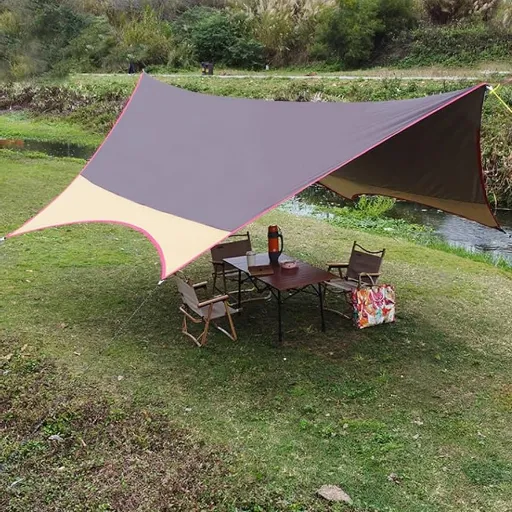
Choosing the correct size tarp is crucial for safeguarding your possessions, encouraging outdoor projects, or providing long-term coverage for more demanding tasks. With the myriad options available today, picking the right tarp can be confusing. That is why we have created this detailed best tarp guide to help make decision-making easier. If you need a tarp for construction materials, equipment, or even for a camping trip, this guide will provide all the details you need to know about heavy-duty tarps. It will help you understand the most critical features and how to select the correct size tailored to your specific needs. Thus, enabling you to make an informed purchase. So, keep reading to learn valuable information and tips to ensure your tarp investment is durable and long-lasting!
What sizes are Available for tarps?
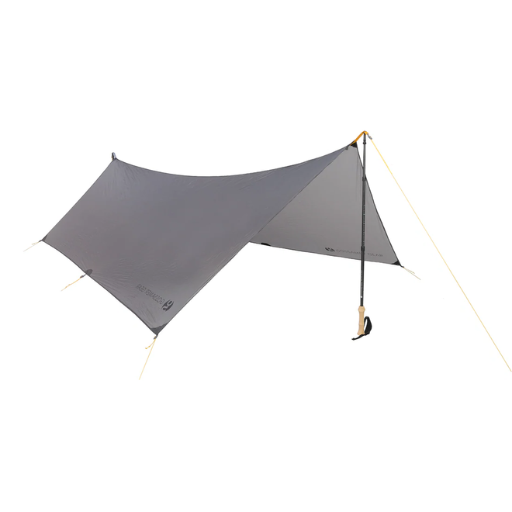
Regularly available tarps come in many sizes. The most popular options include small, 5×7 feet, medium, 10×12 feet, and large, 20×30 feet or larger. Other firms also provide specially tailored dimensions upon request. When deciding on a tarp size, ensure it adequately covers the intended use and area or item that needs protection, while also being practical.
Standard Tarp Sizes and Their Uses
| Tarp Size | Common Uses |
|---|---|
| 6′ x 8′ | Small furniture, bicycles, camping gear |
| 8′ x 10′ | Tent rainfly, small outdoor projects |
| 10′ x 12′ | Medium furniture, garden equipment |
| 12′ x 16′ | Car covers, larger camping shelters |
| 20′ x 30′ | Construction materials, large vehicles |
| 100′ x 100′ | Roofing, large-scale construction |
| 170′ x 170′ | Baseball fields, sports grounds |
Custom Tarp Options for Unique Needs
Custom tarps are ideal for businesses or individuals who require specific coverage that cannot be achieved with conventional sizes. Innovative technologies allow custom tarps to fit numerous applications such as unevenly shaped equipment, bespoke vehicles, or outdoor sites.
Vinyl, polyethylene, and canvas materials achieve durability and custom tarp performance across various environments. For instance, industrial and construction-grade heavy-duty vinyl tarps are best suited for industrial and construction applications because of their strong tear and weather resistance. Safety-sensitive applications such as welding or event staging can access flame-retardant tarps for further added safety.
The latest studies state that custom tarp providers frequently include waterproof coatings, UV protection, reinforced edges, grommet placement, and fire-resistant coatings. Notable providers like Tarps Now and MyTarp offer custom tarps, and their customers can customize the measurements and specifications through an online interface. Reportedly, the agricultural, transport, and logistics industries rely heavily on tailored solutions to address operational issues.
Users enjoy unmatched coverage with tailored solutions, and custom tarps reduce product wear and tear expenses along with operating costs tied to inadequate protection.
With just a request, contemporary customization techniques make it easier than ever to receive the right tarp solution for any size, shape, or purpose.
How to Choose the Right Tarp Size for Your Project
Selecting the appropriate tarp size for your project aids in proper coverage, protection, and functionality. Here are five steps that will help you determine the correct size:
- Measuring the Size of the Area that Needs Coverage
In this first step, measure the length, width, and height of the object you intend to cover. Ensure that enough material is added to make fastening or adjustments secure. For irregular shapes, take several measures to enhance the accuracy.
- Add Function Purpose to the Tarp
Establish if the tarp covers equipment, provides temporary shelter, or protects surfaces from weather elements. For example, larger tarps would be essential if the equipment has to be covered as an overhang.
- Take Material Thickness (Mil) into Account
Thicker tarps are stronger and more durable, making them ideal for heavy-duty applications. Yet, due to their more rigid nature, thicker tarps likely require additional height for proper fastening.
- Consider Environmental Conditions
Assess the climate conditions where the tarp will be utilized. If it will be subject to very high winds and moved around a lot, it’s better to go with a size that provides comprehensive anchoring to secure it in place.
- Leave Spacer Margins for Secure Fastening
While securing the tarp, extra flexible material may be needed, be it through grommets or ropes. This is most critical in large and heavily used areas.
Evaluating the aspects above will help you choose the right tarp size for your project, ensuring efficiency and durability for any use.
Understanding Heavy-Duty and Light-Duty Tarps
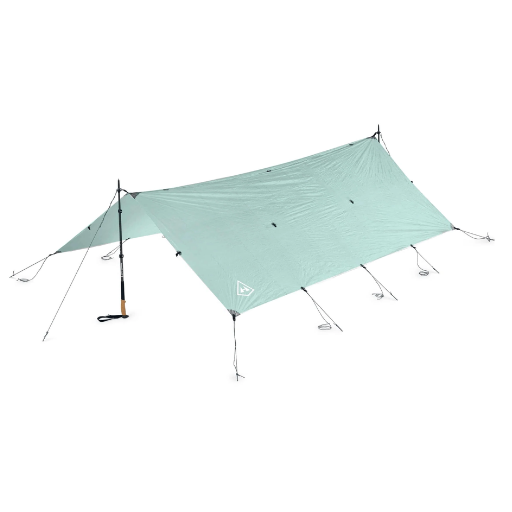
Heavy-duty tarps—you grab when you embark on a serious endeavor—are made of polyethylene or vinyl and can withstand rigorous pressures. They are significantly thicker than their counterparts, making them ideal for industrial work, equipment protective covers, or outdoor tarp shelters that require extended use. Heavy-duty tarps are reinforced to make them weather-resistant and much more tear-resistant than your standard tarp.
Light-duty tarps do not require high resistance to wear and tear. These utility tarps are best if only mild weather resistance is needed, such as providing shade over furniture or simple covering. Since these tarps are significantly lighter than their counterparts, they are also considerably cheaper.
Your choice solely depends on your specific needs. If you’re looking for ease of use, you must opt for light-duty tarps, whereas heavy-duty tarps will be the best if you need something that will stand the test of time.
Differences Between Heavy-Duty Tarps and Light-Duty Tarps
| Parameter | Heavy-Duty Tarps | Light-Duty Tarps |
|---|---|---|
| Material | Polyethylene, canvas, vinyl | Nylon, polyester, thin polyethylene |
| Thickness | Thicker, 10-20+ mils | Thinner, 5-8 mils |
| Durability | High, tear-resistant | Moderate, less tear-resistant |
| Weather Resistance | Excellent, UV and water-resistant | Basic, limited weather protection |
| Weight | Heavier, less portable | Lightweight, easy to carry |
| Applications | Construction, industrial, trucking | Camping, temporary covers, light use |
| Cost | Higher, long-term investment | Lower, budget-friendly |
When to Use Heavy-Duty Tarps
While heavy-duty tarps should be used in these environments, they are best when prolonged use is expected, such as for stored equipment, construction site maintenance, or protection during extreme weather.
Advantages of Light-Duty Tarps for Indoor Use
| Parameter | Advantage |
|---|---|
| Weight | Lightweight, easy to handle |
| Cost | Affordable for temporary applications |
| Flexibility | Covers irregular shapes effectively |
| Protection | Shield the furniture during painting |
| Storage | Compact and easy to store |
| Eco-Friendliness | Often made from recycled materials |
Exploring Thickness and Mil Thickness of Tarps
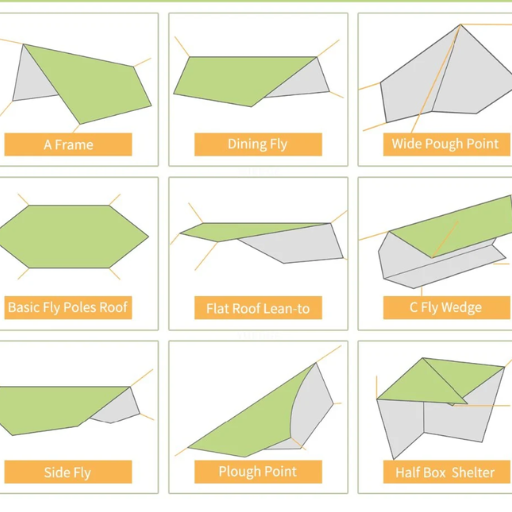
Tarps are usually classified by thickness in mils, where one mil is one thousandth of an inch. Generally, the thicker the tarp, the more durable it is; therefore, tarps rated at 10 mils or above are more suitable for outdoor use or heavy-duty work. Tarps that are lighter, between 5 and 7 mils, are better for indoor activities and temporary use. Selecting the appropriate thickness should be based on how much protection and durability you need.
What Does Mil Thickness Mean?
Mil thickness is a commonly used unit for quantifying the thickness of materials such as plastic sheets, tarps, or other protective coverings. One mil measures 0.001 inches, which is equal to 25.4 microns. This measurement is essential when considering a material’s strength, flexibility, and durability.
For instance, a tarp with six mil will be 0.006 inches thick. This thickness is lightweight and commonly used to cover indoor spaces for short-term use, like shielding furniture during remodeling. In comparison, an 18 mil tarp would be much thicker at 0.018 inches, and is usually heavy-duty, meant for long-term outdoor use. It can also cover machinery or act as a vapor barrier.
A general breakdown of thickness ranges according to application includes:
- 5-7 Mil: Considered light-duty, this range is best suited for covering patio furniture or other indoor uses.
- 8-10 Mil: Medium duty range ideal for short-term outdoor exposure, these tarps can be used for equipment cover or mild weather shield.
- 12-16 Mil: Heavy-duty at this range can tackle harsher weather while resisting greater tears and abrasions. It may be used at construction sites or in agriculture.
- 18+ Mils: Super Strong tarps are designed for long-term outdoor use, such as industrial work and areas that experience severe weather.
Understanding all these edges will aid users in choosing the tarp material that best suits their unique requirements. Furthermore, thicker tarps tend to weigh more per square foot because of their density, impacting portability and ease of use.
How Tarp Thickness Impacts Durability
| Parameter | Impact of Thickness |
|---|---|
| Tear Resistance | Thicker tarps resist tears better |
| Abrasion Resistance | Increased thickness reduces wear |
| Weather Protection | Thicker tarps handle harsh weather |
| Waterproofing | Thicker tarps offer better waterproofing |
| UV Resistance | Enhanced UV protection with thickness |
| Flexibility | Thicker tarps are less flexible |
| Weight | Thicker tarps are heavier |
| Cost | Thicker tarps are more expensive |
Choosing the Right Mil Thickness for Your Needs
The mil thickness is critical when choosing a tarp because it will affect its durability, weight, and use. A mil is a form of measuring physical thickness, equivalent to 1/1000 of an inch. Tarps are sold in thicknesses, starting with five mils for lighter use and up to 20+ mils for heavy-duty. Below is a description of these ranges and their everyday use.
- 5-10 Mil Thickness
These lightweight tarps are best for covering vehicles, outdoor furniture, and firewood for limited periods. They are also portable and easy to handle, which makes them suitable for the home. A 6 mil tarp, for example, works great for camping or as a dust cover.
- 11-15 Mil Thickness
These medium-duty tarps provide good strength and flexibility. They are used in agriculture, construction, and covering large machines. A good example is the 12-millimeter tarp, which is durable enough to withstand most weather and repel damage from prolonged use outside.
- 16-20+ Mil Thickness
Heavy-duty tarps usually begin at 16 mils thick or greater. These tarps are made to endure severe weather, abrasion, and extended exposure to UV light. They are often employed in industrial areas like roofing, hauling, or protecting large equipment in extremely harsh conditions. A 20-mil tarp is exceptionally resistant to tearing and is preferred for long-term use.
Key Considerations
- Intended Application—Analyze the surrounding environment and the purpose of use of the tarp. Will it be subjected to strong wind, heavy rain, or UV exposure?
- Material Choice—Thick tarps, 16+ mils, are usually constructed of polyethylene or canvas, which makes them more durable.
- Portability vs. Protection – Heavier, less portable thick tarps offer greater protection, while thinner alternatives may be ideal for projects that require frequent relocation.
Research shows that thick tarps last longer and resist wear and tear better. The following is a sample comparison of average tarp lifespan with usage:
| Thickness | Lifespan (Average) | Common Uses |
|---|---|---|
| 5-10 Mil | 6 months to 1 year | Light-duty coverings, camping tarps |
| 11-15 Mil | 1-2 years | Agriculture, mid-term outdoor protection |
| 16-20+ Mil | 3+ years (with proper care) | Industrial settings, severe weather coverage, roofing |
With this information, users can confidently select the right mil thickness that matches their specific requirements, ensuring optimal performance and longevity.
What Are the Best Materials for Heavy-Duty Tarps?
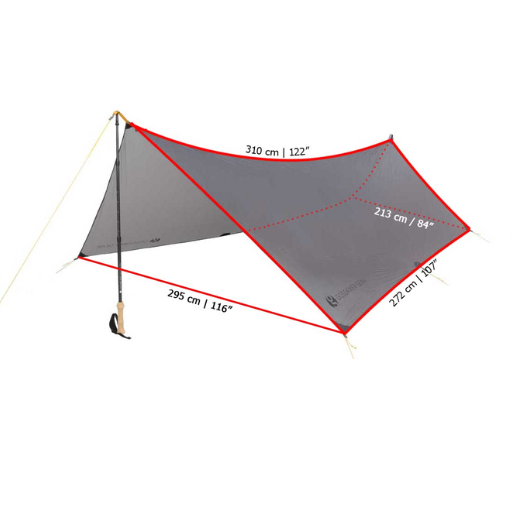
Heavy-duty tarps are best used with polyethylene, canvas, and vinyl.
- Polyethylene tarps are the best protection against outdoor weather conditions. They are lightweight, waterproof, and UV-resistant.
- Extreme durability and tear resistance characterize vinyl tarps, which are designed for industrial use and other harsh conditions.
- Sturdiness and breathability make canvas tarps suitable for covering equipment or materials that need airflow while still being protected.
Geographical and environmental features can alter the selection process of materials since every material has different characteristics.
Comparing Vinyl, Canvas, and Polyethylene Tarps
| Parameter | Vinyl Tarps | Canvas Tarps | Polyethylene Tarps |
|---|---|---|---|
| Material | PVC-coated polyester | Cotton or polyester | Woven polyethylene |
| Durability | High, tear-resistant | Moderate, less durable | Low, prone to tearing |
| Waterproofing | Fully waterproof | Water-resistant | Fully waterproof |
| UV Resistance | Excellent | Moderate | Good |
| Breathability | None | Breathable | None |
| Weight | Heavy | Moderate | Lightweight |
| Cost | High | Moderate | Low |
| Best Uses | Industrial, heavy-duty outdoor | Camping, equipment covers | Temporary covers, light-duty tasks |
Pros and Cons of Vinyl Tarps for Outdoor Use
| Parameter | Pros | Cons |
|---|---|---|
| Durability | Highly durable, tear-resistant | Heavier, more complex to handle |
| Waterproofing | Fully waterproof | None |
| UV Resistance | Excellent UV protection | None |
| Weather Resistance | Withstands extreme weather | None |
| Cost | Long-lasting, cost-effective | Higher initial cost |
| Flexibility | Flexible in various applications | Less flexible in cold weather |
| Maintenance | Easy to clean and maintain | Can be bulky to store |
When to Opt for Canvas Tarps Over Other Materials
Canvas tarps outperform in specific scenarios where their unique properties are advantageous compared to other materials. Mentioned below are five particular situations where canvas tarps would be the best option:
- Situations Where Breathability is Important
Canvas tarps are breathable, which makes them perfect for covering wooden items, hay, or machinery that need air circulation to prevent moisture buildup and the possibility of mold or mildew.
- Covering Soft Surfaces
Canvas tarps are softer in texture which makes them less abrasive than other coverings such as furniture or vehicles and helps prevent scratching compared to more aggressive materials like vinyl and polyethylene.
- Higher temperature resistance
Canvas tarps tolerate heat well and protect against melting and degradation in high-temperature conditions. Construction sites and welding applications, which expose items to heat or sparks, will benefit from these.
- Extended outdoor use
Once treated with protective coatings, canvas tarps become water resistant while still being reliable in strength. Thus, they are ideal for long-term outdoor uses like covering equipment or supplies.
- Environmentally friendly uses
Canvas tarps are biodegradable, making them more eco-friendly compared to synthetic options. Therefore, they are ideal for people or companies that want to implement sustainable options into their projects or daily activities.
Where to Find Tarps for Sale in Various Sizes?
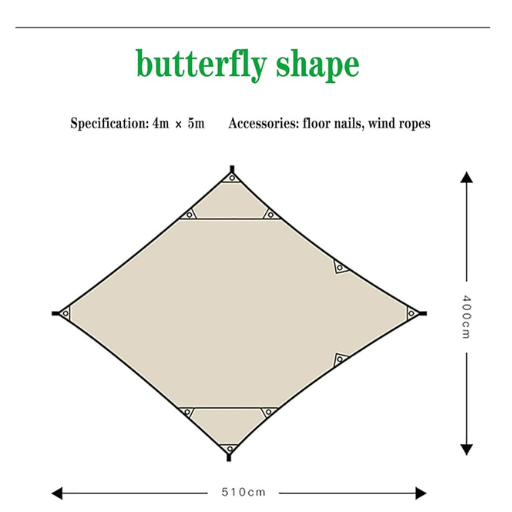
Tarps sold at online shops like Amazon or Tarps Plus come in various sizes. For instance, Walmart also stocks related items such as outdoor cooking and camping gear. Local hardware shops like Lowe’s also stock all-purpose tarps for home use and other outdoor activities. It’s recommended that you read reviews and check the canvas’s description to see if it meets your requirements.
Top Retailers for Extra Large and Medium-Duty Tarps
Home Depot and Walmart are major retailers specializing in extra-large and medium-duty canvas. MyTarp and Tarps Plus are becoming increasingly popular because of added features like specific-grade filters that better suit various functionality requirements.
Online Options for Heavy-Duty Tarps
Because of their reputation, I prefer buying heavy-duty tarps from Amazon. I also check all-purpose stores like Harbor Freight or outdoor gear shops like Home Depot to compare pricing. Specialty websites such as Tarps Plus grade their products, such as camping supplies, into heavy-duty for better usability.
How to Compare Tarps Available for Your Requirements
| Parameter | Key Consideration |
|---|---|
| Purpose | Define intended use (e.g., camping, storage) |
| Material | Choose based on durability, breathability |
| Thickness | Thicker tarps for heavy-duty tasks |
| Size | Ensure proper coverage with overhang |
| Weather Resistance | Check for waterproof and UV protection |
| Weight | Balance portability and durability |
| Grommets | Ensure spacing for secure fastening |
| Color | Match color to visibility or heat needs |
| Cost | Balance budget with quality and longevity |
References
- Canopies and Tarps: This site offers a detailed breakdown of tarp sizes, ranging from small to extra-large, and includes custom size options. It provides insights into common sizes like 8′ x 10′, 12′ x 30′, and up to 170′ x 170′ tarps.
- Tarps Now: This source lists standard tarp sizes from 6′ x 8′ to 170′ x 170′ and custom manufacturing options. It also highlights the materials and applications for large tarps.
- Brix Tarps: This site discusses standard tarp sizes such as 6×8 feet, 10×12 feet, and 20×30 feet, and emphasizes the importance of custom sizing for specific needs.
Frequently Asked Questions (FAQ)
Q: How do I determine the right size for a large tarp?
A: To determine the right size for a large tarp, measure the area you need to cover and consider the overlap required for securing it. Tarp sizes range from small dimensions to extensive options, and it’s essential to factor in the specific needs of your application, such as whether it is for a tent, canopy, or construction site.
Q: What are the best tarp materials for heavy-duty applications?
A: For heavy-duty applications, consider tarps made from materials like PVC, polyethylene fabric, or polyester mesh. These materials are known for their strength and durability and can withstand extreme weather conditions. Poly tarps and super heavy-duty tarp options are also available for demanding applications.
Q: How do I choose a UV-resistant and waterproof tarp?
A: Look for tarps that are labeled as UV-resistant and waterproof. These tarps often come with a special coating that protects against the sun’s harmful rays and prevents water penetration. PVC and polyethylene fabric tarps are popular for their UV and waterproof properties.
Q: What is the importance of weave count in heavy-duty tarps?
A: Weave count refers to the number of threads per square inch in a tarp. A higher weave count generally indicates a thicker and more durable tarp. A 14×14 weave count or higher for heavy-duty tarps is recommended to ensure strength and durability in demanding applications.
Q: Are there tarps that are breathable for specific uses?
A: Breathable tarps are available and often made from materials like polyester mesh or nylon. These tarps allow airflow while providing protection, making them ideal for applications like covering plants or temporary shade structures where ventilation is essential.
Q: How are grommets spaced on heavy-duty tarps?
A: Grommets are typically spaced every few feet along the edges of heavy-duty tarps to provide multiple securing points. This spacing allows flexibility in tying down the tarp and ensures it can be adequately secured against wind and other weather conditions.
Q: What are the advantages of using mesh tarps?
A: Mesh tarps are lightweight and breathable, making them ideal for applications where airflow is needed. They are often used in camps, gardens, and construction sites to provide shade while allowing air to pass through. Mesh tarps are also resistant to abrasion and can be more durable than other tarps.
Q: How do I reinforce the seams of a tarp for added durability?
A: To reinforce tarp seams, use seam sealant or fabric patches. Some heavy-duty tarps already have reinforced seams to enhance their durability and resistance to tearing, making them ideal for extreme weather and demanding applications.
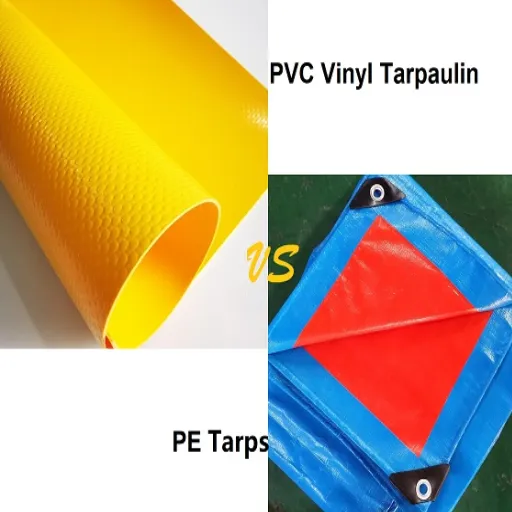
Q: What is the difference between poly tarps and PVC tarps?
A: Poly tarps are made from polyethylene fabric and are generally lighter and more affordable. They are ideal for short-term use and moderate weather conditions. On the other hand, PVC tarps are heavier, more durable, and resistant to UV rays and extreme weather, making them suitable for long-term and demanding applications.
Q: Why is it important to consider the weight per square yard when selecting a tarp?
A: The weight per square yard indicates the thickness and durability of the tarp. Heavier tarps are generally more durable and can withstand harsh weather conditions better than lighter ones. When selecting a tarp, consider the weight per square yard to ensure it meets your specific application’s strength and durability requirements.