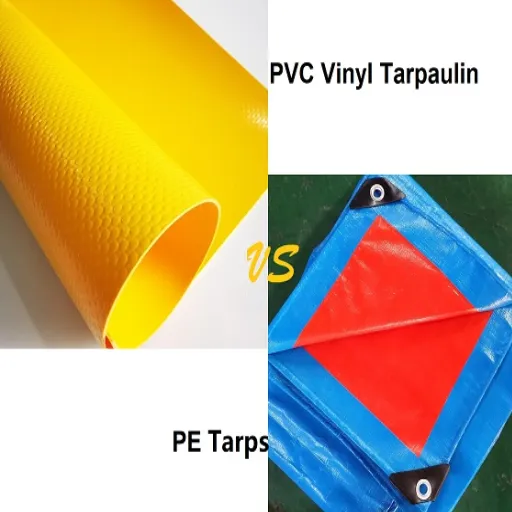
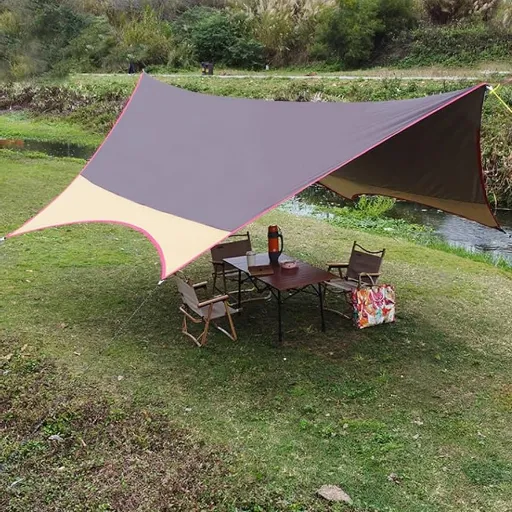
High-quality tarpaulin covers are among the most versatile and durable solutions for the protection of valuable goods on the road. They are meant to protect truck loads against severe shades of weather, i.e., heavy rain, intense sunlight, and gale-strong winds. Tarpaulin covers prove vital investments to fleet owners, logistics providers, and independent truckers. This well-documented guide will walk you through everything you should know about tarpaulin covers for trucks, focusing on their waterproof attributes, ruggedness, and options available in the market for different hauling requirements. If you want to keep your cargo safe, conform to transportation regulations, or just want to secure the life of your truck bed, then this article will provide you with all detailed insights to make an informed choice.
Understanding Tarpaulin Covers

Tarpaulin covers, or tarps, are resilient covers made using polyethylene, canvas, or vinyl. These covers provide protection to cargo or equipment against rain, wind, and sunlight. Given that tarps are waterproof and erosion-resistant, they find use in transport and storage applications where it is important that the goods must be shielded against damage. Tarps are available for purchase in a variety of sizes, thicknesses, and styles, so the user may select any style that best suits his hauling needs.
What is a Tarpaulin Cover?
A tarpaulin, commonly known as tarp, is basically a rigid nausea-flexible body made typical of polyester, polyethylene, or canvas materials to be waterproof, UV-resistant, and abrasion-resistant. Tarps were mainly designed to protect cargoes and objects that needed protection from such environmental adversities as rain, sunlight, wind, or dust. Therefore, they are of paramount importance for any residential or industrial cleanliness. They are relatively new types of tarps made up of modern materials and finishes; thus, their longevity and tensile strength are greatly enhanced with HDPE and LDPE. There are so many grades for tarps: from the thin ones meant for light use to those heavy and super thick industrial tarps for the very harshest conditions. These covers find use in almost everything that involves covering construction materials, agricultural supplies, and so on. Given that they can cover anything from construction sites to agricultural supplies, indeed tarpaulin covers do prove to be very versatile.
Types of Tarpaulin Covers
Tarpaulin covers include polyethylene, canvas, vinyl, PVC, mesh, and insulated tarps.
| Type | Material | Features | Use Case | Durability |
|---|---|---|---|---|
| Polyethylene | Synthetic | Waterproof, UV-resistant | Multi-purpose | High |
| Canvas | Cotton/Poly | Breathable, Durable | Construction/Outdoor | Moderate |
| Vinyl | PVC Coating | Heavy-duty, Weather-proof | Industrial | Very High |
| PVC | PVC | Flame-retardant, Flexible | Truck Covers | High |
| Mesh | Synthetic | Lightweight, Ventilated | Agriculture/Shade | Medium |
| Insulated | Poly/Vinyl | Thermal, Weather-resistant | Cold Storage | High |
Benefits of Using a Tarpaulin Cover for Trucks
1.Weather Protection: Tarpaulin covers keep truckloads from adverse weather conditions, such as rain, snow, or harsh rays of sunlight, ensuring the cargo remains dry and fine.
2.Durability and Longevity: Made of good materials like PVC tarpaulin, they provide very good resistance against wear and tear, which eventually makes the cover last for a long time and hence protects reliably over the period.
3.Cargo Safety: If fastened correctly, gig covers act to secure the load in transit and lessen the chances of the articles shifting or even falling off from the truck.
4.Cost Efficiency: The tarpaulin covers reduce the damages to the goods and maintenance for the truck bed itself, finally lowering the transportation cost.
5.Versatility: Depending on the form and material, tarpaulin covers are found to cover different industrial plants and load types, from agriculture products to heavy industrial equipment.
Choosing the Right Truck Cover Material
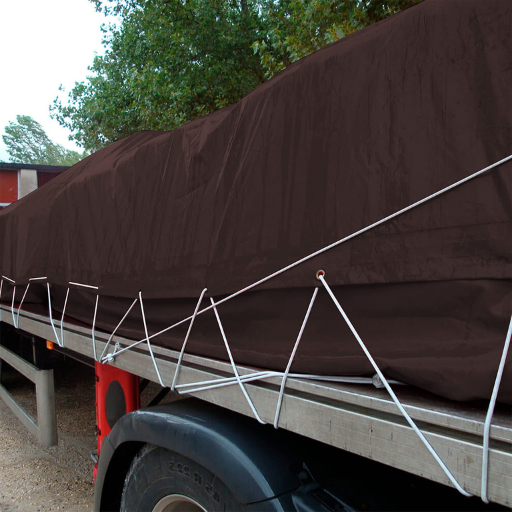
When choosing the appropriate truck cover material, one thinks of durability, weather resistance, and load compatibility. Polyethylene tarps provide lightweight and inexpensive covering for general use. PVC-coated fabric, with its unmatched strength and waterproofing qualities, is best used for heavy-duty cartage and industrial applications. It is best that semi-permeable covers confer the necessary ventilation to their loads of agricultural goods. Consider the special requirements of your goods and conditions to ensure the best performance and further life of the material chosen.
Overview of Truck Cover Fabrics
Truck cover fabric groups are too numerous to name when meeting the varying operational requirements and environmental conditions. PE tarpaulins, light in weight and low-priced, provide adequate protection against water, sunlight, and mild abrasion, thus making them suitable for everyday use. PVC-coated tarpaulins, also called industrial in heavy-duty situations, offer higher durability, weather resistance, and waterproofing in their guarantee of performance under challenging conditions. However, mesh fabrics cater to specialized needs requiring ventilation, such as in the conveyance of agricultural or perishable goods, making these fabrics highly breathable. To maximize efficiency and lifespan of the product, compatibility must be checked with respect to cargo type, climate factors, and intended use.
Heavy Duty vs. Lightweight Tarps
Heavy-duty tarps prioritize durability, strength, and weather resistance, while lightweight tarps focus on portability, cost-efficiency, and ease of handling.
| Parameter | Heavy Duty Tarps | Lightweight Tarps |
|---|---|---|
| Material | Thick, rugged | Thin, flexible |
| Weight | Heavier | Lighter |
| Durability | High | Moderate |
| Weather Res. | Excellent | Basic |
| Portability | Limited | High |
| Cost | Higher | Lower |
| Use Case | Industrial | General |
| Lifespan | Extended | Shorter |
Heavy-duty tarps are ideal for industrial, construction, or severe weather scenarios, while lightweight tarps are preferred for temporary, less demanding applications requiring ease of transport.
PVC and Canvas Tarps: Which is Best?
PVC tarps are best for waterproofing and durability, while canvas tarps excel in breathability and environmental friendliness.
| Parameter | PVC Tarps | Canvas Tarps |
|---|---|---|
| Waterproof | Excellent | Moderate |
| Durability | Superior | Good |
| Breathable | No | Yes |
| Weight | Heavier | Lighter |
| Weather Res. | High | Moderate |
| Eco-Friendly | No | Yes |
| Flexibility | Good | Moderate |
| Cost | Higher | Medium |
| Use Case | Industrial | General |
PVC tarps are ideal for heavy-duty uses requiring total waterproofing and long-term durability, while canvas tarps are better suited for applications requiring breathability, lighter weight, and eco-conscious material.
Key Features of Quality Tarpaulin Covers
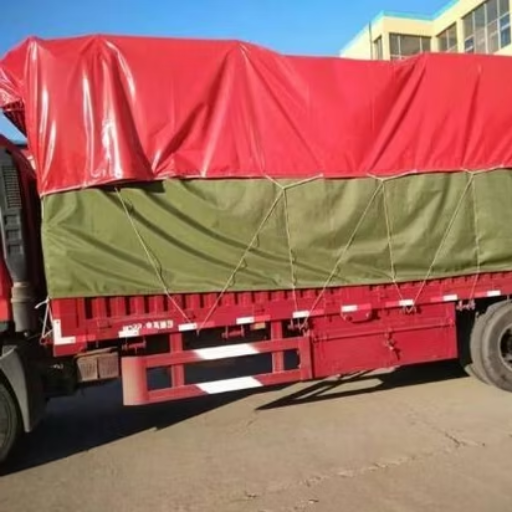
1.Material Strength: High-quality tarpaulin covers are manufactured from materials that have been treated to withstand the test of wear and tear for long durations, such as PVC or canvas.
2.Water Resistance: Typically, the tarpaulin cover offers some water-resisting properties ranging anywhere from completely waterproof PVC to water-resistant canvas in assorted combinations and guarantees protection under all weather conditions.
3.UV Protection: Top-grade covers are coated with UV protection that prevents degradation of the material when exposed to years of sunlight.
4.Tear Resistance: Reinforced edges with tightly woven fabric aid more and more in resisting the tearing and puncturing forces in demanding operations.
5.Versatility: Considered for many applications-from industrial heavy-duty use to general lightweight needs basis-based flexibility for each use.
6.Environmental-Friendly: Options like canvas tarps may reduce the environmental exposure as compared to synthetics.
7.Customizability: Can be manufactured in all sizes, weights, and finishes to fulfill any given set of requirements for projects.
Waterproof and Rainproof Properties
Tarps are made with materials and finishes that determine their waterproof and rainproof properties. Class A tarpaulins are made of materials like polyethylene or vinyl, which are waterproof by nature because of their tiny mesh structure and sealed surface. Thus, they do not allow water entry even if under very prolonged exposure to water, making them good candidates for heavy rains or wet areas. Seams are also sealed with heat, in some cases, to provide extra water resistance. Poly tarps have a laminated coating to reject moisture, while canvas tarps are waxed or silicone treated for water-repellency enhancement. The tarp choice should depend on the environmental conditions and the protection level needed.
Windproof Advantages for Truck Operations
Essential in ensuring safety and efficiency in truck operations, windproof tarps become even more critical when transporting cargo for long kilometers. These tarps are engineered to minimize wind resistance and prevent the phenomenon of flapping due to high-speed airflow, which leads to the eventual deterioration of tarpaulins over time. Finest-quality windproof tarps owe their strength to materials with stronger tensile strength, such as woven polyethylene or PVC, with reinforcements placed at the points most susceptible to wear.
An effective windproof tarp serves as a tight cover, keeping the cargo away from negative weather factors such as flying debris, dust, or moisture carried by strong winds. At the same time, these tarps help lessen the aerodynamic drag that vehicles go through, thereby fostering higher fuel efficiency and lowering operational costs. For a good fit, windproof tarps typically come with adjustable straps and grommets, which helps keep them from coming off in adverse conditions. The existence of such benefits justifies the windproof tarp’s role as one of the primary tools that ensure goods are transported safely, legally, and peacefully.
Importance of Eyelets and Securing Mechanisms
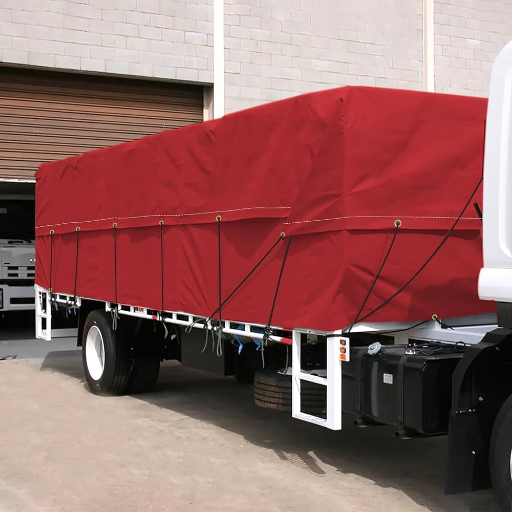
In my opinion, eyelets and securing mechanisms are fundamental to the sound functioning of windproof tarps. Eyelets provide crucial anchoring points, thus distributing the tension evenly throughout the tarp and preventing certain areas from wear and tear. When used together with good-quality securing mechanisms, for example, adjustable straps, bungee cords, or ropes, they help ensure the tarp remains stable and intact, even in extreme weather conditions such as strong winds or heavy rain. These provisions may extend the life of the tarp and guarantee the secure protection of the transported goods according to the standards for secure and efficient cargo handling.
Factors to Consider When Selecting a Truck Tarpaulin
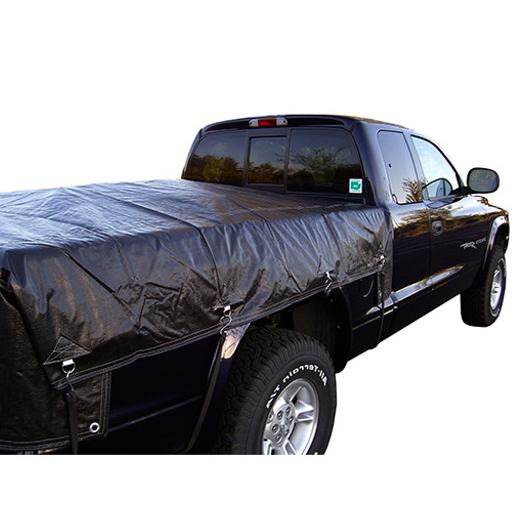
1.Material Durability and Strength
For truck tarpaulins, select materials having high tensile strength and wear resistance. Heavy materials typically include PVC-coated polyester or polyethylene, which can withstand all sorts of weather.
2.Weather Resistance
Assess a tarp’s ability to withstand extreme weather conditions. Check for water-resistance or waterproofing, UV-protection, and compatibility to work through high or low temperatures under any abnormal climatic phase.
3.Size and Fit
Fine-tuning the size of a tarp is an extremely important task to do with the sizes of your truck. Proper fitting ensures less slack and minimal movement while in transit, thereby providing proper protection to cargo, and are also considered best position for safety requirements according to traffics.
4.Attachment Systems
Check the availability and quality of attachment systems; these generally include reinforced grommets, D-rings, or integrated straps. They should allow for good securement and hold firmly in the worst of scenarios.
5.Maintenance and Long Life
In the process, consider which tarp is the easiest to maintain. Good Tarps don’t take much care and last long so they cut down on costs and down time for operations.
Material Quality and Durability
Evaluating material quality and durability will point me toward robust and weather-resistant fabrics such as vinyl, polyethylene, or canvas, as confirmed by credible sources. They are known to withstand harsh conditions of UV light, moisture, and abrasion. I also check for thickness, usually measured in mils or GSM (grams per square meter), as a higher number generally indicates greater strength and durability. I prefer the option with reinforced edges and a high tear resistance, on which a tarp can hold up with continuous stress and wear for some good years.
Size and Compatibility with Different Truck Models
The size and fit-gare the ones to guarantee proper coverage and getting that tarp to stay in place. Truck tarps come in standard sizes that correspond to common truck bed dimensions for small, medium, and large models. Standard dimensions like 8 by 10 feet and 16 by 20 feet offer plenty of options for diverse applications. Then again, customized sizing can be selected for trucks with non-standard dimensions or for specific needs.
In checking compatibility, it is at hand to put side by side the measurements of the tarp and that of the truck bed, plus an estimate of extra room needed for tying down the tarp over the cargo. Many tarps are listed for compatibility for a truck make or class: for instance, a pickup, semi-truck, or flatbed. Compatibility and secure anchoring are enhanced by varying degrees of adjustability in grommets, D-rings, and elastic cords from one model to another. Specifications of high-profile vehicles might call for oversize tarps able to accommodate very tall or irregularly shaped loads. Careful measurement and checking manufacturer recommendation are important steps toward reliable fitting.
Resistance to Wear and Tear
The best tarps are made to stand up to heavy wear and tear through the use of materials such as heavy-duty polyethylene or vinyl. These materials resist abrasion, ultraviolet radiation, and weather extremes, thereby increasing the useful life of the tarp even in heavy use. Reinforced seams, double-stitched edges, and tear-resistant coatings further bolster durability to ensure the tarp holds its integrity against sharp edges, heavy loads, and continuous exposure to outdoor elements. Regular upkeep involving cleaning and scour for damage can maintain the tarp from premature wear and provide for steady performance.
Maintenance Tips for Longevity of Tarpaulin Covers
1.Cleaning: Wash your tarpaulin on a regular basis with mild soap and water to get rid of dirt, debris, and oils, which over the course of time would degrade the material. Do not use abrasive materials or harsh chemicals to clean the cloth. They might scratch or damage the surface.
2.Storage: When not in use, ensure the tarp is completely dry, or else mildew will form. Store it in a cool, dry place, away from all sources of direct sunlight or heavy temperatures that could weaken the material.
3.Inspection: Check for occasional tears, holes, or wear. Fix minor damages immediately using repair patches, or adhesive-based solutions meant strictly for tarps, so that further troubles can be avoided.
4.Ensure Secure Installation: When installing, place the tarp so that it cannot flap in the wind, as this could put stress on the seams and edges. Attach it using reinforced grommets and fasteners that spread out the tension evenly.
5.Overloading: Do not go beyond weight or tension limits of a tarp. Such heavy weight shall strain for some time or long, thereby crippling it.
6.UV and Weather Protection: It would be better to apply UV-resistant coating or install another layer of protection so that the tarp remains shielded from the sun for long hours. Furthermore, reinforcement of weak spots comes in handy during extreme weather to ease the strain.
Proper Cleaning Techniques
On cleaning, I generally keep it simple, focusing on dirt and debris removal that could impede the material’s quality. First, I lay it flat on a clean surface and use a soft-bristled brush or broom just to sweep away loose particles. When dealing with tougher stains, I use a mild detergent diluted in lukewarm water, gently working on the stains, avoiding any harsh chemicals that might damage the tarp’s coating. After the wash, I rinse it thoroughly with a hose, keeping one eye out for residual soap since soap build-up gets into the material and deteriorates it over time. Afterward, I hang the tarp or lay it flat on the ground to air dry entirely before storing it, ensuring no moisture in it that could turn into mildew or mold. Correct drying and cleaning after each use will also prolong the life of the tarp.
Storage Recommendations for Tarps
When storing tarps, I would place cleanliness, dryness, and protection from harsh environmental conditions before all else. Solving the folding of the tarp properly, I will avoid forming sharp creases that might stress the material. I then store it in a cool, dry place, either a garage or in a shed, away from direct sunlight and extreme temperatures, cultivating the durability by time exposure. I may even place the tarp in sealed storage containers or cover bags specifically designed for tarp use, thereby protecting it from being damaged by pests or moisture. Such an approach preserves the tarp in a pristine condition, ready for use again.
Regular Inspections and Repairs
I routinely inspect my tarp for wear signs, such as tears, holes, or fraying along the edges, since these problems impair the tarp’s utility. In the case of minor damage, I immediately patch it: using waterproof tarp repair tape or an adhesive patch kit designed for heavy-duty use. For major damages, such as large rips, I tend to sew the damaged area with heavy-duty thread and reinforce it with a patch for strength. Regular inspection payments ensure that the tarp stays in use, prolongs its lifetime, and keeps minor disturbances from blossoming into big problems.
Reference Sources
- Tarps for Trucks | Truck Covers | Flatbed Truck Tarps – A comprehensive guide on custom truck tarps, including materials like vinyl and mesh.
- Essential Guide to Choosing and Using Heavy Duty Tarpaulins – Offers insights into selecting and using heavy-duty waterproof tarpaulins effectively.
- The Ultimate Guide to Heavy Duty Waterproof Tarpaulin – Discusses the features and benefits of heavy-duty waterproof tarpaulins, including protection against water, dust, and UV light.
- The Ultimate Guide to Heavy Duty Tarpaulin Sheets – Highlights key features like waterproofing, UV resistance, and tear strength for tarpaulin sheets.
- 3 Important Tips for Successful Truck Tarp Repairs – Provides practical advice on repairing truck tarps, ensuring their longevity and functionality.
Frequently Asked Questions (FAQs)
Q: What is a truck tarpaulin cover?
A: A truck tarpaulin cover is basically an all-weather cover for use in protecting cargo from rain, snow, UV rays, etc. The cover is made out of materials that ensure the security of goods during transit.
Q:Why should I use tarpaulin cover for my truck?
A:Tarpaulin covers for trucks protect cargo against environmental hazards; they afford also protection against theft and dirt. That way, the cargo has a longer life and is prevented from getting damaged in costly ways, making it a worthwhile investment for any trucking business.
Q: Are tarpaulin covers waterproof?
A:Most tarpaulin covers are, by any means, water-resistant or waterproof, depending on the material used. However, it is best to check whichever specifications the cover states to ensure your needs for storage from water exposure.
Q: What materials are usually used for tarpaulin covers?
A:Some common materials used for making tarpaulin covers are polyethylene, PVC, and canvas. These materials differ in durability, water resistance, and protection from UV rays, so that users can make their choice based on what suits best for their applications.
Q: How do I get the perfect tarpaulin cover for my truck?
A:Measure the length, width, and height of your truck bed or cargo area. It’s vital to get a cover that has a bit of tension on it so that it won’t flap about and can give full protection to the goods under it.
Q: Can a tarpaulin cover be customized?
A:Yes, many manufacturers actually provide tarpaulin covers with customization options. You can select the dimensions, colors, and even add branding or logos so that the cover can be tailor-made for your business.
Q: How do I maintain and clean my tarpaulin cover?
A:Keep checking for any signs of wear or damages and repair immediately. Cleaning can be from mild soap and water, never resort to harsh chemicals that might degrade the material. Always allow the cover to dry thoroughly before storage to avoid the growth of mold and mildew.
Q: How weather-proof is a tarpaulin cover?
A:Depending on the material, most tarpaulin covers are waterproof or water-resistant. However, you should always read the specifications to ensure they meet your requirements.
Q: Can I use a tarpaulin cover in aggressive weather?
A:Tarpaulin covers can be used in aggressive weather ranging from heat, cold, and heavy rain. Choosing a sturdy cover that is rated for harsh weather will definitely be advantageous.
Q: How do I secure a tarpaulin cover onto my truck?
A:One can secure the tarp paper using bungee cords, straps, or specially designed clips for skins. A tight fastening of the cover will prevent cover going off in transit leaving the cargo unsecured.