The British Army tarp is more than a British military item, it is perhaps one of the most rigorously tested tarps for versatility. Unlike ideal camping tarps, this is known to be durable, waterproof, and adaptable. Such qualities make it popular among not only soldiers, but outdoor and camping enthusiasts, prepper, and hikers.
This post aims to showcase the many advantages and uses of the British Army tarp, highlighting its reliability and performance as a functional survival tool in harsh conditions. We’ll analyze its best features and practical applications, while also addressing how best to use it in different situations. So, no matter if you are a constant adventure or looking to perceive military-grade engineering, this blog aims to inform readers why British army tarps remain a kit essential for any outdoor explorer.
What is a Tarp and How is it Used in the Army?
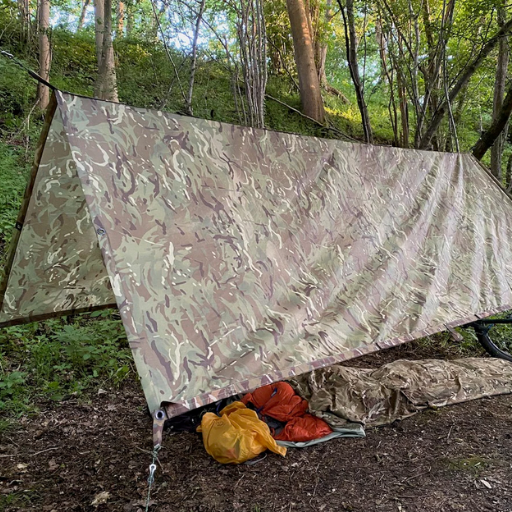
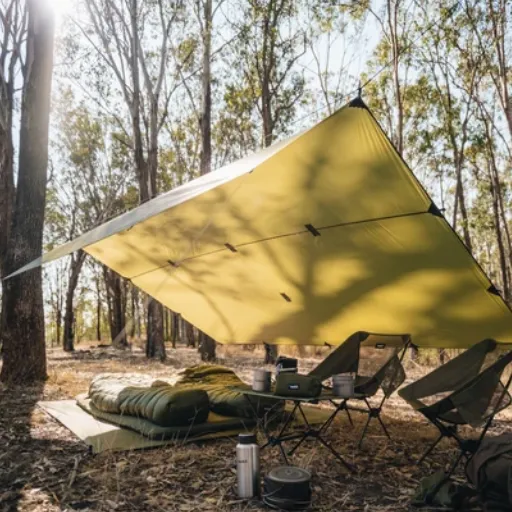
A tarp, or tarpaulin, is a strong, durable sheet made from waterproof or water-resistant materials, including canvas, polyester, or polyethylene. Within the army, tarps are versatile and resilient tools. They function as shelters to protect personnel from severe weather conditions, ground covers to keep equipment and soldiers dry, and provide camouflage or concealment during operations. Furthermore, tarps are quite useful in a military setting since they can be used to create makeshift tents, windbreaks, or storage covers.
Understanding the British Army Basha System
The British Army Basha System is a functional, advanced modular shelter system that can be used in the field. It has a durable tarp or basha sheet, which is lightweight, waterproof, and easy to carry. The system can be set up easily with available ropes, bungees, or poles, and is adaptable to several terrains and conditions. It protects the soldiers from the rain, sun, or wind. It can also be adjusted to function as a hammock or groundsheet depending on the mission. The basha system’s simplicity and versatility provide essential support to the military personnel on deployment or training exercises.
Key Features of Army Tarps
Based on my experiences, army tarps are crafted with resilience, adaptability, as well as practicality in mind. The tarps are made from materials that are waterproof and rip-proof because they are exposed to harsh weather conditions. Furthermore, they are lightweight and compact making them easy to carry and use in different locations. These tarps lightweight and compact design allows for easy transport and erecting in many places. Army tarps are a vital tool in the outdoors and in the field due to their straightforward design and multipurpose functionality.
Common Uses for Tarp Shelters in Military Operations
Based on research, tarp shelters are needed in military operations for a range of integrated functions. Soldiers utilize these tarps to create temporary shelters as protection against harsh weather conditions, including rain, wind, and sun. Tarps can also be useful as makeshift prototype disguises to obstruct equipment, vehicles, and people from the enemy’s sight. Furthermore, tarps are utilized to form ground covers that shield sensitive equipment from water, mud, and other forms of debris. These tarp shelters are useful in several different operational situations due to their practicality and ease of setup.
How to Set Up a Basha Shelter?
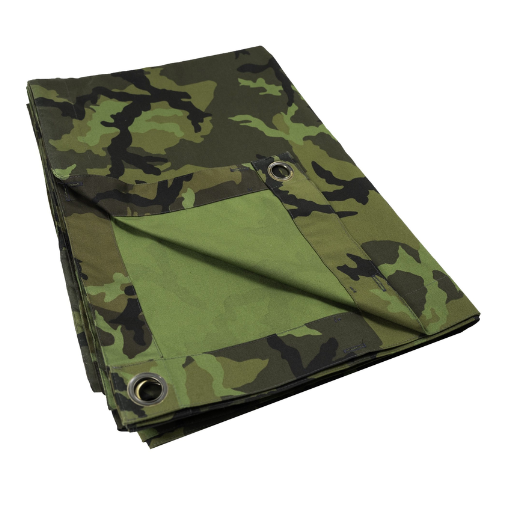
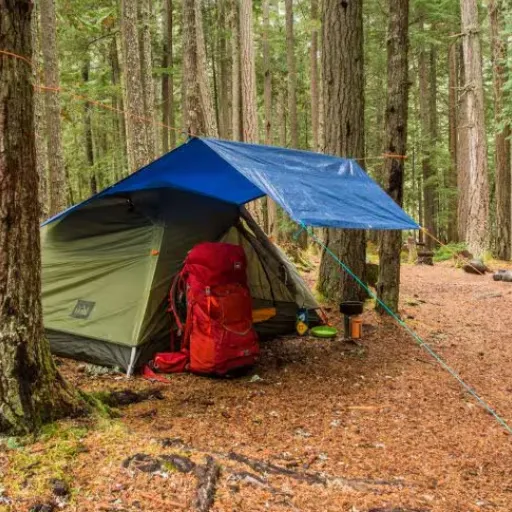
To establish a Basha, redirect your focus on locating two strong anchor points, preferably trees, to tie the center line of the basha tarp. The corners of the tarp should be secured tightly using paracord or bungee cords, and if needed, pegged into the ground. Additional tension can be applied to make certain that the tarp is stable, maintains an angle that permits rainwater run-off, and removes slack. Additional structure or openness can also be achieved by using extra supports, poles, or pre-existing configurations of the structure to flag off the mode of airflow and visibility. Common sense should dictate the selection of a flat and clear area devoid of any form of obstruction in further attempts to ensure comfort.
Essential Equipment for Building a Basha
The right equipment for building a basha is necessary for it to be done properly. For this purpose, use the following items and accompanying specifications:
- Basha Tarp
- Material: It must be rip-stop nylon or polyester. It must also be waterproof and durable.
- Size: For proper coverage, the minimum size should be 2.5 x 3 meters
- Paracord or Guy Lines
- Length: From 3 to 5 meters per line
- Strength: Minimum breaking strength of 250 Kg
- Peg Stakes
- Material: Must be made of Aluminum or Steel
- Quantity: The stakes must be at least 4, but 6-8 is preferred.
- Bungee Cords (Optional)
- Width: 1 to 2 meters, greater when adjustable
- Purpose: For secure flexibility and anchor, use as a reference
- Support Poles (Optional)
- Width: Adjustable, ranging from 1.5 to 2 meters
- Material: Aluminum or Fiberglass
- Knife or Multitool
- Blade Length: Proper length is 7 to 10 cm.
- Feature: Serrated edges, wire cutters, scissors, or any other extremely useful item.
- Groundsheet (Optional)
- Material: Tear-resistant and waterproof
- Size: One primary requirement for the tarp dimensions.
With these tools, a basha can be assembled to provide shelter and protection in response to differing outdoor conditions. Always try to compact these for easy transport.
Step-by-Step Guide to Assembling a Basha Shelter
- Selecting A Perfect Site
My first step is to pick a safe, flat region that has an elevation change, such as trees and rocks acting as natural windbreaks. I also double-check that it is safe from hazards such as falling branches or flooding.
- Site Preparation
I clean the area by removing sharp debris like sticks or stones in order not to cut the tarp or groundsheet. This improves my comfort level while resting, as there are fewer sharp objects.
- Setting Ridgeline
I hang the cord on two solid anchoring structures, for example, trees, and secure it to the right height for the shelter. This serves as the primary support for the tarp.
- Attach The Tarp
My next step is to tarp off the already existing ridgeline by laying it over and guaranteeing that both sides have an equal amount of bare ridgeline. I do this by securing the tarp with paracord or guylines through its eyelets.
- Stake Declining Corners
I ensure the corners of the tarp are pulled taut and fixed them with tent pegs or weighted materials. That way stablaity ensures and the tarp will not flutter freely in the wind.
- Weather Change Adjustments
The more I tweak the height and tension of ventilation and rain runoff, the better it gets with each change. With proper adjustments, strength and comfort improve.
With these steps prepared, the right equipment allows for reliable and effective basha shelters under a variety of conditions.
Tips for Securing Your Army Tarp in Various Environments
Here’s how I effectively secure my army tarp across different environments:
- Rocky Terrain
I make use of paracord to secure the army tarp in rocky places where I try to anchor it to sturdy rocks or boulders. If somewhere does not have the capability to drive stakes through the ground, lassoing the tarp to erect natural formations maintains its structure. On top of that, I also put rocks onto the edges of the tarp which provides added weight.
- Sandy or Loose Soil
When it comes to coarse environments, I apply sand anchors or place stakes into the ground at an angle. Other than that, adjusting the tarp to the lower edges helps reduce the wind resistance. So does attaching sandbags to the tarp of the tarp which will allow it to have a better hold.
- Windy Conditions
In gusty conditions, being able to secure the tarp tightly is critical considering that high winds are always present. Affixing the guylines also should make sure that they are tight as well as double knot them. Putting additional pegs further guarantees that the tarp will not lift up and rip thus reinforcing it. Place the lowest side of the tarp facing the wind.
- Snowy Surfaces
Snow anchors assist with guylines if I need to secure the tarp down and need it to withstand strong gusts of wind. Checking that the tarp is bound at an acute angle will stop an avalanche from building up further, avoiding the risk of collapse.
- Rain-Prone Areas
During the rainy season, ensuring proper drainage is a must. I recommend setting up the tarp with slopes on both sides and a primary slope to direct water runoff, thus averting the formation of pools. I taut the tarp, tightening it at the corners as well as pouring over sealing strips of waterproof tape into breaches to enhance best results.
Technical Parameters:
- Paracord Strength: Minimum 550 lbs. Type III.
- Stake Length: 12 inches minimum for loose sand or soil.
- Tarp material: Must be waterproof and have durable 500-1000 Denier.
- Cleavage for Ventilation: 4-6 inch gap to avert condensation from forming.
Keeping the environment in mind, I can set up the tarp using the techniques discussed and secure the tarp under most conditions.
Why Choose a Waterproof Tarpaulin for Outdoor Activities?
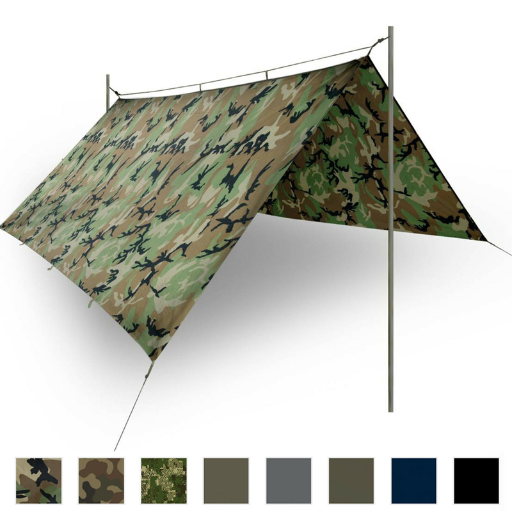
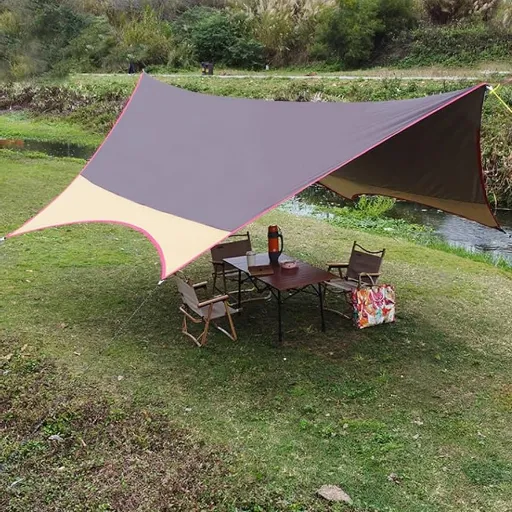
A waterproof tarpaulin is of paramount importance for outdoor activities when it comes to the versatility and durability of the tarp itself. It protects from rain, wind, and sun, allowing you to stay dry, safe, and comfortable regardless of the weather. The waterproof material allows for durability in harsh environments, while the lightweight design makes it easy to carry and set up. Whether you are camping, hiking, or even having an outdoor event, a tarp is great for shelter, covering equipment, and creating a barrier from the weather.
Benefits of Using a Heavy-Duty Waterproof Tarpaulin
It is my understanding that a heavy-duty waterproof tarp can withstand the elements. For me, a tarp is effective as it protects from the wind, rain, and even UV rays. Its reinforced design ensures lasting performance as the tarp resists everyday wear and tears, which is ideal for the occasion. Personally, when I am covering equipment, protecting livestock, or even setting up temporary shelters, the ease of reusing the tarp makes it reliable. In my opinion, it is the high strength, waterproofing, and adaptability that make a tarp so valuable.
Comparing Waterproof Tarps with Other Shelter Options
When compared to other options for shelter, such as tents, plastic sheeting, and canvas tarps, waterproof tarps garner the most attention for being versatile, affordable, and durable. Unlike traditional tents, tarps are much lighter, easier to pack, and more adaptable to different environments. They can be set up in multiple configurations, which is preferred for agriculture, construction, and camping.
Waterproof canvas tarps tend to be more durable and lightweight, but are not fully waterproof without treatment. They also tend to be more expensive. Unlike canvas tarps, plastic sheeting does provide UV protection, but lacks the durability and tear resistance, making it, a single-use solution.
Waterproof tarps technical details:
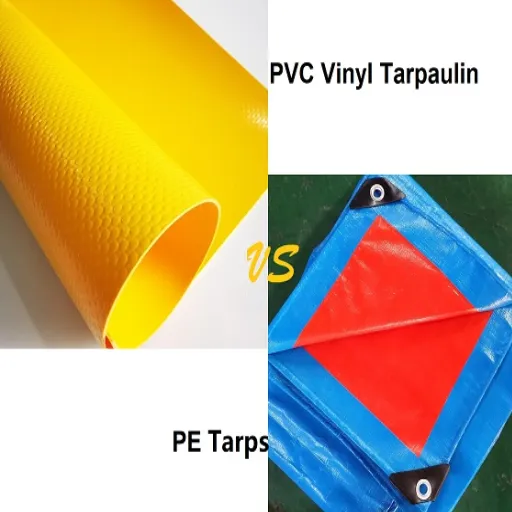
- Material – Made from polyvinyl chloride (PVC) or polyethylene (PE), which aids in weatherproofing and tear resistance.
- Thickness – Options range from 5 to 12 mil, with heavier selections providing more durability.
- Weight – Ranging from 70 g/m², which is light duty, to 250 g/m², which is heavy duty, they are measured in grams per square meter (GSM).
- UV Resistance – Most tarps are treated with shield to resist UV rays so they can be used outdoors for extended periods of time.
- Reinforcement: Grommets, rope edges, and reinforced hems add another layer of strength for securing and handling.
Waterproof tarps are more versatile than other inflexible specialized shelters while still maintaining dependability and performance. Their versatility in various situations makes them a trusted solution for many different requirements.
Maintaining the Durability of Your Waterproof Tarp
My waterproof tarp has a long life because I clean it regularly and remove any dirt or soap using gentle cleaners, not harsh chemicals, which may ruin the material. Once I clean my tarp, I store it in an area devoid of moisture, mold, or mildew, and allow it to dry completely until there are no traces of moisture remaining. I conduct frequent inspections, and in case I find small rips, I deftly cover them with patches that are specifically designed to cover tarps. Adhering to these instructions ensures that my tarp serves me efficiently and has great durability.
What Makes Camo Bashas Unique in Outdoor Shelters?
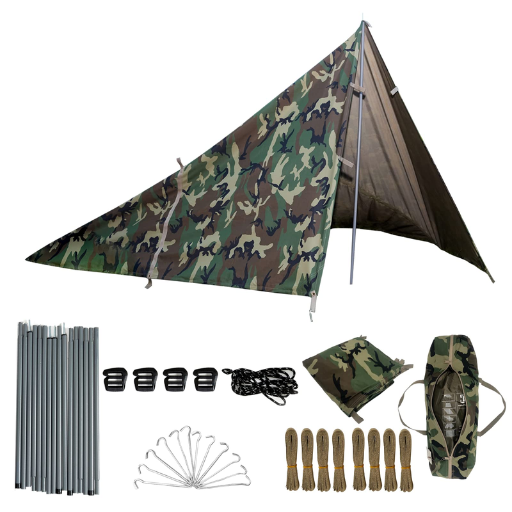
Due to their Camo bashas outdoor shelters boasting superior camouflage shaving design, they stand out in the outdoors, as they are multi-functional and incredibly durable. They can be transported and set up in any variable environment due to their small size and lightweight features. The outstanding concealment aiding towards the bashas enable them to hide during nature shows in activities like camping and hiking, and during military operations, and workable fabric allows for less worrying. The durable fabric along with the robust construction of Camo Bashas also enables them to withstand harsh While these bashas are highly resistant to weather, making them dependable.
The Role of Camouflage in Military Tarp Design
Camouflage aids in military tarp construction by making sure soldiers, vehicles, and military equipment are hidden in vantage points and never detected by anyone. Such tarps feature designs and dyes that are similar to the vegetation in forests, deserts, or urban places so that enemies cannot see them. They are crafted using specific patterns so that all military equipment can be concealed very easily. Tarps are enhanced with advanced technology that helps arms break their outlines and pseudo-merge with the landscape, improving optimal use during military action. Improvised military tarps also have material stretchers embedded to allow the military tarps to work under extreme conditions without exposing them.
Using a Camo Basha for Discreet Camping
While camping, especially for military and scouts, using a camo basha is ideal as it allows the target users to hide in plain sight while being provided the necessities. The camouflage I build differs from other hikers’ camouflages as it permits the use of tarps it is positioned near thick vegetation or rock formations. It is light and can be adjusted in many ways, which makes it easier to pack for hikes, which is critical when building temporary shelters or shade from the sun. Even though I don’t set an upper limit on fire, and my gear is placed in a way that they aren’t noticeable, I try so that my setup doesn’t become eye-catching.
Customization Options for Army Surplus Tarp Shelters
For my military surplus tarp shelter customization, I use a tarp that is versatile and very durable. To ensure proper spacing for balanced tension, I add reinforced grommets or replace weaker ones that are two to three feet apart so that they can handle strong winds and heavy loads. I also set up tactical flexibility using paracord and adjustable guy lines, which can be configured as lean-tos or A-frames. Waterproofing is also an upgrade that I work on by applying seam sealer or silicone spray to the tarp to help it resist heavy rain. I insulate the tarps by layering reflective thermal blankets, which help cover the insulation. These customizations help me adapt the shelters to various weather conditions and environments.
How to Reinforce a Heavy-Duty Waterproof Cover Tarp?
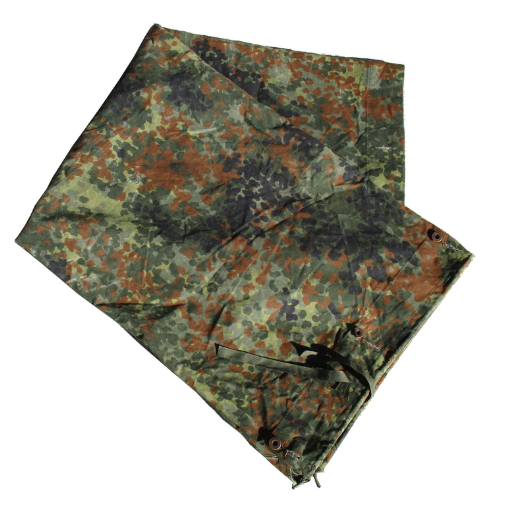
Reinforcing a heavy-duty waterproof tarp cover comes with its list of requirements that, if done properly, will increase its durability and enhance its waterproof capabilities. First of all, follow all instructions if you want to gain the desired result. Along with the basic grommet placements, also add plastic or metal grommet reinforcers to avoid ripping due to strain. Pest control tape can be used for the edges and corners, along with duct tape which is also known to be weak. Additional strength can be gained by sewing on webbing or reinforcing with fabric patches using stress point patches. An added strength while the tarp is being used in extreme conditions adds reliability on wear and tare checks that need to be fixed with adhesive or repair kits.
Identifying Weak Points in Your Tarp
To keep constant tabs on wear and tear of the tarp while it is being used in extreme conditions, I thoroughly check all seams, edges, and even grommets yourself to keep a close monitor on if the grommets tend to get worn out due to heavy exposure to the sun and wind. Along with this, add keeping an eye for holes, thin fabric, and stitches that can catch on bunched-up material due to constant movement. Keeping track of damage and tension areas should make sure that buckets, along with it, will and without a doubt. Having the tarp set up around the clock for a maintenance check makes a huge difference in the tarp’s life span.
Techniques for Strengthening Tarp Eyelets and Seams
- Reinforce Eyelets
- Replace grommets and eyelets that are weak with more robust alternatives like steel grommets or heavy-duty plastic eyelets. With most tarps, the size-matched eyelets are \”s and \”s.
- Apply backing material, such as vinyl or nylon patches, to the eyelet holes to evenly distribute the pressure.
- Grommet installation can be made easier by pre-arming eyelet holes with double-layered tarp material for added reinforcement.
- Strengthen Seams
- Using a heavy duty UV resistant tarp repair tape or adhesive, reseal the seams and make sure the edges overlap the seam by at least an inch on each side.
- When sewing the seam use a polyester or nylon outdoor thread in a stitch 4-6 inches per inch. For adding durability to the tarp use threads with more strength. Lastly, apply seam sealant for waterproof tarps to increase longevity and prevent water from penetrating.
- Reinforcement Material Suggestions
- For reinforcing stress areas like edges and points of high tension, polymer-coated webbing or nylon straps can be used.
- Use bound tape or double-stitched edge reinforcements and tighter stitches to reduce the possibility of the fabric fraying.
- Regular Maintenance
- At intervals, check for wear and damage and reapply sealants and tape to maintain strength.
- Store the tarp when not in use to avoid prolonged exposure to direct sunlight to prevent UV damage.
Following these methods along with the specified materials and these parameters greatly improve the lifespan and functionality of tarp eyelets and seams.
Best Practices for Long-Term Care of Your Heavy-Duty Tarp
It’s always best to maintain the tarp with regular and appropriate cleaning. In my case, I wash my tarp with mild soap and water, as I avoid using any harsh cleaning chemicals which could cause damage to the tarp. Storing the tarp in a sheltered environment goes a long way to prevent mold or mildew. Whenever possible, I store my tarp in a clean and dry spot, neatly folded to avoid wear and tear.
In addition, I perform regular inspections. Anytime I come across tears or eyelets that have come off, I quickly fix them using strong adhesive patches. For desired results, I ensure that the tarp has been securely tied down to avoid grommet stress, but never overstretched to prevent strain on grommets. The following technical prerequisites are critical:
- UV Inhibitors: The tarp has been equipped with sun endurance extenders, which are of great assistance.
- Material Thickness: No need to worry about ultra thick tarps as the greatest they come is 10 to 12 mils which are perfect for heavy duties.
- Grommet Spacing: Spaced tarps definitely stand heavier loads without risking any shred damage, guarantees more than 18 to 36 inch grommet spacing.
It is these techniques that assist with tackling tough weather while ensuring my tarp is not damaged under pressure.
References
- British Army Surplus DPM Camo Basha Tarp – Military Kit – Discusses the tarp’s versatility as a shelter, groundsheet, or stretcher.
- Web-tex British Army Basha – Black Scout Survival – Highlights the lightweight design and practical uses of the tarp in military and outdoor settings.
- Fieldcraft – British Basha Shelter or Similar – Sniper’s Hide – Explores the tarp’s application in camping and survival scenarios.
Frequently Asked Questions (FAQ)
Q: What makes the British Army Tarp an ideal hammock rain fly, tent tarp?
A: The British Army Tarp is highly versatile and durable, making it an excellent choice for a hammock, rain fly tent tarp. It’s waterproof and heavy-duty tarpaulin material ensures protection against the elements, while its lightweight design allows for easy portability and setup.
Q: How can the tarp be used as a ground sheet?
A: The tarp can be effectively used as a ground sheet by laying it flat on the ground to create a waterproof barrier. This helps keep moisture and dirt away, making it ideal for camping or picnicking. Its durable material ensures long-lasting performance.
Q: What are the benefits of using a tarp army-style shelter?
A: A tarp army style shelter is robust, providing reliable protection in various weather conditions. It’s designed for quick setup and can be configured in multiple ways to suit different environments, making it a versatile choice for outdoor enthusiasts.
Q: Is the tarpaulin tarp waterproof and heavy-duty?
A: Yes, the tarpaulin tarp is both waterproof and heavy-duty. This ensures it can withstand harsh weather conditions, keeping you dry and protected during camping, military, hunting, or shooting activities.
Q: Can the tarp be used as a poncho?
A: While the tarp is primarily designed for shelter, it can be adapted as a makeshift poncho in emergencies. However, for regular use, a dedicated poncho is recommended for a better fit and comfort.
Q: What is the advantage of using tarp poles with the British Army Tarp?
A: Using tarp poles with the British Army Tarp allows for increased versatility in setting up your shelter. Poles provide structure and height, enabling you to create a more spacious and stable shelter, ideal for camping or military operations.
Q: How does the green waterproof heavy-duty tarpaulin compare to other tarps?
A: The green waterproof heavy-duty tarpaulin is specifically designed for durability and weather resistance, making it superior to many standard tarps. Its heavy-duty construction ensures it can handle tough conditions, while its green color helps it blend into natural environments.
Q: What sizes are available for the tarpaulin portable sunshade, lightweight, waterproof?
A: The tarpaulin portable sunshade is lightweight, waterproof, is available in multiple sizes to accommodate different needs, whether for camping, hiking, or providing a sunshade. This flexibility ensures you can find the right fit for your specific outdoor activities.
Q: Can the tarp be used in conjunction with a camo net?
A: Yes, the tarp can be used with a camo net to create a concealed and protected area for military, hunting, or shooting activities. This combination enhances stealth and provides additional coverage and protection from the elements.