Adding a pool in your backyard can be a great escape from the summer sun and an excellent addition to any outdoor space. Though having a calm, relaxing space for friends and family may sound appealing, consider the pool’s base, as it is essential. One question many pool owners have is if a tarp is needed under the pool, and if so, how do you pick the right one? This post aims to answer such questions by examining why tarps are required, their benefits, and the most critical factors you must remember while picking the perfect tarp for your pool. Hopefully, by the end of the post, you will know what steps you need to take to protect your pool and extend its longevity.
Why Do You Need a Tarp Under Your Pool?

When placed beneath a pool, a tarp can protect the liner from damage while adding buoyancy to swimmers. It also aids in avoiding cuts and scrapes caused by sharp debris, such as rocks and roots. Moreover, a tarp can also prevent mold or mildew by reducing moisture contact with soil. Overall, tarp usage is a low-cost solution for increasing a pool’s life expectancy and eliminating user harm.
Protecting the Pool Liner from Damage
If you do not take the time to protect your pool liner, you may have to repair it way more than you would like to and need more effort into maintenance. To avoid this, ensure you have a high-quality tarp or pool pad to serve as a barrier between sharp strands and the base liner to minimize the chances of puncturing. Regularly remove any debris around the pool and check the protective layer and the pool liner for damage. Furthermore, as long as imbalanced chemicals are not an issue, the liner will remain in excellent condition for a long time.
Extending the Life of Your Pool
Taking good care of your pool while preventing problems before they occur will significantly increase its life expectancy. These ideas are drawn :
- Make Sure to Balance Water Chemistry
Make it a habit to check and balance water chemistry regularly. If neglected, corrosion and scaling will damage the pool surfaces and equipment. Essential factors to consider:
- pH: Needs to be between 7.2 and 7.6.
- Alkalinity: 80-120 ppm is targeted.
- Chlorine Levels: 1-3 ppm range.
- Calcium Hardness: Scaling or etching are avoided at 200-400 ppm.`
- Maintain Proper Cleaning and Water Circulation
Skim debris from the surface, brush pool walls weekly, and vacuum the pool floor as needed. Contaminants are more challenging to remove without proper circulation. Ensure your filter system performs efficiently and backwash or clean filters as the manufacturer directs.
- Safeguard Your Pool Liner
Use a premium-grade cover to protect the liner from degrading UV rays when the pool is not used. Using inappropriate cleaning tools makes scratching or weakening the liner material easier. Moreover, a ground barrier, such as a pool pad, can prevent the liner from being punctured by objects lying under the pool.
- Prevent Winter Freezing
Cover your pool with a sturdy cover for cold weather regions, lower the water level, and put antifreeze on the plumbing. This prevents the structure and plumbing from being damaged by a freeze.
- Consistent Inspecting and Repairing
Routinely check for leaking, tears in the liner, and worn-out seals. When needed, repairs can prevent the further development of small problems. If the grout or tiles in the design have cracks or wear over time, they will need addressing.
If you keep track of relevant technical numbers, following these maintenance suggestions can ensure that your pool stays in good shape and can be enjoyed for many seasons.
Avoiding Puncture and Tears
When I finish the pool accessories, I set them so they do not tear or puncture the liner. For the other tools, like brushes and vacuums, make sure no parts of those tools contain sharp edges that could inflict damage. Avoid letting pets with sharp claws roam freely, and refrain from dragging rigid items over the liner too much. If you notice any weak points or tiny tears, it would be in your best interest to sew them up right away so they don’t become a more significant issue later on.
How to Choose the Best Tarps for Your Pool
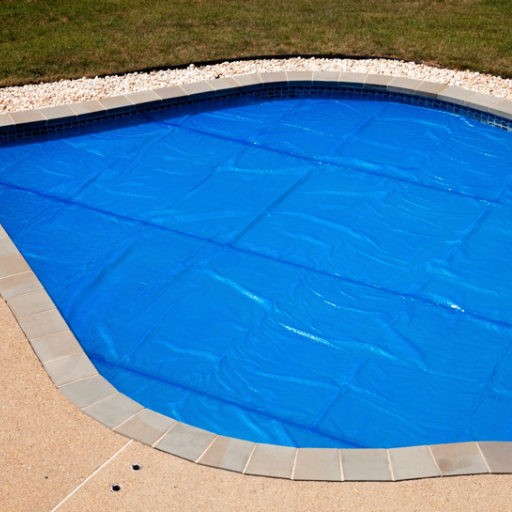
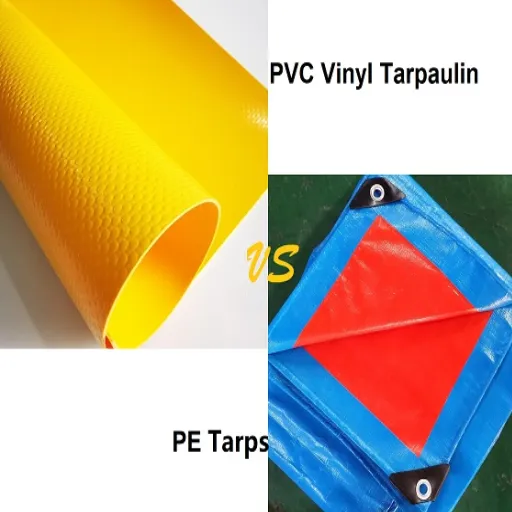
To select a pool tarp, consider its size, durability, and material. Look for heavy-duty polyethylene or vinyl for maximum protection against tearing, harsh weather, and UV rays. Additionally, the tarp must be large enough to cover the pool and allow for secure side fastening. Tarps with reinforced edges and grommets also provide better ease of use and longevity. For people who live in areas with extreme weather, these are the conditions for which the tarp should be built. Picking the right tarp for your pool can prevent unnecessary upkeep, so investing in a quality tarp is always good.
Understanding Heavy-Duty Options
When understanding heavy-duty options for pool tarps, I suggest concentrating on materials such as polyethylene or vinyl for their long-lasting and weather-resistant qualities. Try to find tarps with a very high denier rating (typically 1200D or above), which means the fabric is thicker and more durable. A thickness of 10-20 mil is ideal for heavy-duty use, while coatings for UV resistance are crucial for long-term sun exposure. Also, look for reinforced edges and spaced rust-proof grommets of 18-36 inches to ensure secure fastening. These features allow the tarp to endure extreme weather conditions while protecting the pool. Purchasing a tarp of such parameters will help cut maintenance costs and increase the pool’s lifespan.
Determining the Right Size Tarp
Start by measuring your pool, which is the most critical part of determining what size tarp will work. Begin by measuring the width and length of the pool, adding an extra 2-3 feet to make fastening for straps much easier. If your pool is an unusual shape, use the width and length for the longest and most expansive sides. Relevant measurements and other parameters include:
- Material Thickness: A tarp minimum thickness of 10-12 mils guarantees leverage and strength.
- Grommet Spacing: Grommets at 18-36 inches are more straightforward to attach.
- Overhang Size: Including 2-3 feet overlap at the bottom aids effectiveness.
- Weight Rating: Heavy enough to remain in one position when the wind blows, yet light enough for easy handling to be ideal.
Check these measurements for maximum protection, convenience, and an accurate fit.
Materials for Pool Tarp and Ground Cloth
When I choose materials for a pool tarp and ground cloth, my main focus is water resistance, ease of use, and overall durability. I go with heavy-duty polyethylene or vinyl for the tarp because both waterproof materials are long-lasting. A 10-12 mils thickness helps take the beating from wearing and tearing. I also ensure the tarp has UV protection to prevent it from degrading due to sunlight exposure. I prefer reinforced fabric or polypropylene for the ground cloth because these protect the pool liner while providing a strong barrier against abrasions. I also check for appropriately spaced grommets (around 18-36 inches apart) for easy anchoring and adequately overhang (2-3 feet) the grommets to ensure proper coverage.
What Mistakes to Avoid When You Install a Tarp?

As you go about installing a tarp, make sure to avoid these blunders:
- Incorrect Sizing: Tarp selection requires careful consideration of both height and width. Coverage will not be sufficient if one selects a tarp smaller than necessary, and if a tarp larger than needed is selected, it is bound to move unnecessarily. Always pre-measure the area before choosing a tarp.
- Poor Anchoring: Anchor use is critical, and failing to do so may result in the tarp being blown away. In any case, at least an adequate number of tie-down points should be used to ensure better anchoring.
- Ignoring Tension: Not all stretchable materials need to be taut. Leaving the tarp flabby or too stretched will cause damage over time, so having some tuned balance tends to be necessary.
- Overlooking Drainage: In the absence of adequate flow for removal, pulling can lead to mass collection due to the negative tilt. Therefore, without proper planning, all these problems can lead to draining mass collection, which adds strain to the tarp and diminishes durability.
- Skipping Material Checks: There is an experienced reason why all materials need to be checked out. If a tarp not resistant to ole’s color is used and relied on, it will frustrate them when they decay. Therefore, all of these harsh weather-suited tarps need to be checked out.
Leveling the Ground Pool Correctly
Our concern starts with the safety risks posed by an unlevel pool foundation and the added pressure on the structure that could lead to deformity or damage. Begin with a flat section and clear the area of vegetation, stones, and any other debris. A long, flat piece of wood, like a 2×4, is placed on the ground, and a level is used to identify where it becomes uneven. Unless significant amounts of soil need to be moved, scraping soil off is better than adding more fill dirt.
When establishing an even surface for the pool area, use a tamper to compact the ground. Once the area is even, lay down a sandbed or opt for a pre-made pool pad to offer an additional cushion while protecting the liner. Make sure to check the freshly placed pad at different angles for the degree of levelness before finally double-checking it after the pool has been set to verify accuracy and longevity.
Ensuring the Tarp for Your Pool is Secure
To guarantee that your tarp is secure and in place, the first step starts by picking a tarp that is the right size for your pool. It should cover the pool area and go at least 1-2 feet beyond the pool’s edge so that it can be secured properly. Use sturdy grommets, heavy-duty rope, or bungee cords to secure the tarp to the anchors or the ground. Put weights around the edges of sandbags evenly so that the tarp is secured and cannot easily be blown away by the wind. Make sure that the tarp is made from a long-lasting material that is water-resistant, UV-stabilized, and can withstand the weather. For best results, make the necessary adjustments on the tarp by checking it for damaged areas or loosened ties to increase its effectiveness.
Avoiding Inadequate Pool Base Preparation
Proper pool base preparation ensures that your pool maintains its usability over a long period. Ignoring these steps may result in water leaking, unnaturally curved surfaces, or even structure damage. Keeping this in mind, here are some pointers to remember so that you do not perform inadequate pool base preparation:
- Choose the Right Location
Select an area that is well-maintained and clear of debris, tree roots, rocks, and other items. Additionally, ensure that the selected ground is at least 200 feet away from your septic systems, underground utilities, or water lines.
- Ensure Ground Leveling
Check for unlevel areas, as they can cause undue stress on the pool structure. One way to measure these discrepancies is to use a level board, a straight board, or a laser level to examine for inconsistencies. Ideally, the area should not change more than 1 inch in 10 feet of distance.
- Use Proper Base Materials
Typical base materials for above-ground pools include pool-grade sand, foam boards, or crushed stone dust. If you select pool-grade sand, make sure that its grains are tiny and uniform. For some unexpected reason, check whether foam boards contain pollutants. A concrete layer is required for in-ground pool installations. Depending on your pool, at least 4 inches of concrete thickness is suggested for easy use.
- Compact the Surface
A tamper or plate compactor is used to compact the base material securely and, in turn, allow position control. A tight-packed foundation is essential for reducing movement, sinking, or bulging after installation.
- Add an Extra Level for Pool Liner Protection
Ensure that the base and liner are protected with a good quality pool pad or geotextile fabric under the liner. This layer reduces the chance of sharp objects making scratches or cuts.
- Considerations in Drainage
Incorporate proper drainage methods to prevent water from pooling near or under the pool’s perimeter. Make sure the vicinity is slightly graded to aid in directing the water flow away from the pool and install a drainage pipe system if needed.
Following these instructions is essential in creating a strong base for your swimming pool and minimizing the chances of expensive repairs in the future. Always double-check information from credible sources or contact an expert for tailored professional help regarding pool installation.
How to Properly Put the Tarp Under Your Pool?

To place the tarp beneath the pool, I first have to clean out the area of any debris like dirt, fasteners, sharp objects, or stones. This step is necessary to ensure the tarp is not damaged. After I complete the clearing step, I make the tarp lay flat evenly across the area. When setting up the pool, I smooth out any creases that would lead to bumps underneath the pool. After pulling the tarp, I set the pool on top and adjusted it to encircle it for added stability.
Steps to Lay the Pool Ground Cloth
- Protect the Area
First, clear the area where the pool will be set up. Remove all rubbish, such as piles of stones, sharp edges, and any other items that could create a hazard to the ground cloth or pool. Tip: Use a broom or rake for an extremely smooth edge.
- Get the Ground Ready
Make sure that the surface is flat. If the ground is sloped, water will not be balanced, and accumulation will cause the pool to collapse. A convenient way to level it is by using a long plank on top of the ground; additional adjustments are needed if the plank slopes while lying on the ground.
- Place the tarp or ground Cloth.
Position the pool ground tarp on a clean surface and ensure no drapes or buns could result in folds. The tarp should be slightly larger than the pool base dimensions so it can provide a barrier.
For example, for a 12 ft (3.66 m) pool, put at least a 14 ft (4.27 m) diameter tarp.
- Refinish the Ready Edges
Move the tarp to go a few inches past the pool edges. This will prevent dirt or grass from entering the pool base. Turd the tarp upright with the help of anchors or weights, more so when it is windy.
- Position the Pool on the Tarp
Ensure that the pool is centrally placed on the ground cloth and is not off-centered. Flatten any leftover creases or lumps below the pool so that the base is as settled and smooth as possible.
After following these steps, your pool will be much more secure and safe to use for a long period.
Securing the Tarp Under Your Pool Efficiently
These important guidelines will help you secure a tarp underneath your pool:
- Double Check The Alignment
Before the pool is installed, place the tarp on a flat, level area and ensure everything is aligned correctly to cover the intended location uniformly. For soil erosion prevention and surrounding ground protection of the pool, ensure the tarp extends at least 12-18 inches beyond the pool’s edge.
- Stabilize The Tarp Using Sandbags Or Heavy Weights
In the event of wind, anchor the edges of the tarp with heavy-duty weights or stakes. If stakes are to be used, ensure that they can be fixed into the ground effortlessly and that the gaps between the stakes are around 2-3 feet. If using weights, choose heavy blocks or sandbags and place them around the borders to avoid movement and bunching of the tarp, which could worsen the situation.
- Do The Final Touch-Ups
A broom or any flat surfaced object will work effictively on the uneven surfaces that must be smoothed out in the pool taper. It would help combat the instability that puts the pool’s structure tighter at risk.
- Choose a Tarp Material that will last long.
Heavy-duty tarps made of polyethylene or reinforced PVC should always be preferred. These are tear-resistant, water-resistant, and UV-resistant, so they are guaranteed to last. We recommend a tarp thickness of 10–20 mils if you are building a ground pool.
- Additional Padding for Increased Protection
To increase cushioning, you may put insulation foam boards or a pool pad beneath the tarp before applying the pool. These pads could shield the pool liner from sharp objects or small rocks, thus improving pool comfort.
These methods and choosing quality materials will enable the construction of a durable and rigid base that is comfortable for the pool setup, minimizes wear and tear, and enhances the comfort of the setup.
What are the Benefits of Using a Pool Tarp and Ground Cloth?

Using a combination of a pool tarp and a ground cloth comes with bountiful benefits. First, they are both integral protective layers for the liner, ensuring it is not damaged by sharp objects like rocks or debris that can cause a tear or wear. Second, these materials capture moisture, reduce evaporation, and can act as a lid, preventing leaves and dirt from accumulating in the pool, thus making maintenance much more manageable. A ground cloth also acts as extra cushioning, giving the pool base more comfort. All in all, it can be said that using a pool tarp and ground cloth increases your pool’s durability, cleanliness, and usability.
Improving Pool Maintenance and Cleanliness
I always use a pool tarp and ground cloth to enhance cleanliness and pool maintenance. They ensure that the pool liner is kept safe while lessening moisture and helping keep dirt and leaves out of the pool. Another critical step is to regularly skim the water’s surface and vacuum the bottom of the pool while also taking care of proper chemical levels. With aid from sufficient filtration, a predetermined cleaning schedule also supports the prevention of algae growth and makes it easy to keep the pool in top condition.
Enhancing the Lifespan of the Pool
Multiple steps must be carried out regularly and diligently to prolong the life of the pool. These operate by maintaining the proper chemical balance, ensuring the pool’s structure is intact, and routinely controlling … equipment performance. Key technical parameters to consider are:
- pH Levels: Prevent corrosion and scaling within the pool by maintaining a pH of 7.2-7.8.
- Chlorine Levels: The ideal chlorine level is 1-3 ppm, sanitizing water while preventing pool surface damage.
- Water Hardness: A calcium hardness between 200 and 400 ppm helps prevent the pool liner from etching or scaling.
- Total Alkalinity: Water’s total alkalinity between 80 and 120 ppm is crucial for stabilizing the pH region optimal for chemical operation.
- Filtration System: The pump and filter must function effectively every 1 – 5 years, depending on the filter, so the filter media needs to be cleaned or replaced.
- Surface Maintenance: Inspecting and repairing damages to the pool surface from time to time prolongs the pool’s structural soundness.
Following these instructions for routine maintenance and setting additional parameters can significantly enhance the pool’s safety, ease of use, and life.
Adapting to Weather Conditions
To achieve the best quality and functionality of my pool during different weather seasons, it is important to adjust accordingly. In colder climates, I utilize a durable pool cover. As a consideration for winterizing, I lower the water level, add antifreeze to the pipes, and periodically filter the system to prevent freezing damage. I pay close attention to the water levels during higher temperature seasons because evaporation increases. I must alter the chemical balance more frequently to halt algae growth due to higher temperatures. After heavy rainfall, I check the pH and chlorine levels of the pool along with the debris to ensure they stay within optimal ranges (pH 7.2-7.8, chlorine 1-3ppm). By putting my weather-related challenges into context quickly and logically, my pool stays in good condition all year round.
References
- Reddit discussion on above ground pool ground cloth vs tarp – A community discussion with practical advice and experiences.
- Trouble Free Pool forum thread on tarp for Intex pools – Insights on using tarps and additional layers for pool setups.
- Walmart’s selection of under-pool tarps – Various tarp options with specifications and reviews.
Frequently Asked Questions (FAQ)
Q: Why do pool owners need a tarp under their swimming pool?
A: Using a tarp under your swimming pool helps protect the pool bottom from sharp objects, prevents wear and tear, and provides an extra cushioning layer, ensuring that your pool lasts longer and stays in good condition.
Q: What are the benefits of using a heavy-duty tarp under an above-ground pool?
A: A heavy-duty tarp offers durability and protection against abrasive ground surfaces. It keeps your pool clean by preventing dirt and debris from entering and provides UV resistance to protect it from direct sunlight damage.
Q: How does tarp selection impact the longevity of your pool?
A: Tarp selection is crucial because a suitable tarp can protect your pool from environmental factors, help maintain the integrity of the pool bottom, and reduce the risk of damage from elements such as sharp objects and moisture.
Q: What type of tarp is best for an Intex above-ground pool?
A: Heavy-duty polyethylene tarps are recommended for Intex above-ground pools due to their durability, UV resistance, and ability to provide a solid ground cover that protects the pool floor.
Q: How should pool owners use a tarp to protect their pool area?
A: Pool owners should select a tarp larger than the pool area, lay it evenly across the ground before pool setup, and ensure it covers the entire bottom of the pool to effectively protect their pool from ground elements.
Q: Can a tarp prevent pool water from seeping into the ground?
A: While a tarp can provide a barrier, it is primarily designed to protect the pool from external elements rather than prevent pool water from entering the ground. For water prevention, ensure your pool liner is installed correctly and maintained.
Q: Is a heavy-duty poly tarp necessary for all pool setups?
A: A heavy-duty poly tarp is especially recommended for above-ground pools on rough or uneven surfaces. It offers excellent protection against abrasions and supports the pool structure, enhancing the overall stability of the pool setup.
Q: How can a tarp help maintain the cleanliness of your pool?
A: A tarp acts as a ground cover, preventing dirt, grass, and other debris from entering the pool. This keeps the pool cleaner and reduces the frequency of maintenance required during the swimming season.
Q: What additional measures can pool owners take besides using a tarp?
A: In addition to using a tarp, pool owners can invest in pool liner pads for extra cushioning, regularly check for sharp objects in the pool area, and use a pool cover when the pool is not in use to protect your pool further.